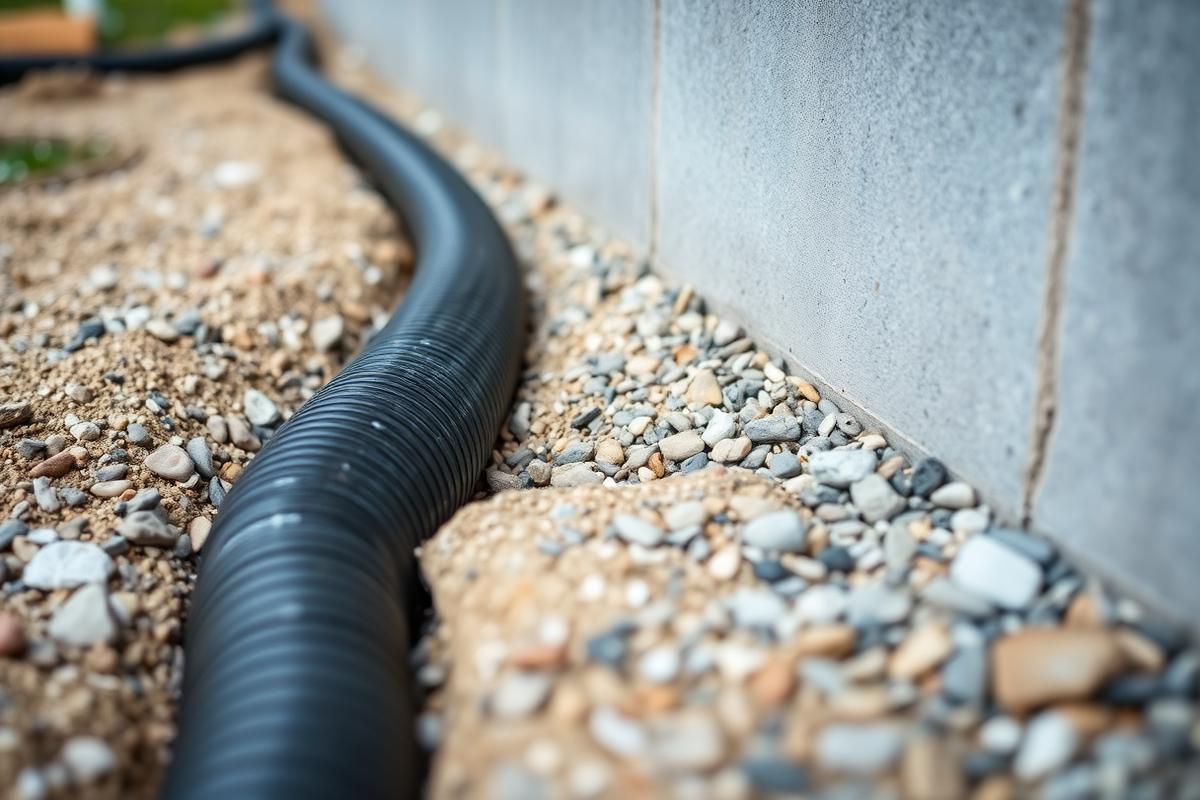
Urgent
A blocked line has no reserve capacity. The next major storm is when it shows up inside.
Signs you have this problem
- Downspouts backing up or overflowing at ground level
- Standing water visible in a cleanout
- Gurgling or slow drainage sounds during rain
- Soggy soil along one side of the house
- Basement dampness that gets worse each winter
What usually causes it
Silt and sediment build-up
Fine soil washes into the pipe through the drain rock over decades until the invert is half full and flow capacity collapses.
Tree and shrub roots
Cedar, maple and laurel roots find joints and perforations, then grow into a mat that catches everything passing through. Very common on older Vancouver and Burnaby lots.
Crushed or offset pipe
Clay and concrete tile cracks under settling soil or machinery. Once a section offsets, debris packs in and jetting cannot restore it.
How it gets fixed
1. Camera inspection with locating
The camera confirms whether the blockage is soft debris or structural, and the locator marks where the problem sits so any excavation is precise and minimal.
2. Hydro-jetting and root cutting
High-pressure jetting scours silt out to the pipe wall and mechanical cutters clear root intrusion, restoring the line's full diameter when the pipe is intact.
3. Spot repair of failed sections
Where the camera shows crushed pipe, that run alone is excavated and replaced with new perforated pipe, filter fabric and clean drain rock.
4. Maintenance and cleanouts
Adding accessible cleanouts and scheduling periodic flushing keeps the system serviceable instead of letting it silt up again unnoticed.
Clogged Perimeter Drains — related work on site
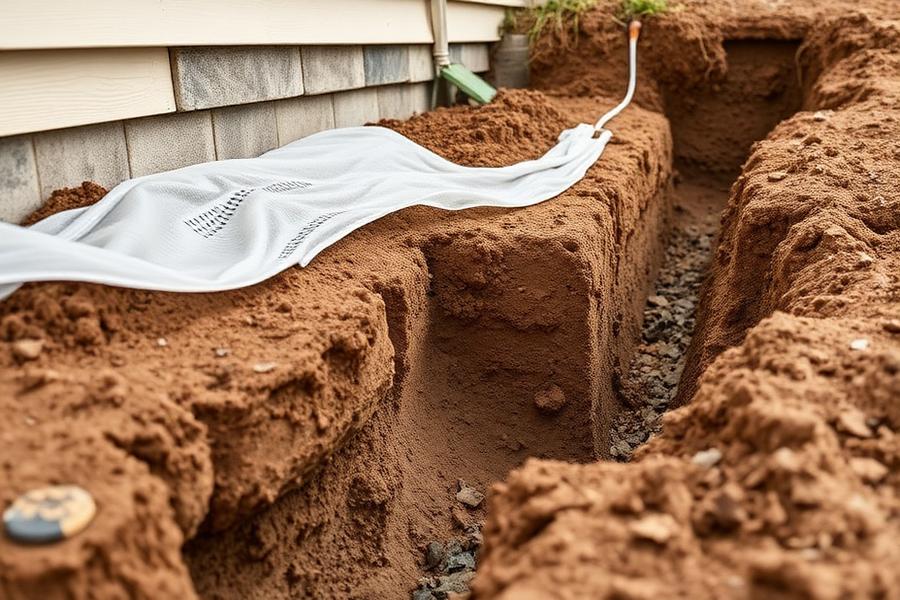
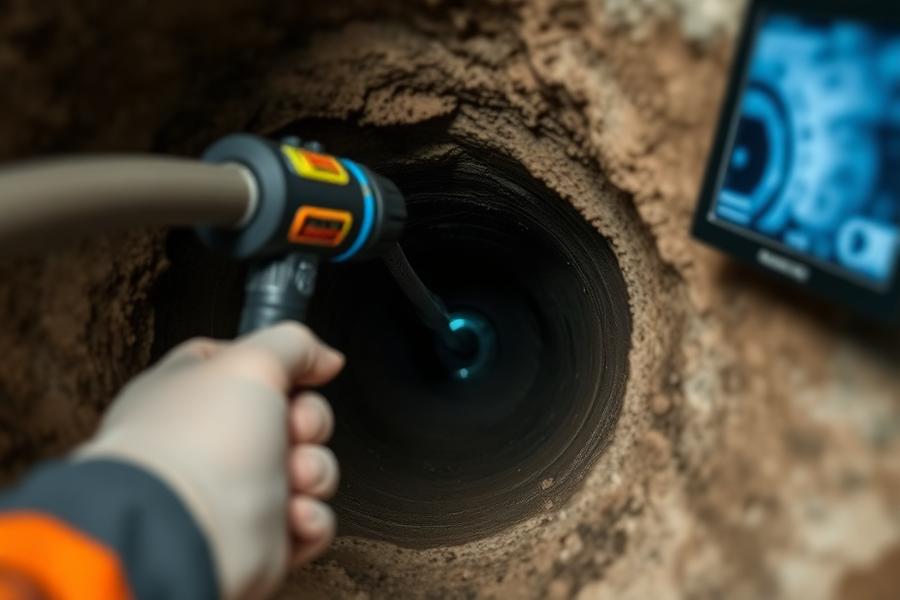
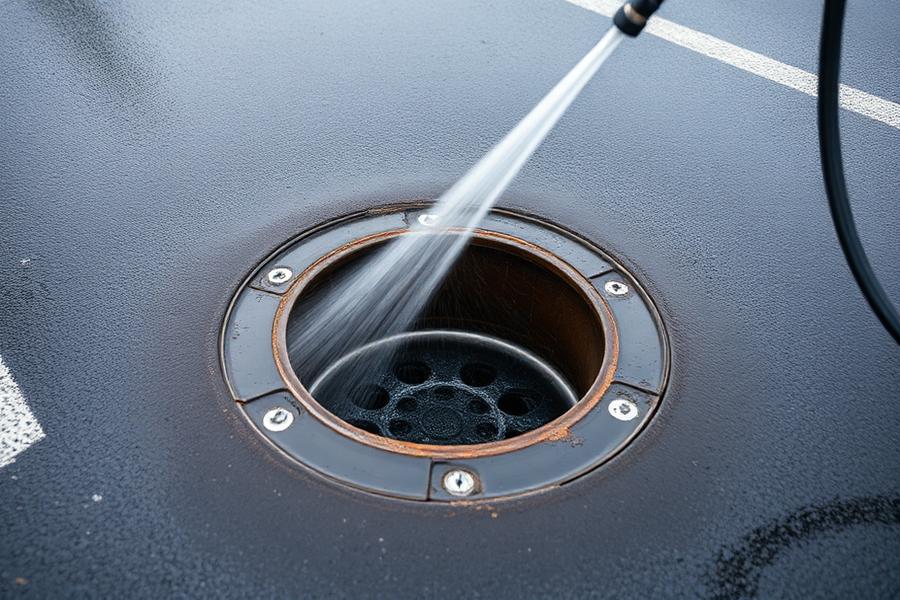
Clogged Perimeter Drains — before and after
Real examples of the problem and the finished result after the work is done.
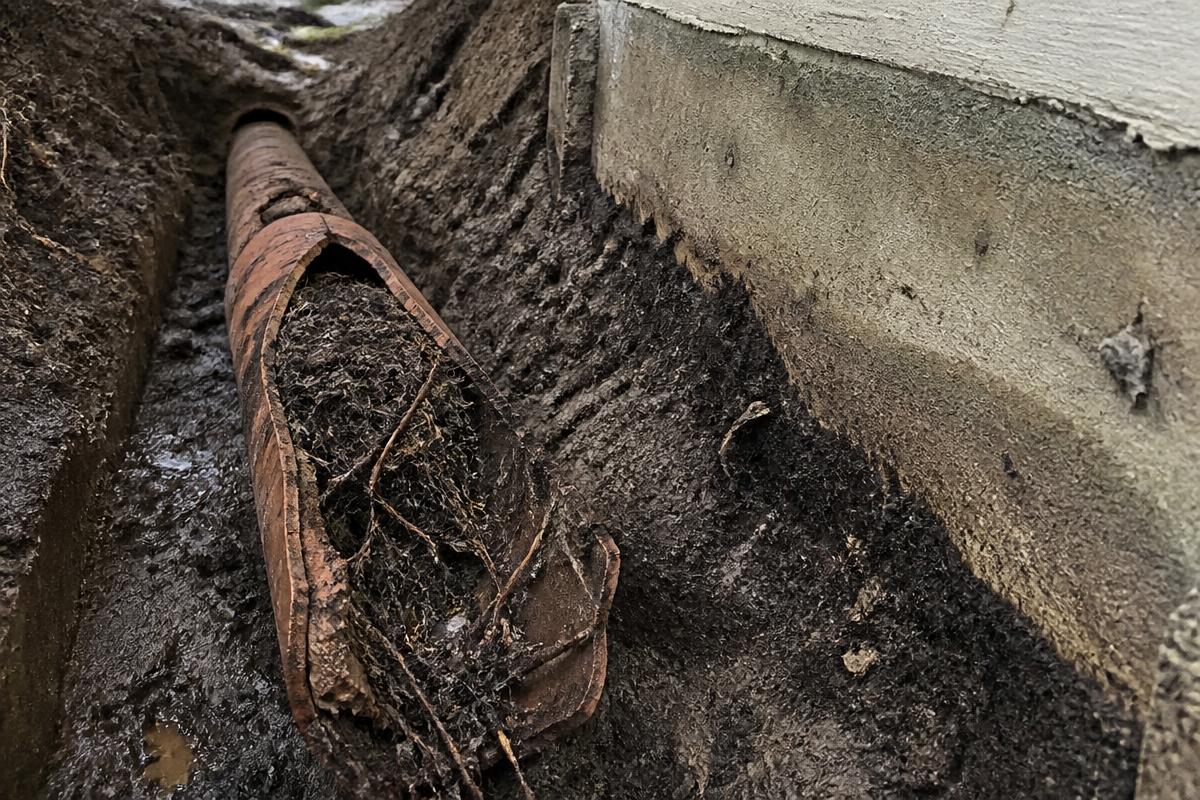 before
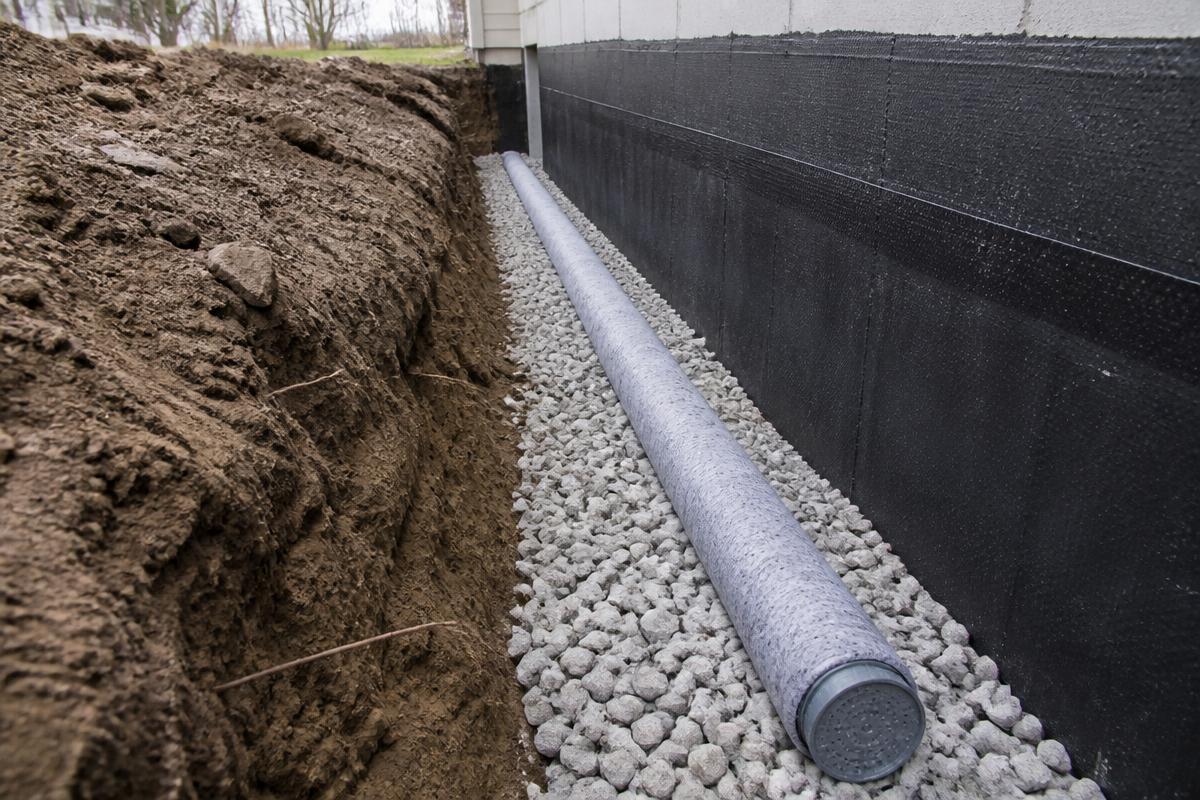 after
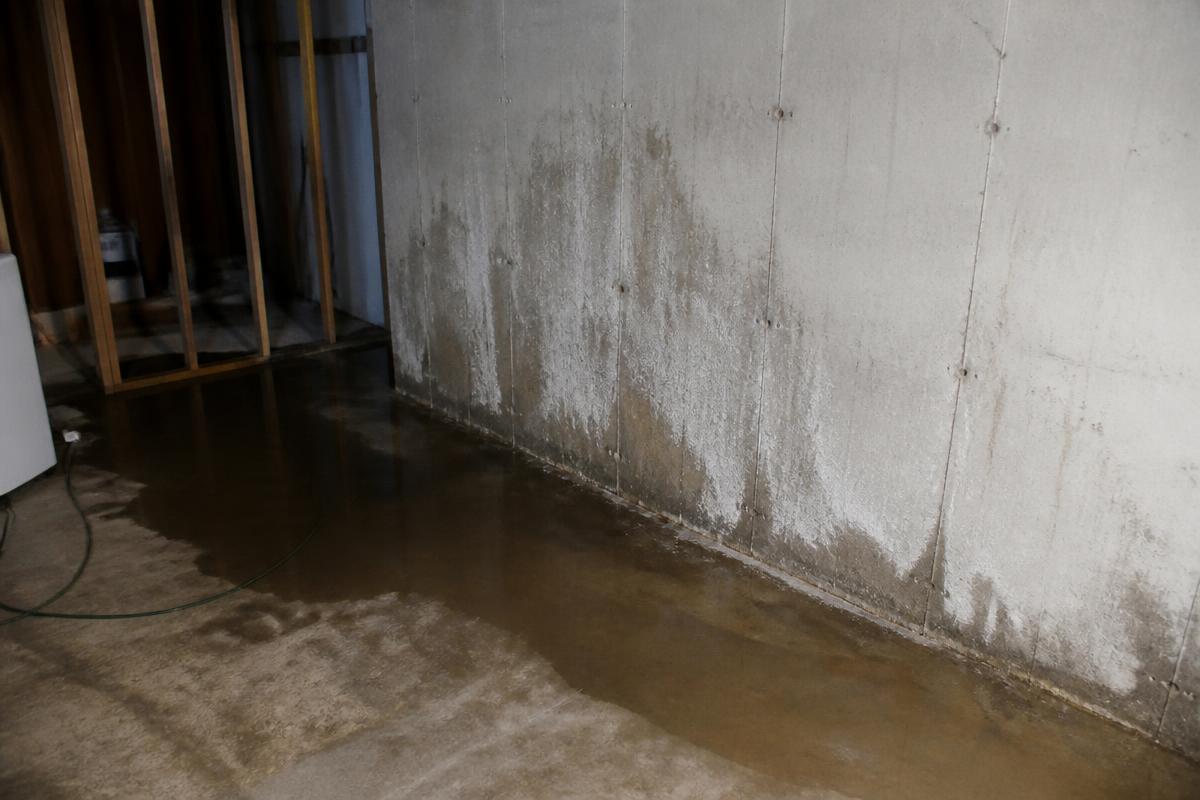 before
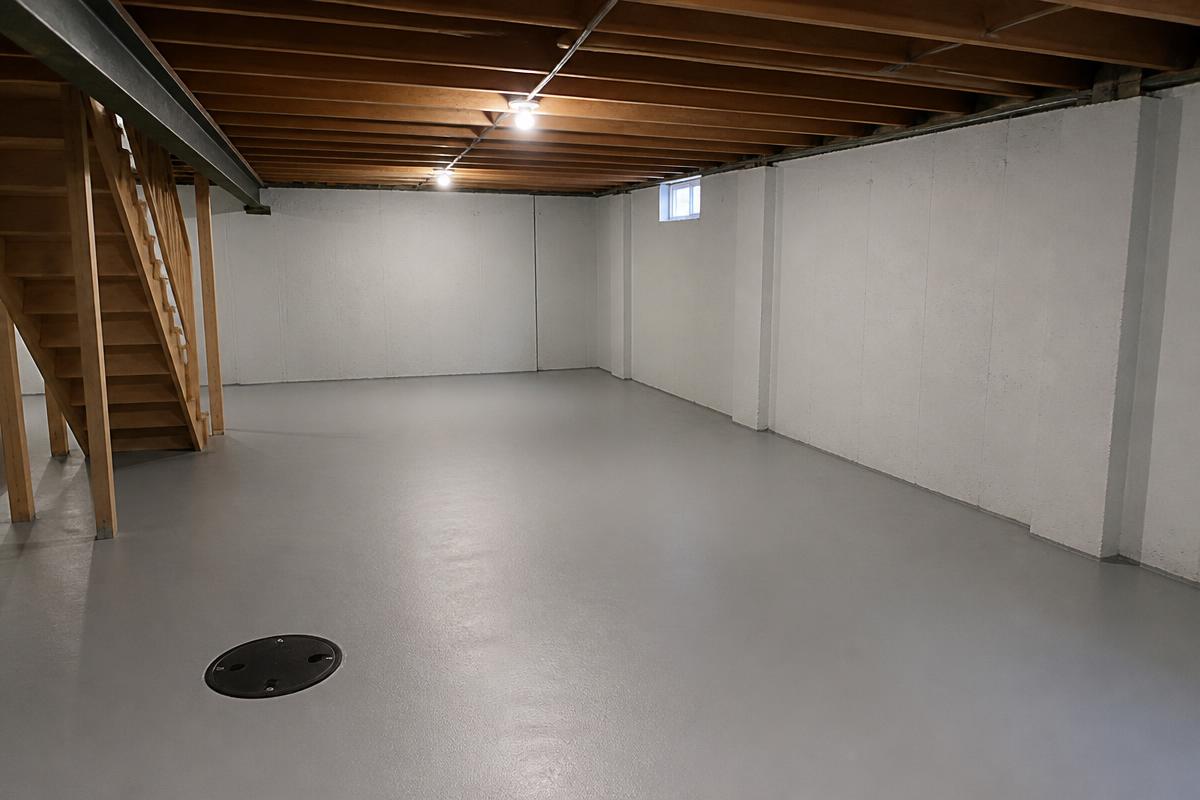 after
How a working drainage system protects a home
Services that solve this
Clogged Perimeter Drains — quick answer
A clogged perimeter drain is a footing drain blocked by silt, tree roots or a crushed section, so groundwater can no longer escape. It is confirmed with a camera inspection and usually cleared by hydro-jetting and root cutting; where the camera shows collapsed or offset pipe, that section is dug up and replaced instead.
Key facts
- Silt and sediment build-up: Fine soil washes into the pipe through the drain rock over decades until the invert is half full and flow capacity collapses.
- Tree and shrub roots: Cedar, maple and laurel roots find joints and perforations, then grow into a mat that catches everything passing through. Very common on older Vancouver and Burnaby lots.
- Crushed or offset pipe: Clay and concrete tile cracks under settling soil or machinery. Once a section offsets, debris packs in and jetting cannot restore it.
- DRYHOMEBC covers 14 Lower Mainland and Fraser Valley cities: Vancouver, Burnaby, New Westminster, Richmond, Surrey, Delta, White Rock, Coquitlam, Port Coquitlam, Port Moody, Maple Ridge, Langley, Abbotsford and Chilliwack.
- Quotes are free and carry no obligation.
Clogged Perimeter Drains FAQs
How often should perimeter drains be cleaned?
In the Lower Mainland, every three to five years is typical, and more often on lots with mature cedars, maples or laurel hedging near the foundation.
Can a clogged perimeter drain be cleared without digging?
Usually yes. If the camera shows intact pipe, hydro-jetting and root cutting through the cleanouts clears it with no excavation. Digging is only needed where the pipe itself has failed.
How do I know if it needs cleaning or replacing?
The camera footage decides it. Soft blockage in sound pipe means cleaning. Cracked, offset, collapsed or original clay tile with root intrusion throughout means replacement is the better value.
Request a Free Quote
Tell us what you are seeing and we'll pass your clogged perimeter drains request to contractors serving your area.
- 1. Problem›
- 2. Timing›
- 3. Property›
- 4. Photos›
- 5. Contact
What problem are you experiencing?