Plan ahead
Best scheduled in a drier stretch, when trenching and restoration go in cleanly.
Signs you have this problem
- Puddles that remain more than a day after rain
- Squelching, spongy lawn underfoot through winter
- Moss taking over grass, or patches of dead turf
- Silt lines showing where water sits and recedes
- Water flowing across the yard from a neighbouring lot
What usually causes it
Clay and compacted soil
Surrey, Langley, Delta and Richmond have heavy soils with very low percolation. Once saturated, water simply sits on the surface.
No fall and no outlet
A flat or dished yard with nowhere to discharge collects everything the roof and hardscaping shed.
High water table
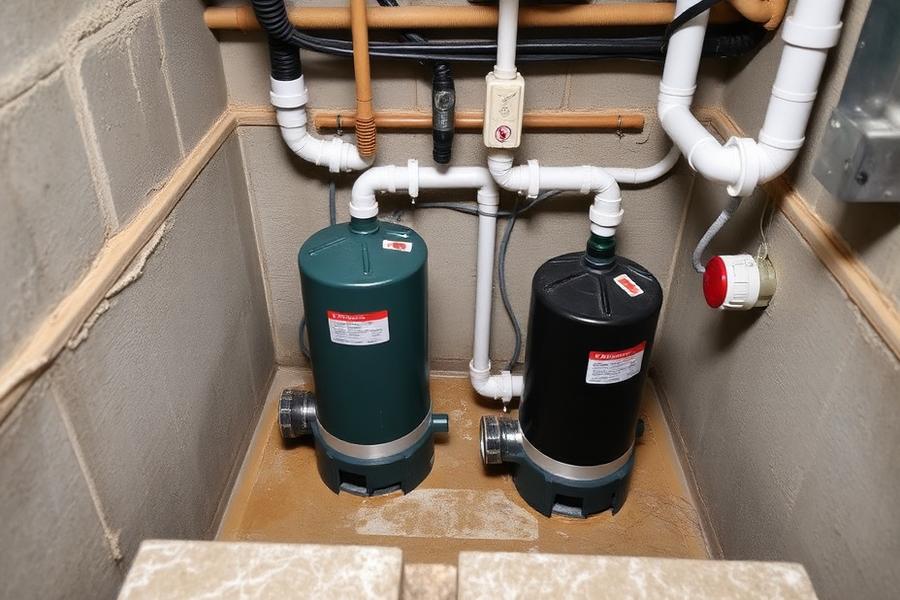
On low-lying lots in Richmond, Delta and Pitt Meadows, groundwater sits close to the surface and gravity discharge is not always possible — a pumped system is needed.
How it gets fixed
1. Map where the water goes
A contractor checks the fall across the lot, the soil type and the available outlets — storm connection, ditch, or a pumped discharge — before designing anything.
2. French drains through the wet zone
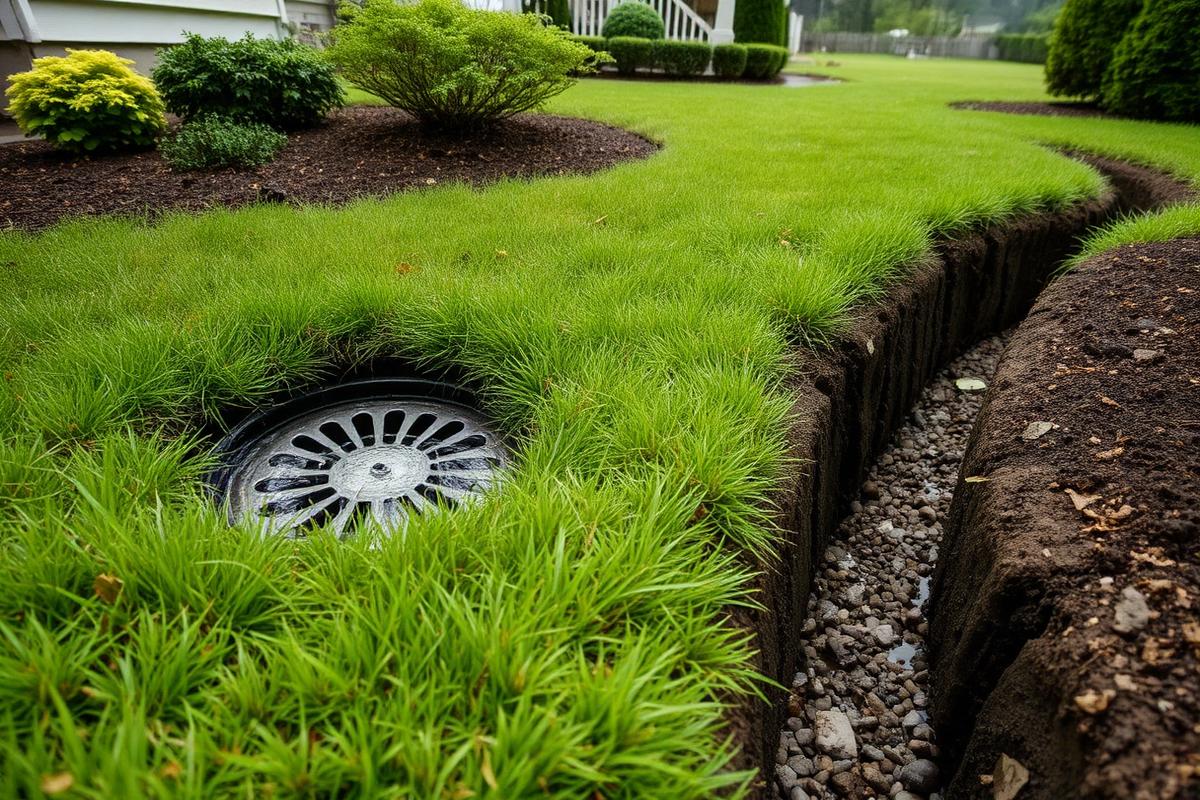
Perforated pipe in a gravel trench wrapped in filter fabric intercepts subsurface water and carries it to the outlet.
3. Catch basins and yard drains
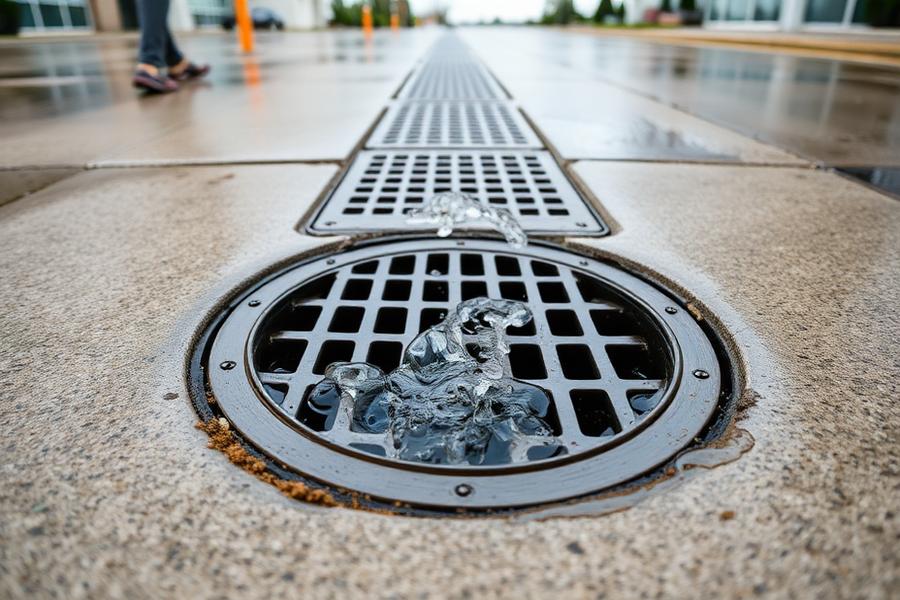
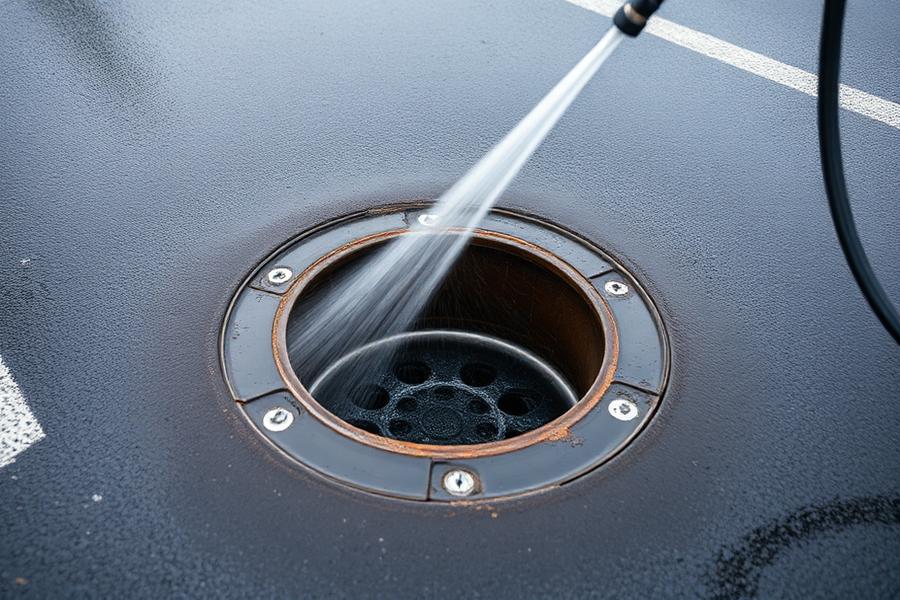
Grated basins in the low spots pick up surface water fast, tied into solid pipe running to the discharge point.
4. Regrading and soil work
Reshaping the lawn to a continuous fall, aerating compacted areas and amending the topsoil helps the finished system keep up.
Yard Flooding / Standing Water — related work on site
Yard Flooding / Standing Water — before and after
Real examples of the problem and the finished result after the work is done.
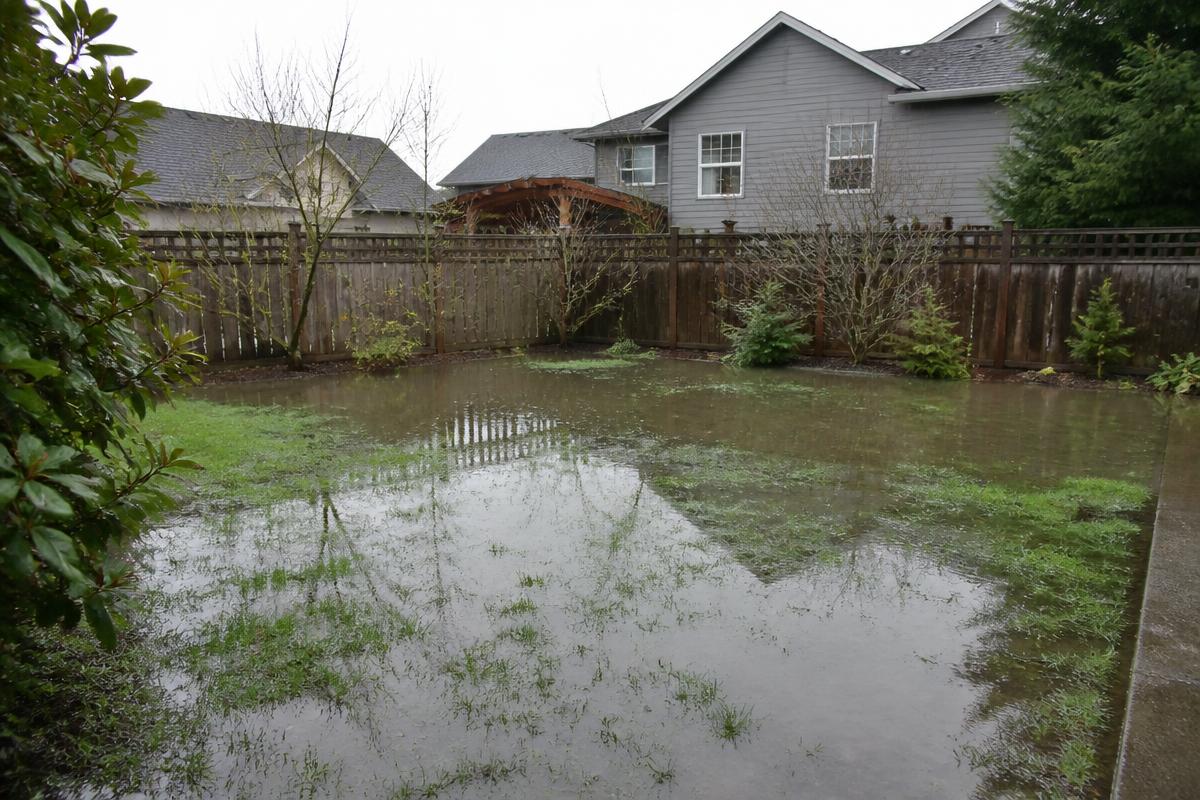 before
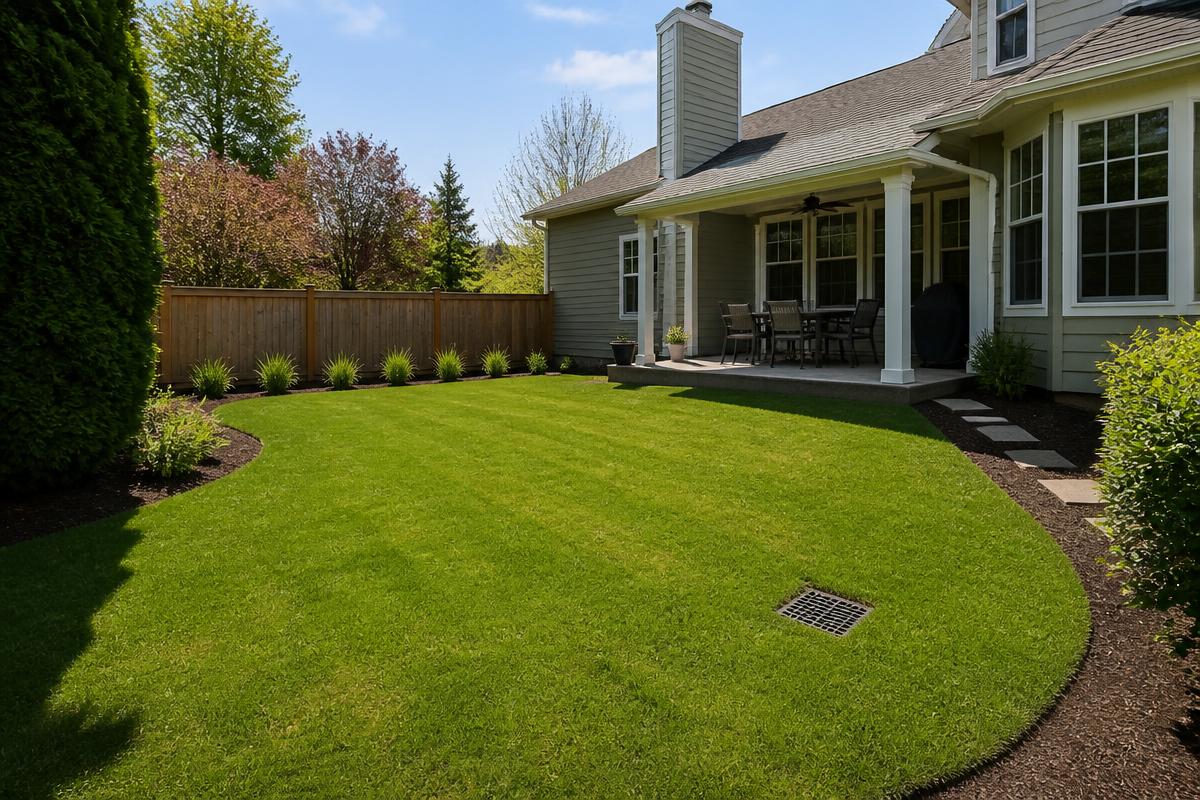 after
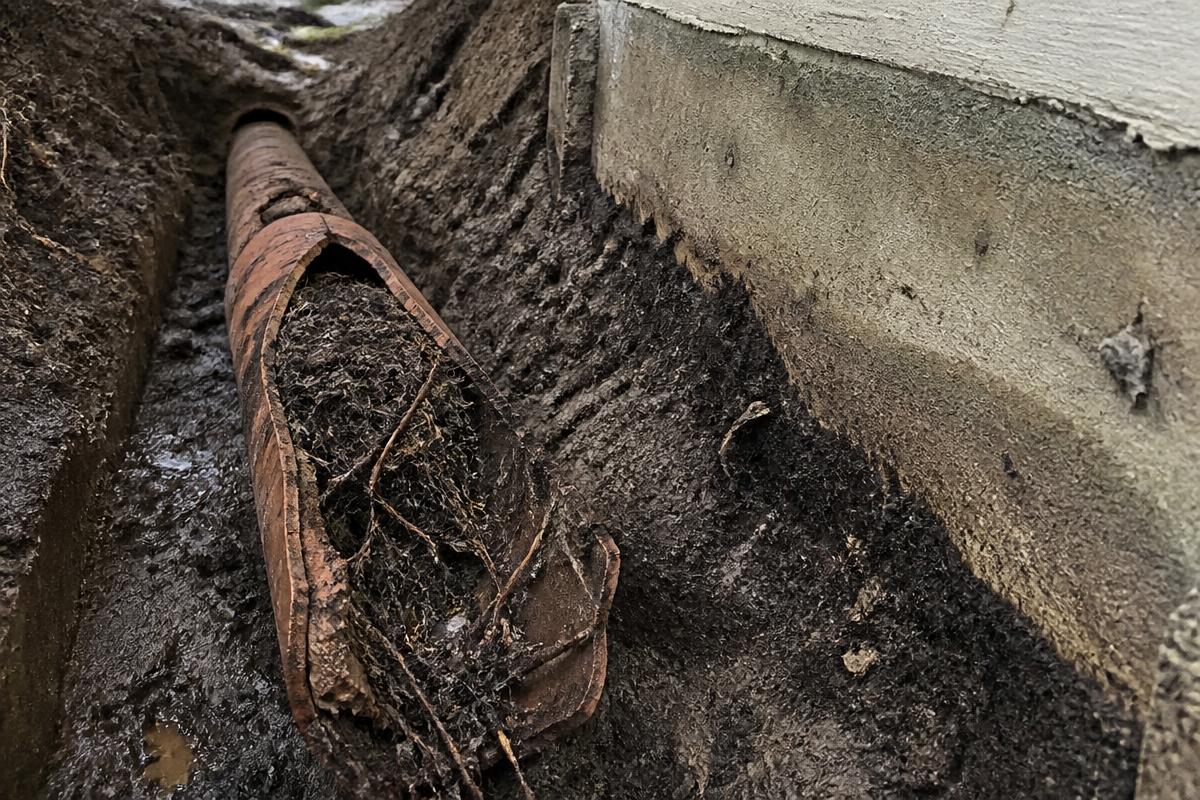 before
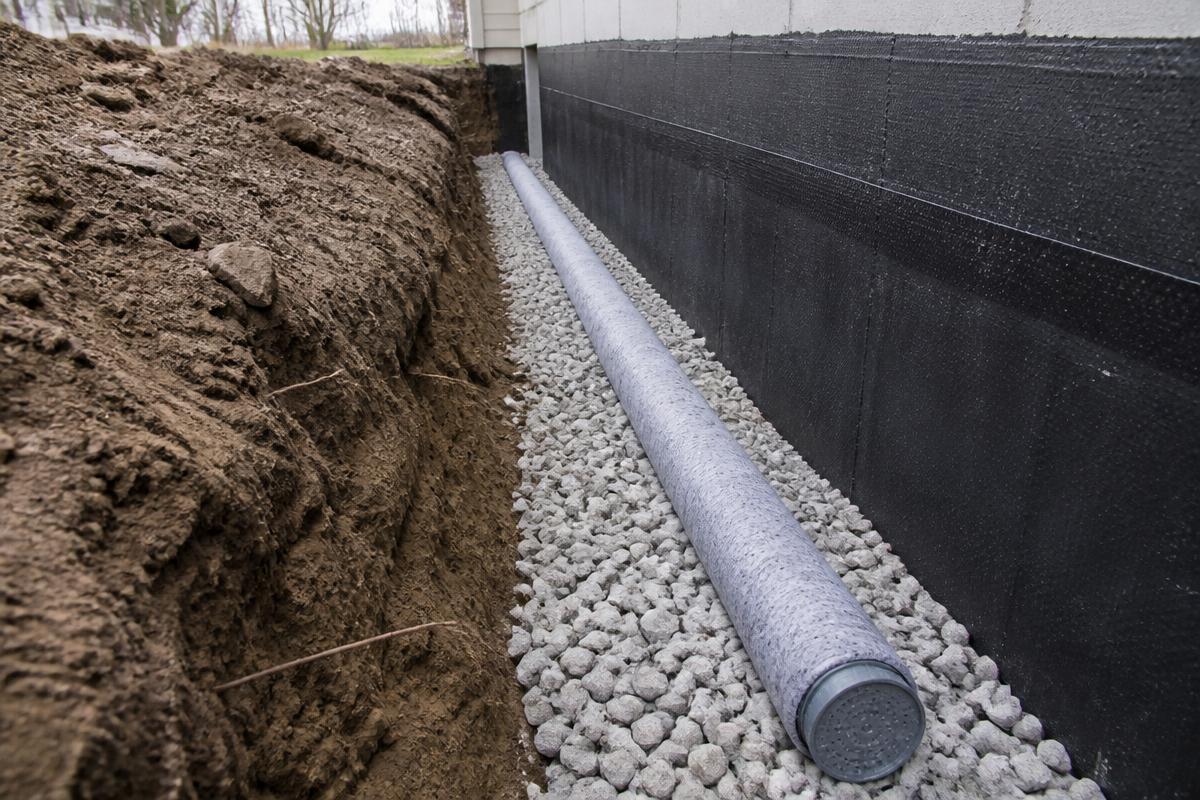 after
How a working drainage system protects a home
Services that solve this
Yard Flooding / Standing Water — quick answer
Yard flooding happens when rainfall arrives faster than the soil can absorb it and there is no outlet to carry it away. In the Lower Mainland this is usually clay soil, a flat or dished lawn, compacted ground, or a high water table. The fix combines regrading, French or yard drains, catch basins and a legal discharge point.
Key facts
- Clay and compacted soil: Surrey, Langley, Delta and Richmond have heavy soils with very low percolation. Once saturated, water simply sits on the surface.
- No fall and no outlet: A flat or dished yard with nowhere to discharge collects everything the roof and hardscaping shed.
- High water table: On low-lying lots in Richmond, Delta and Pitt Meadows, groundwater sits close to the surface and gravity discharge is not always possible — a pumped system is needed.
- DRYHOMEBC covers 14 Lower Mainland and Fraser Valley cities: Vancouver, Burnaby, New Westminster, Richmond, Surrey, Delta, White Rock, Coquitlam, Port Coquitlam, Port Moody, Maple Ridge, Langley, Abbotsford and Chilliwack.
- Quotes are free and carry no obligation.
Yard Flooding / Standing Water FAQs
Where can yard drainage legally discharge in BC?
Usually to the municipal storm system, a ditch, or an approved on-site soakaway. Discharging onto a neighbour's property is not permitted, and most municipalities require a permit for a new storm connection — your contractor should handle that.
Will a French drain fix standing water on clay soil?
It helps, but on heavy clay a French drain alone can fill slowly. The reliable combination is surface catch basins for fast pickup, a French drain for subsurface water, and grading so water reaches them.
How long does yard drainage work take?
Most residential yard drainage jobs run one to three days including trenching, pipe, basins and restoration, depending on the length of the run and machine access to the back yard.
Request a Free Quote
Tell us what you are seeing and we'll pass your yard flooding / standing water request to contractors serving your area.
- 1. Problem›
- 2. Timing›
- 3. Property›
- 4. Photos›
- 5. Contact
What problem are you experiencing?