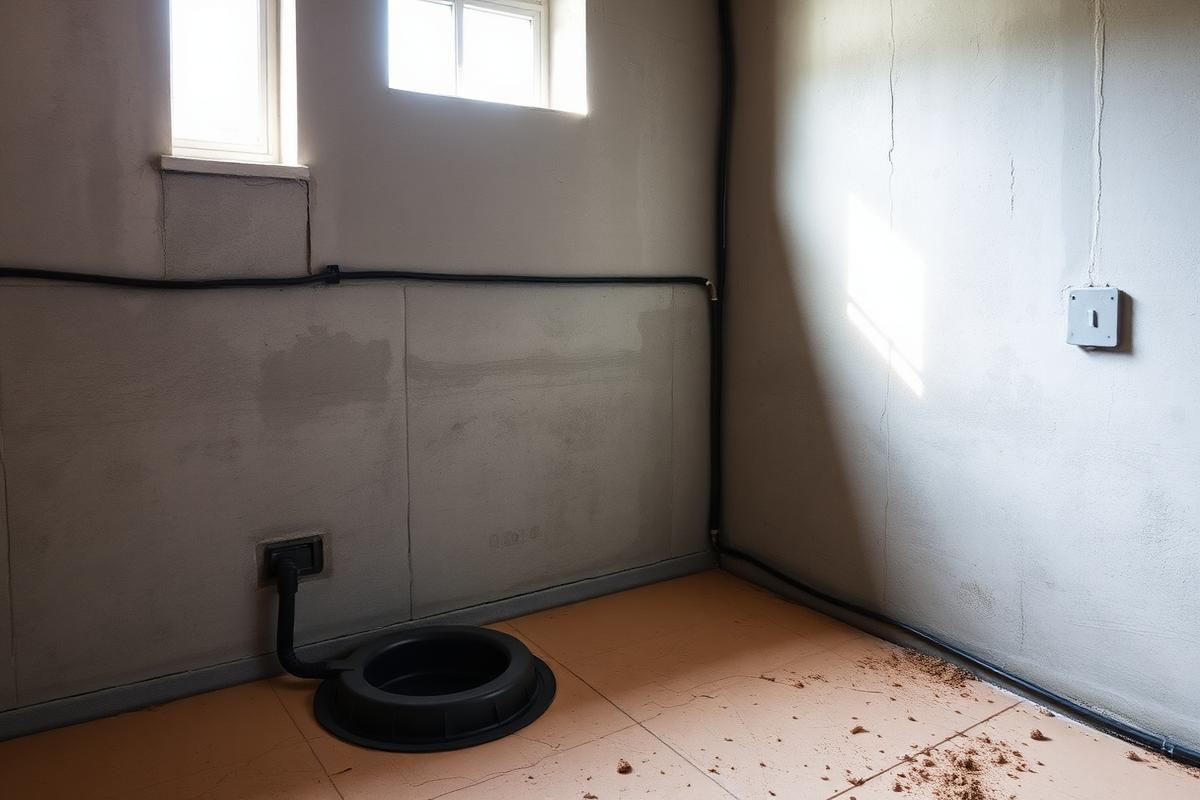
Urgent
Water moving through concrete carries minerals and can corrode reinforcement over time. Seal it before the crack widens.
Signs you have this problem
- A wet streak running down the wall from one point
- Water appearing at a visible vertical crack
- Damp rings around small round holes — old tie-rod locations
- White mineral deposits tracing a path down the concrete
- Rust staining or paint blistering in one column on the wall
What usually causes it
Shrinkage and settlement cracks
Concrete shrinks as it cures and settles with the soil. Hairline vertical cracks stay dry until the outside soil saturates, then become a direct path.
Cold joints and tie-rod holes
The seam between footing and wall, and the holes left by the forming ties, are the two most common leak points in Lower Mainland foundations.
Failed or absent exterior damp-proofing
Older homes often have only a thin asphalt spray that has long since broken down, leaving bare concrete against saturated soil.
How it gets fixed
1. Trace the entry point
The contractor follows the wet track and mineral staining back to the source and checks whether the perimeter drain at that elevation is still working.
2. Exterior excavation and membrane
The wall is exposed, cleaned, crack-repaired and sealed with membrane and dimple board, and the drain rock and pipe at the footing are renewed while everything is open.
3. Injection sealing
Where excavation is blocked, polyurethane or epoxy injection fills the crack through its full thickness from inside — effective for isolated cracks and tie-rod holes.
4. Relieve the pressure
Sealing alone can push water to the next weak point, so a working perimeter drain, corrected grading and, where needed, a sump are part of a proper repair.
Foundation Wall Leaks — related work on site
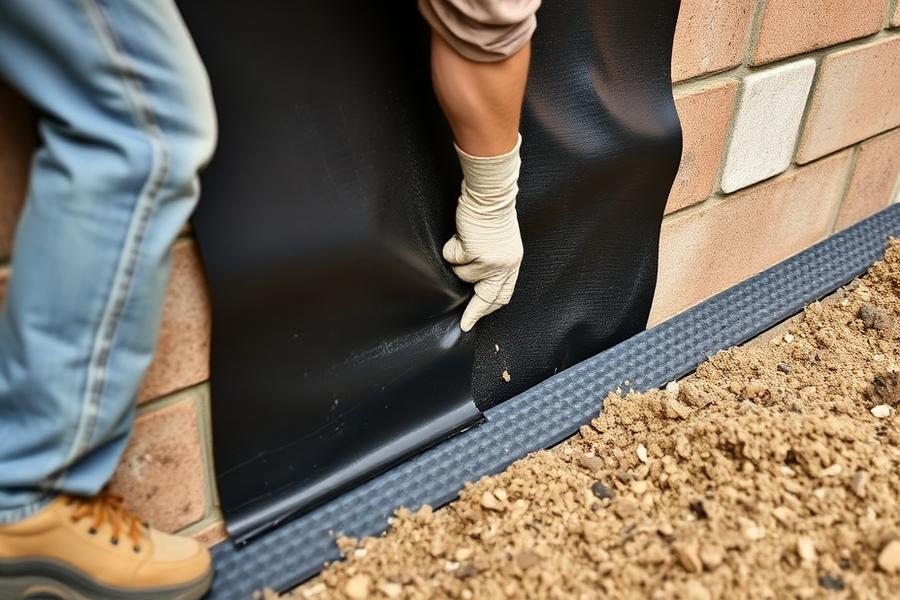
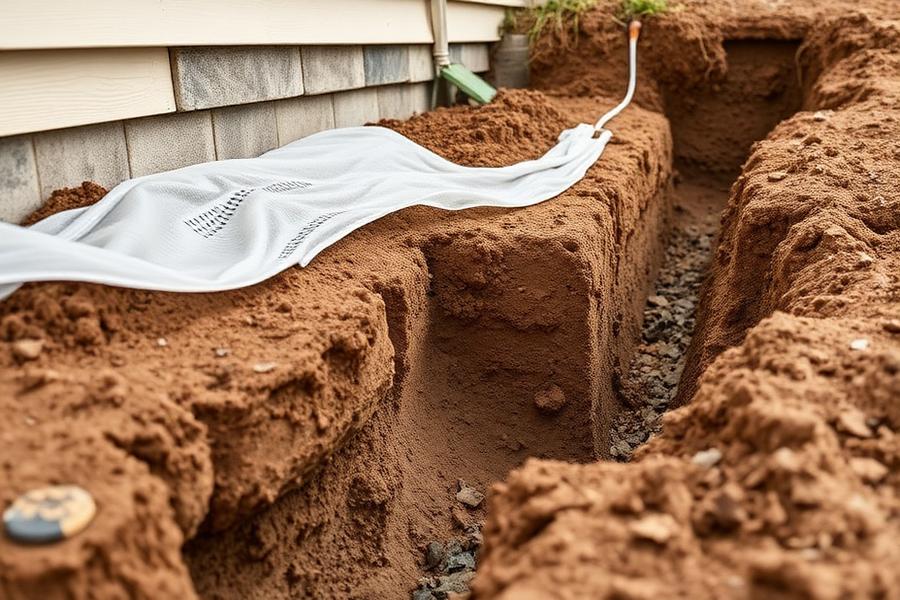
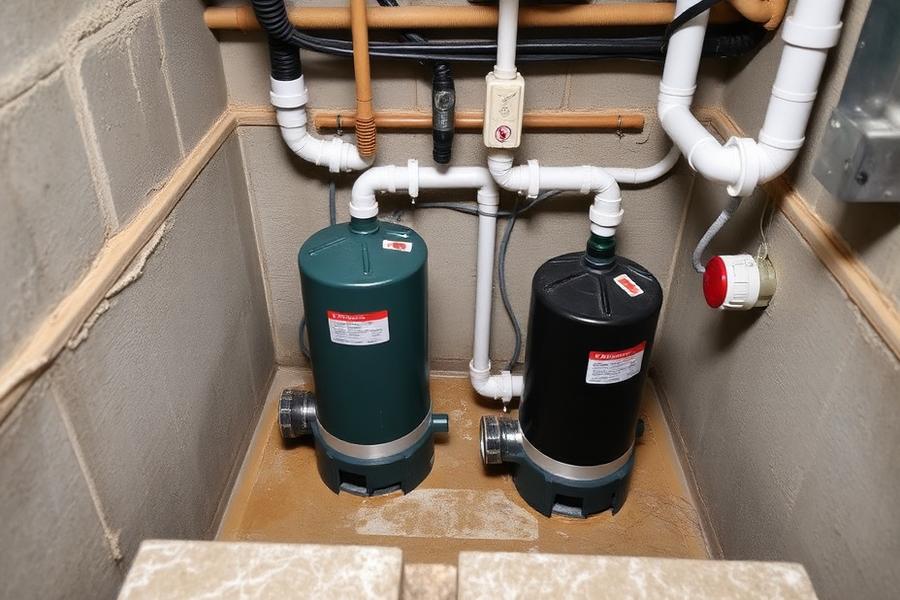
Foundation Wall Leaks — before and after
Real examples of the problem and the finished result after the work is done.
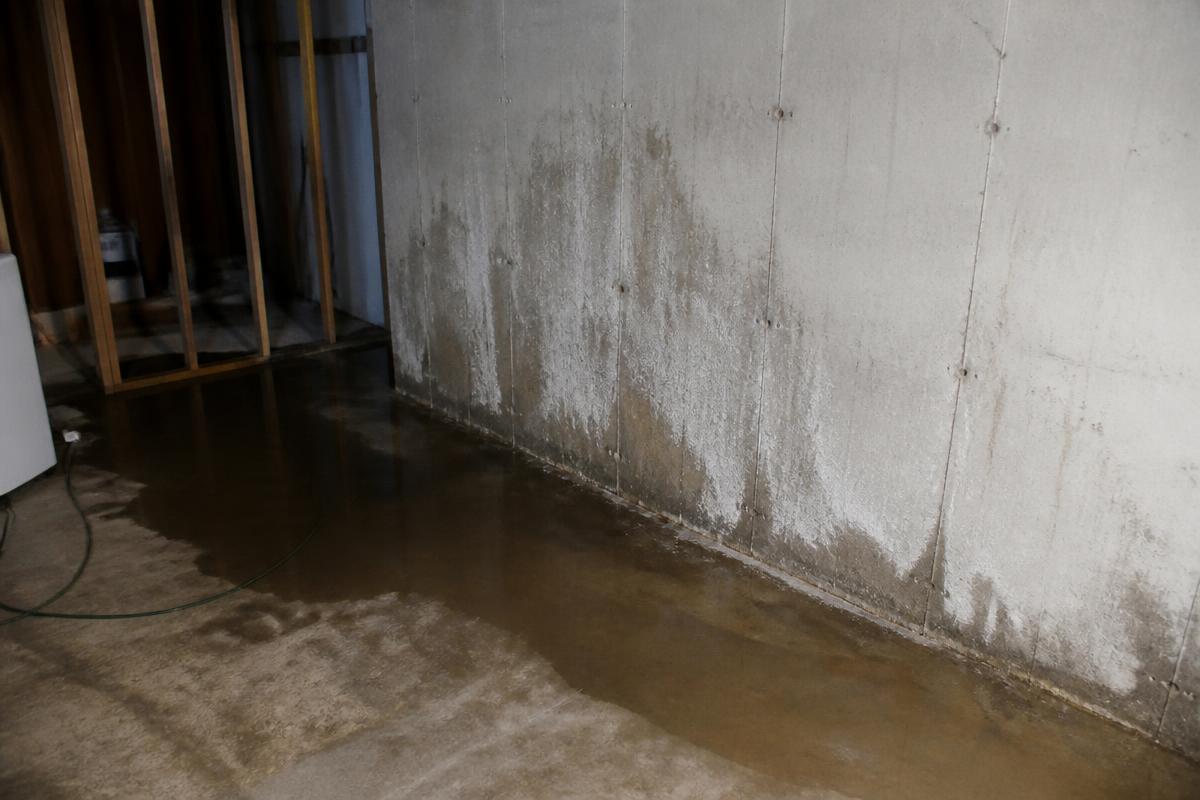 before
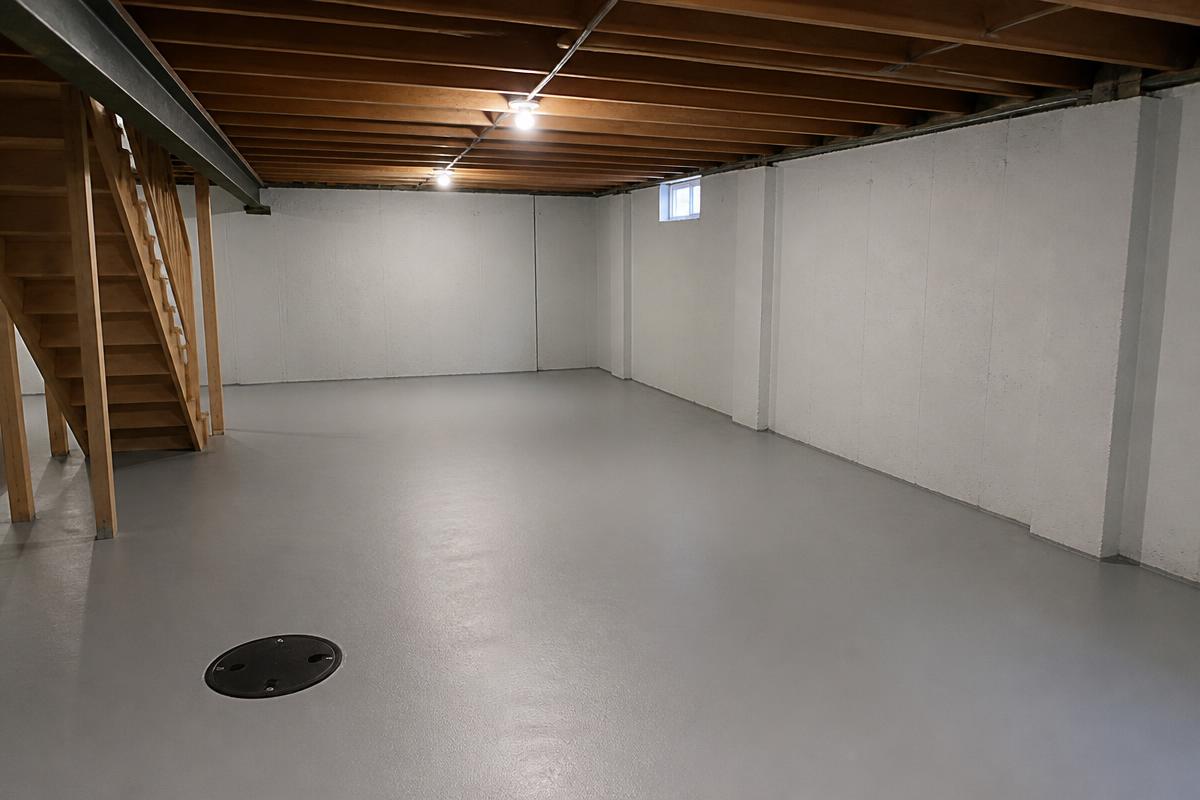 after
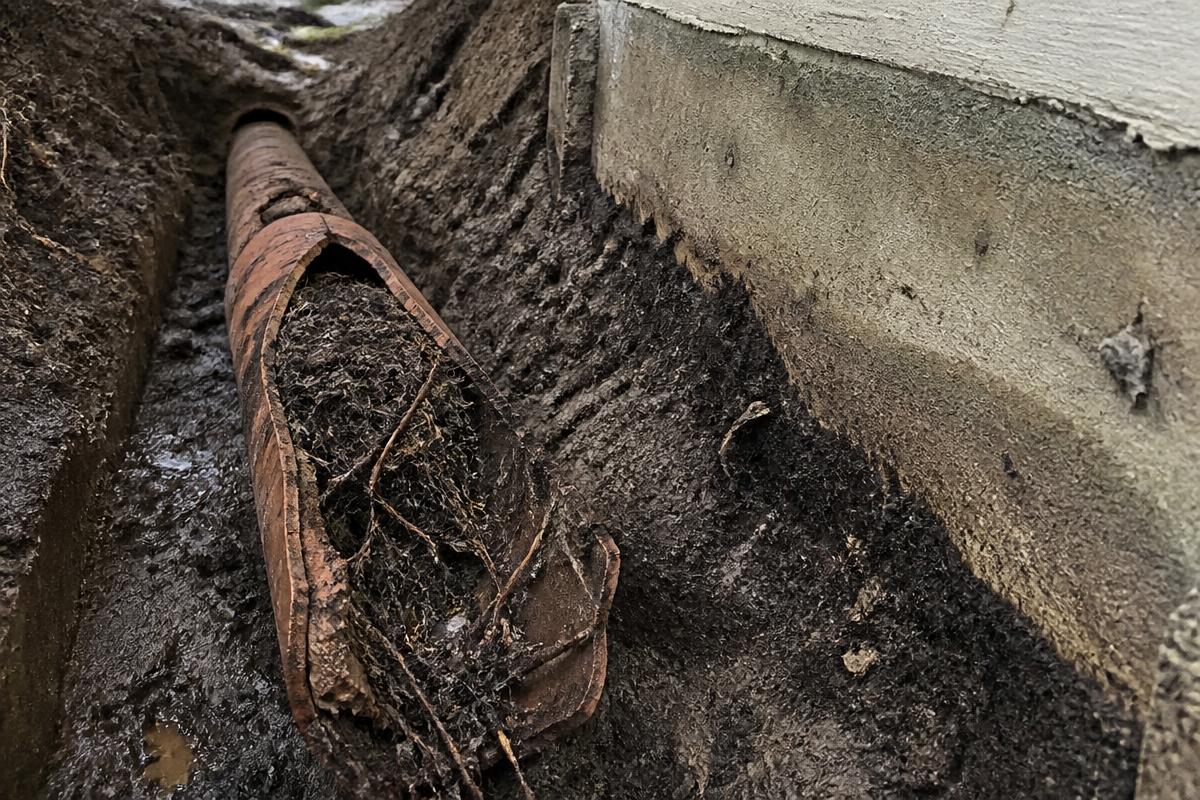 before
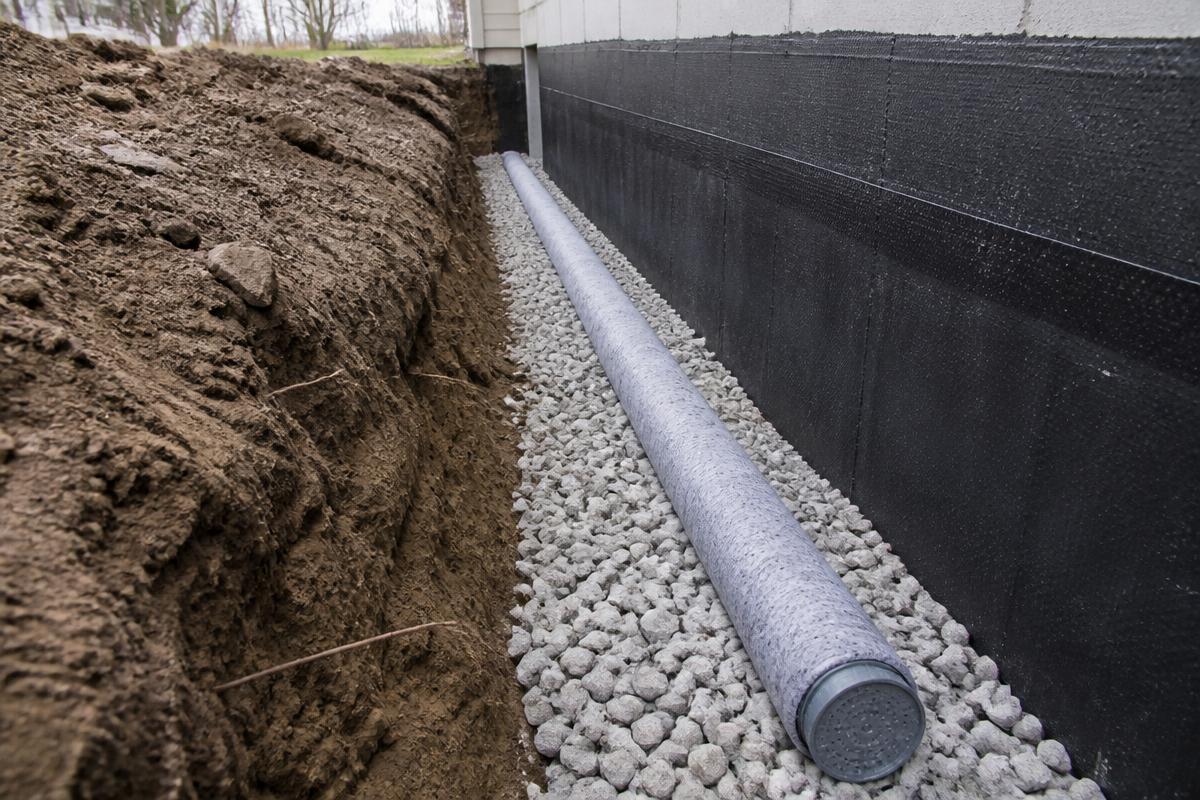 after
How a working drainage system protects a home
Services that solve this
Foundation Wall Leaks — quick answer
A foundation wall leak is water entering through a crack, cold joint, tie-rod hole or form-panel seam in the concrete. The repair depends on where the water enters and whether the outside can be excavated: exterior membrane and drainage is the durable fix, while injection sealing works where excavation is not practical.
Key facts
- Shrinkage and settlement cracks: Concrete shrinks as it cures and settles with the soil. Hairline vertical cracks stay dry until the outside soil saturates, then become a direct path.
- Cold joints and tie-rod holes: The seam between footing and wall, and the holes left by the forming ties, are the two most common leak points in Lower Mainland foundations.
- Failed or absent exterior damp-proofing: Older homes often have only a thin asphalt spray that has long since broken down, leaving bare concrete against saturated soil.
- DRYHOMEBC covers 14 Lower Mainland and Fraser Valley cities: Vancouver, Burnaby, New Westminster, Richmond, Surrey, Delta, White Rock, Coquitlam, Port Coquitlam, Port Moody, Maple Ridge, Langley, Abbotsford and Chilliwack.
- Quotes are free and carry no obligation.
Foundation Wall Leaks FAQs
Is a leaking foundation crack a structural problem?
Most leaking cracks are shrinkage or minor settlement cracks and are not structural. Cracks wider than about 5 mm, ones that step diagonally, or cracks that keep widening should be assessed by a structural engineer before any sealing work.
Does interior crack injection last?
Properly injected polyurethane fills the full wall thickness and flexes with the concrete, so it holds well on isolated cracks. It does not fix a failed perimeter drain, so if the whole wall is under pressure the leak simply reappears elsewhere.
Can the wall be sealed from outside without replacing the drain tile?
Technically yes, but once the wall is excavated the incremental cost of renewing the drain rock and pipe is small compared with digging again later. Most contractors recommend doing both in one pass.
Request a Free Quote
Tell us what you are seeing and we'll pass your foundation wall leaks request to contractors serving your area.
- 1. Problem›
- 2. Timing›
- 3. Property›
- 4. Photos›
- 5. Contact
What problem are you experiencing?