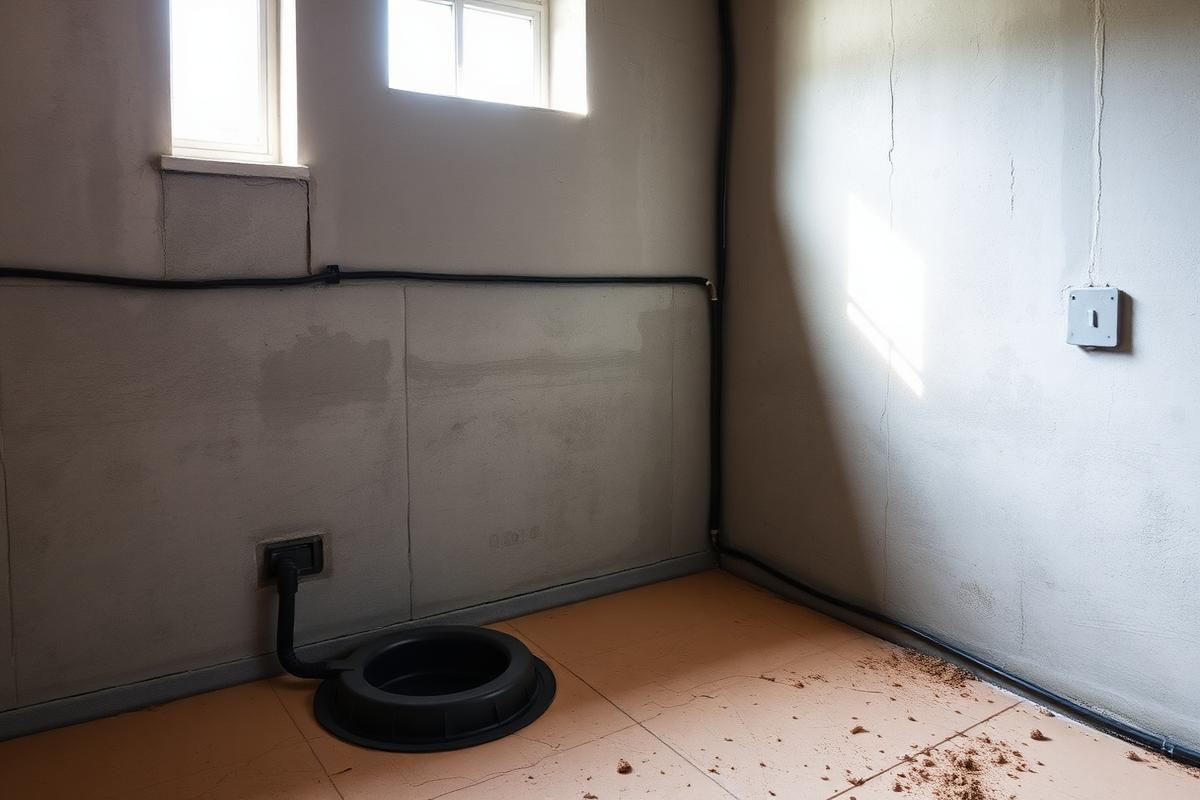
Urgent
Act before the next heavy rain. Standing water damages finishes and framing quickly, and mould can start within 48 hours.
Signs you have this problem
- Puddles or damp patches on the basement floor after rain
- A wet line where the floor meets the wall
- Damp or discoloured baseboards, drywall or carpet underlay
- Water seeping in at one specific spot every storm
- Efflorescence — white chalky residue — on concrete walls
What usually causes it
Failed or blocked perimeter drain
Clay or concrete tile from before the 1970s silts up, cracks or fills with roots. Once it cannot carry water away, groundwater builds up against the footing and pushes inside.
Cracks and cold joints in the foundation
Shrinkage cracks, tie-rod holes and the joint between footing and wall are the usual entry points. They leak only when the soil outside is saturated, which is why the problem looks seasonal.
Surface water running toward the house
Negative grading, a blocked downspout or a driveway sloping back at the foundation can dump hundreds of litres against one wall during a storm.
How it gets fixed
1. Camera inspection first
A contractor scopes the perimeter line from the cleanouts to see if it is collapsed, silted or root-blocked. This is what separates a $600 flush from a full replacement, and it should happen before anyone quotes excavation.
2. Clear or repair the drain
If the pipe is sound but blocked, hydro-jetting and root cutting restores flow. If one section is crushed, that run is dug up and replaced while the rest is left alone.
3. Replace and waterproof
When the tile is original or failing in several places, the perimeter is excavated, new perforated pipe and drain rock go in, and the exposed wall is membraned at the same time — the cheapest moment to waterproof it.
4. Manage what is left inside
A sump and pump handles any water that still arrives, and interior crack injection seals specific entry points where exterior excavation is not practical.
Water in Basement — related work on site
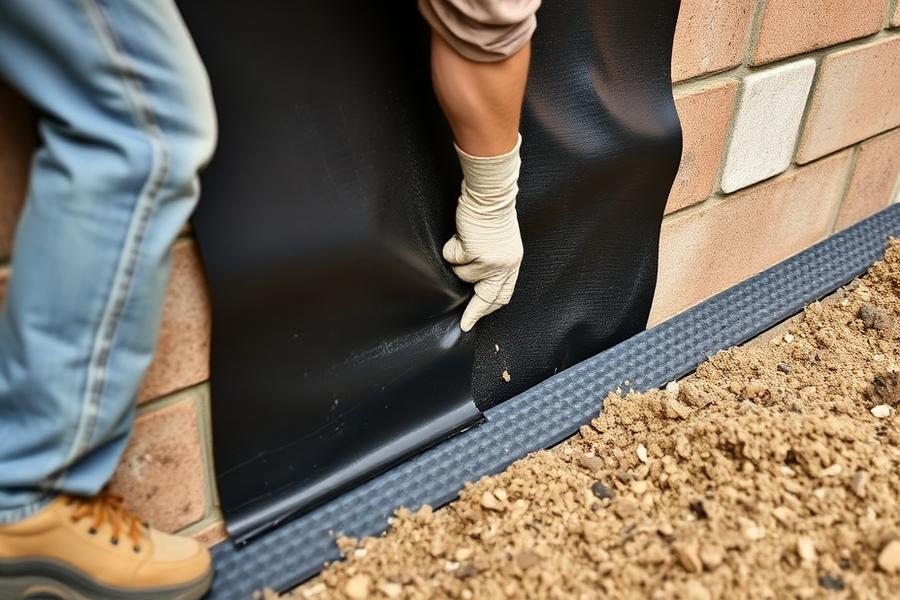
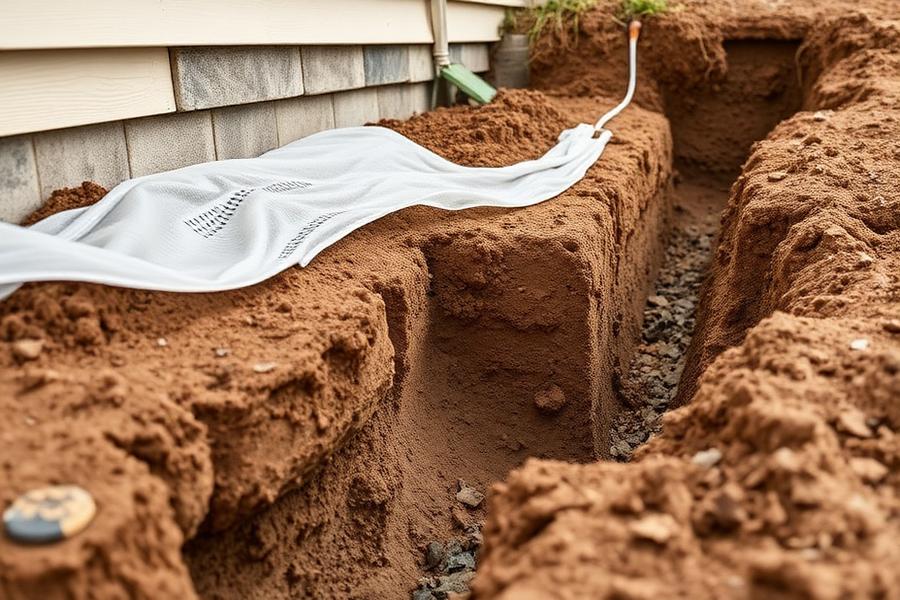
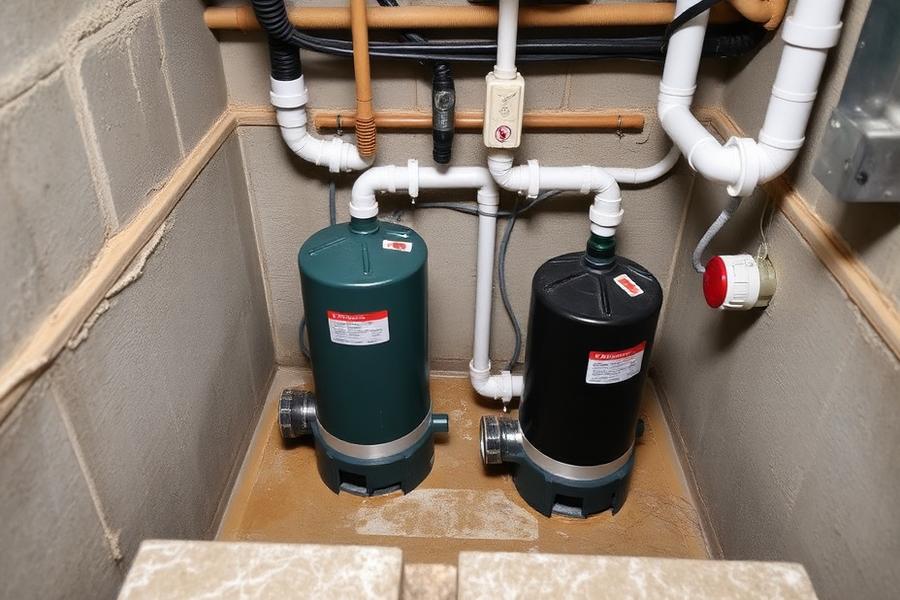
Water in Basement — before and after
Real examples of the problem and the finished result after the work is done.
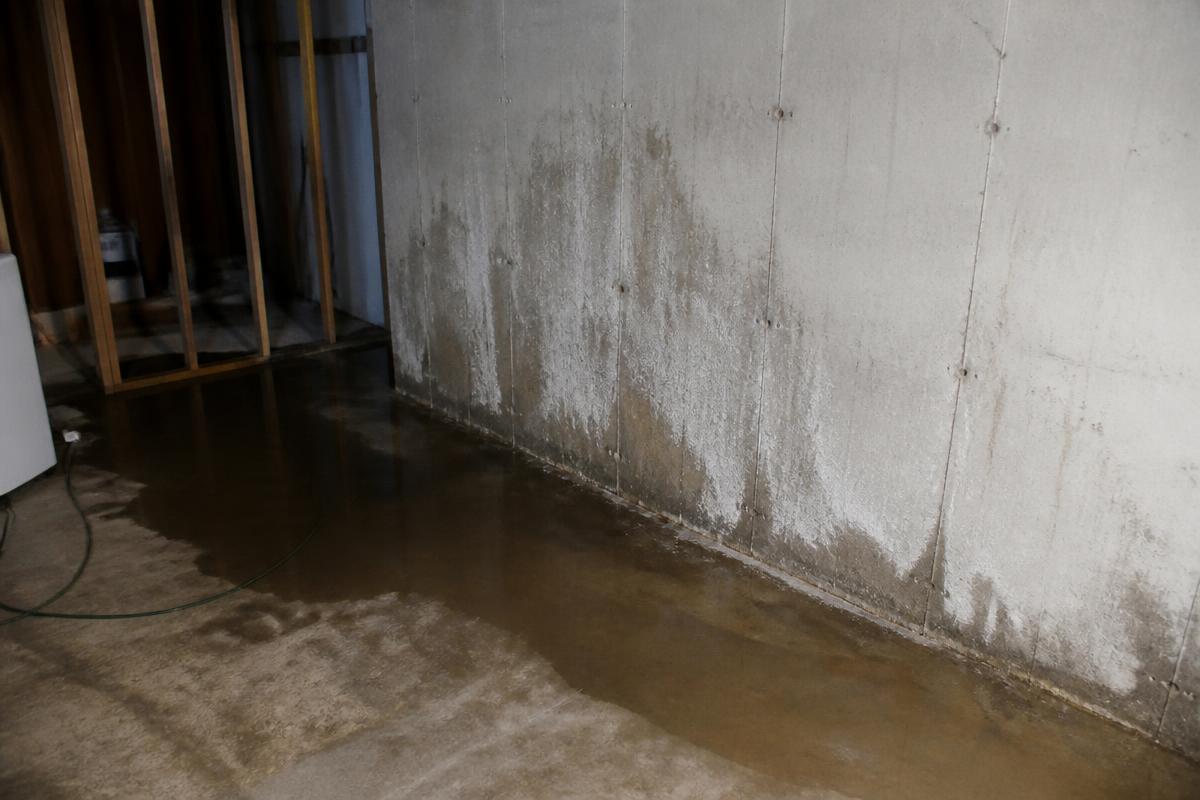 before
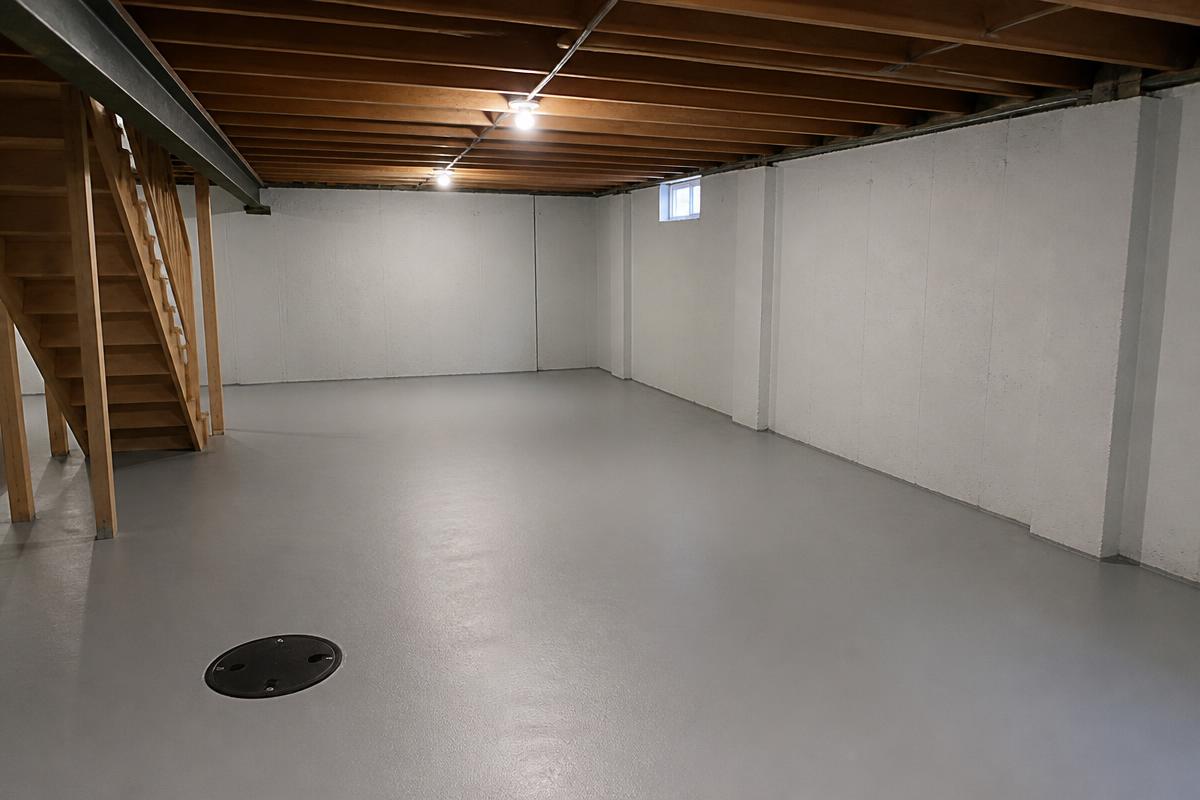 after
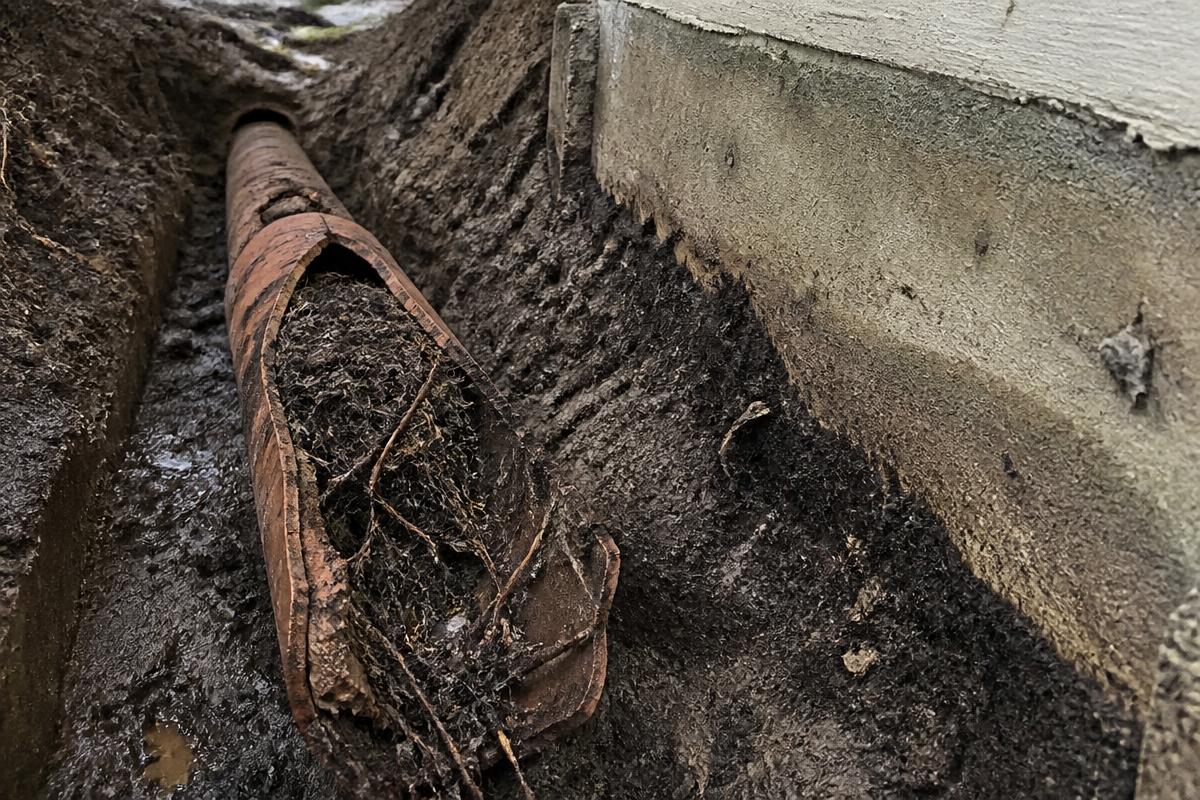 before
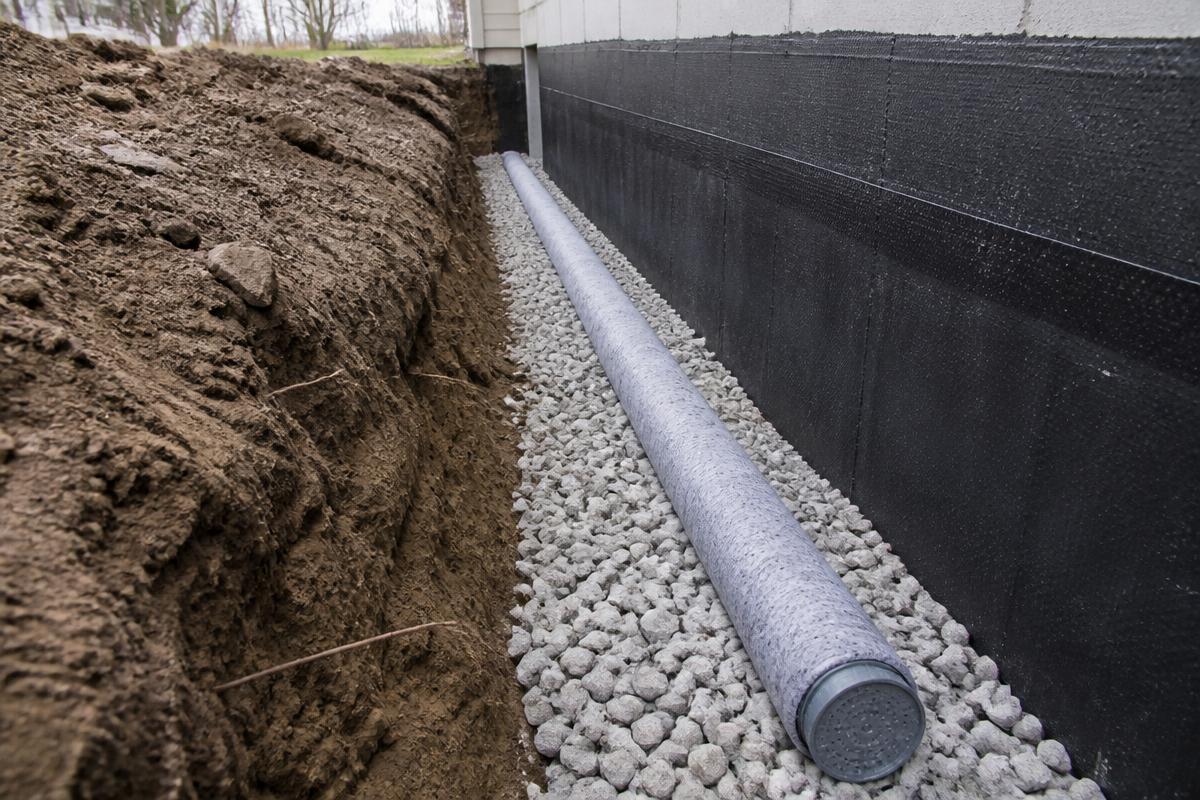 after
How a working drainage system protects a home
Services that solve this
Water in Basement — quick answer
Water in a Lower Mainland basement almost always comes from groundwater the perimeter drain can no longer carry away, a leak through a foundation crack or cold joint, or surface water running toward the house. A camera inspection of the perimeter drain is the standard first step, because it tells you whether you need a repair, a cleaning, or a full replacement.
Key facts
- Failed or blocked perimeter drain: Clay or concrete tile from before the 1970s silts up, cracks or fills with roots. Once it cannot carry water away, groundwater builds up against the footing and pushes inside.
- Cracks and cold joints in the foundation: Shrinkage cracks, tie-rod holes and the joint between footing and wall are the usual entry points. They leak only when the soil outside is saturated, which is why the problem looks seasonal.
- Surface water running toward the house: Negative grading, a blocked downspout or a driveway sloping back at the foundation can dump hundreds of litres against one wall during a storm.
- DRYHOMEBC covers 14 Lower Mainland and Fraser Valley cities: Vancouver, Burnaby, New Westminster, Richmond, Surrey, Delta, White Rock, Coquitlam, Port Coquitlam, Port Moody, Maple Ridge, Langley, Abbotsford and Chilliwack.
- Quotes are free and carry no obligation.
Water in Basement FAQs
Why is water coming into my basement only when it rains?
Rain-triggered leaks point to drainage rather than plumbing. When the perimeter drain cannot move water away fast enough, the soil around the footing saturates and hydrostatic pressure pushes water through cracks and the floor-wall joint. A plumbing leak, by contrast, shows up regardless of weather.
How much does it cost to stop water getting into a basement?
A drain flush or spot repair is usually the low-thousands. Full perimeter drain replacement with exterior waterproofing on a Lower Mainland detached home generally falls between $12,000 and $30,000 depending on perimeter length, excavation depth, access and restoration. Quotes through DRYHOMEBC are free and carry no obligation, and your request only goes to contractors already working in your city.
Should I fix the basement from the inside or the outside?
Exterior work stops water before it reaches the wall and is the durable fix in BC's rainfall, especially when the drain tile is being replaced anyway. Interior systems manage water that is already inside and make sense when excavation is blocked by a garage, neighbour's structure or hardscaping.
Where can I get this fixed?
DRYHOMEBC covers 14 Lower Mainland and Fraser Valley cities: Vancouver, Burnaby, New Westminster, Richmond, Surrey, Delta, White Rock, Coquitlam, Port Coquitlam, Port Moody, Maple Ridge, Langley, Abbotsford and Chilliwack.
Request a Free Quote
Tell us what you are seeing and we'll pass your water in basement request to contractors serving your area.
- 1. Problem›
- 2. Timing›
- 3. Property›
- 4. Photos›
- 5. Contact
What problem are you experiencing?