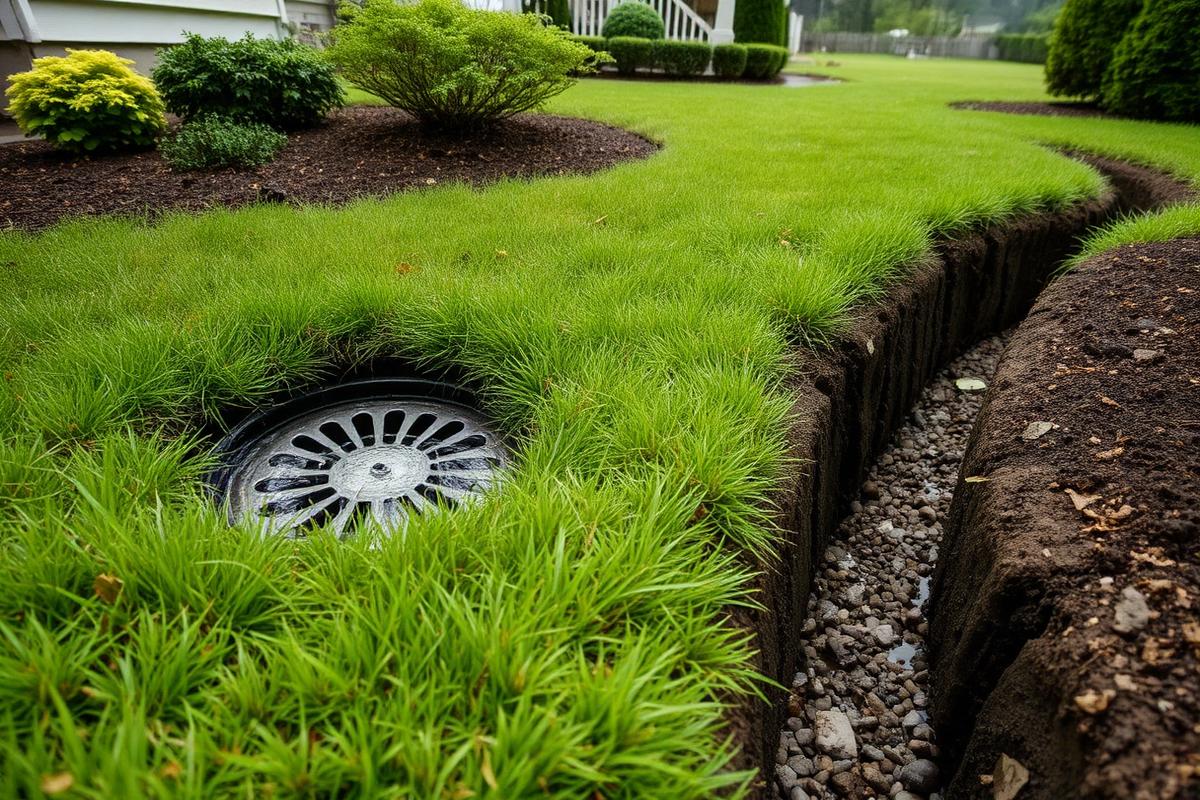
Plan ahead
Not an emergency yet, but this is the cheapest stage to fix. Correcting grade now costs far less than replacing a drain later.
Signs you have this problem
- Puddles that sit against the foundation for hours after rain
- Soggy soil or dying plants along one wall
- Mud splash lines on siding or stucco
- Patio, driveway or walkway sloping toward the house
- Downspouts dumping straight onto soil at the wall
What usually causes it
Negative or flat grading
Soil should fall at least 15 cm over the first 2 m away from the house. Settling, added topsoil and new landscaping quietly reverse that slope over the years.
Downspouts discharging at the foundation
A single downspout can deliver thousands of litres in a storm. Discharged at the wall, all of it soaks into the soil directly above the footing drain.
Hardscaping that traps water
Patios, pavers and driveways poured without a fall away from the house create a basin. Retaining walls without weep holes do the same on sloped lots.
How it gets fixed
1. Regrade the first two metres
Reshaping the soil so it falls away from the wall is the single most effective fix and often solves the problem on its own.
2. Pipe the roof water away
Downspouts are tied into solid pipe and carried to a catch basin, the storm connection or a discharge point well away from the foundation.
3. Add surface collection
Catch basins in low spots and channel or trench drains at driveway and patio edges intercept runoff before it reaches the wall.
4. Intercept with a French drain
On sloped lots, a gravel-filled French drain uphill of the house catches subsurface water and routes it around the building.
Water Pooling Around House — related work on site
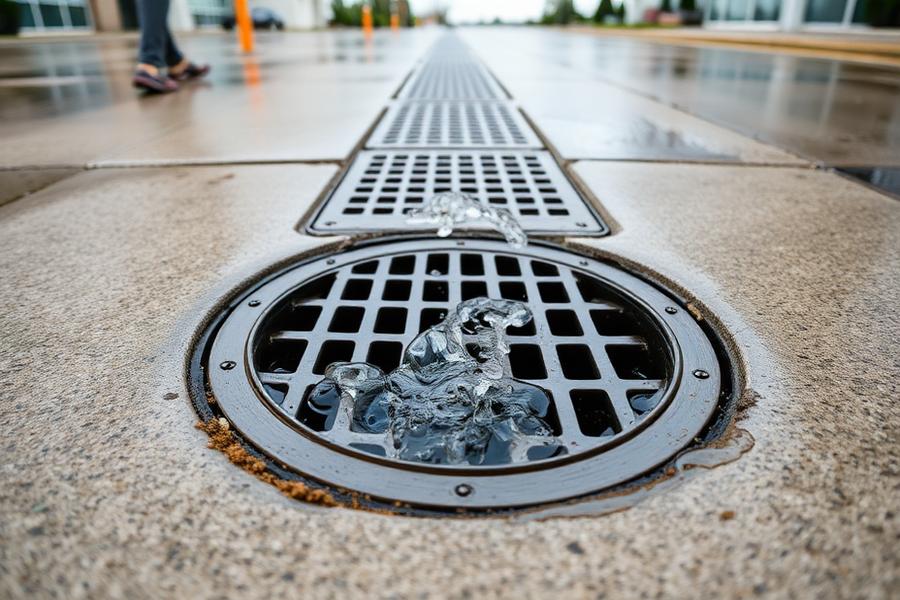
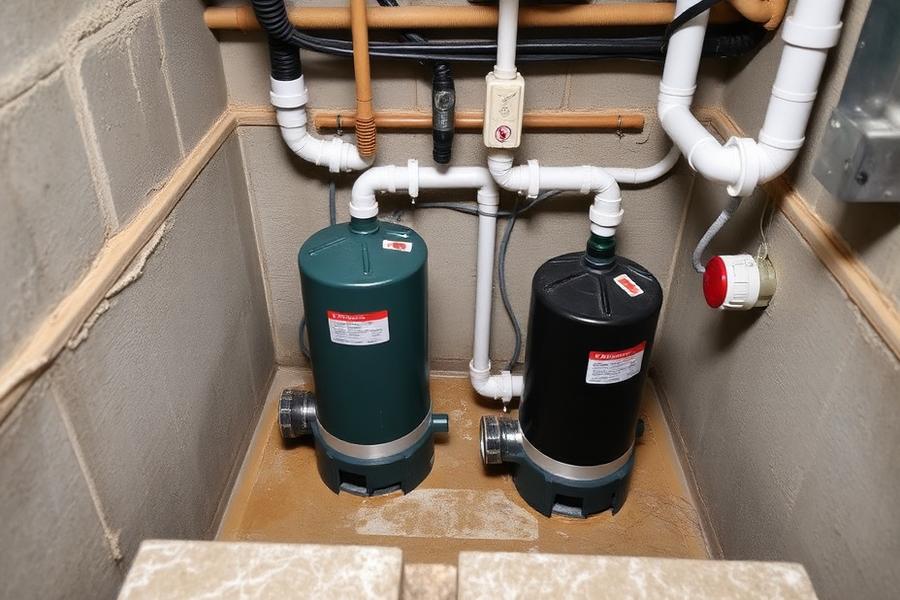
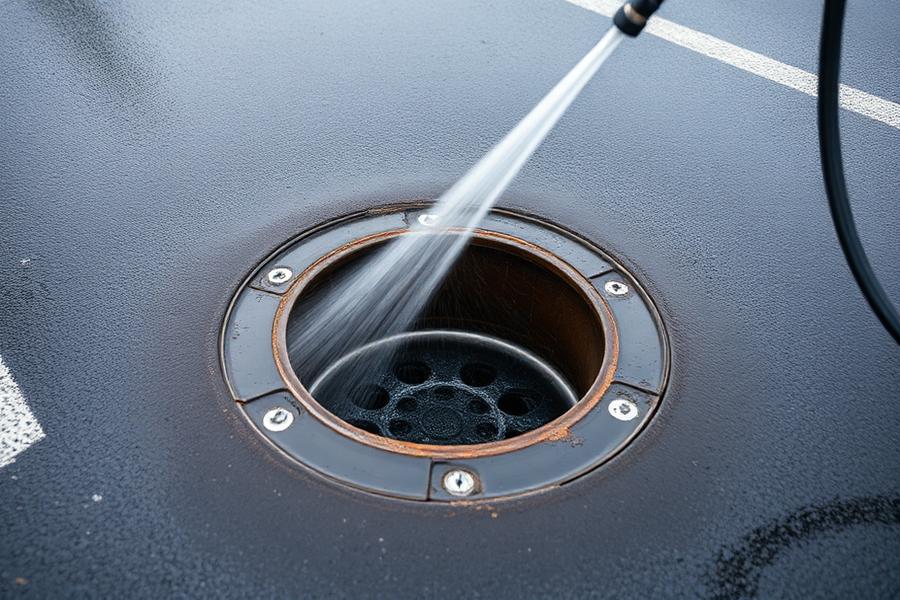
Water Pooling Around House — before and after
Real examples of the problem and the finished result after the work is done.
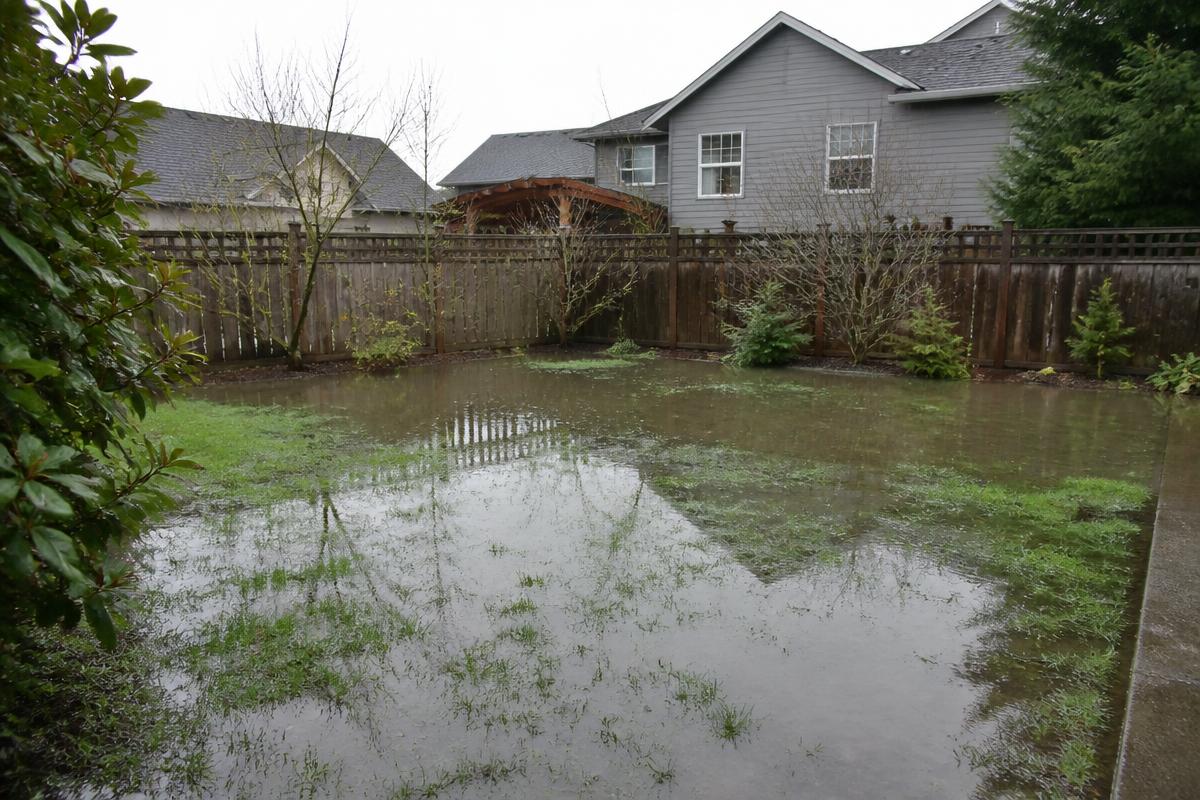 before
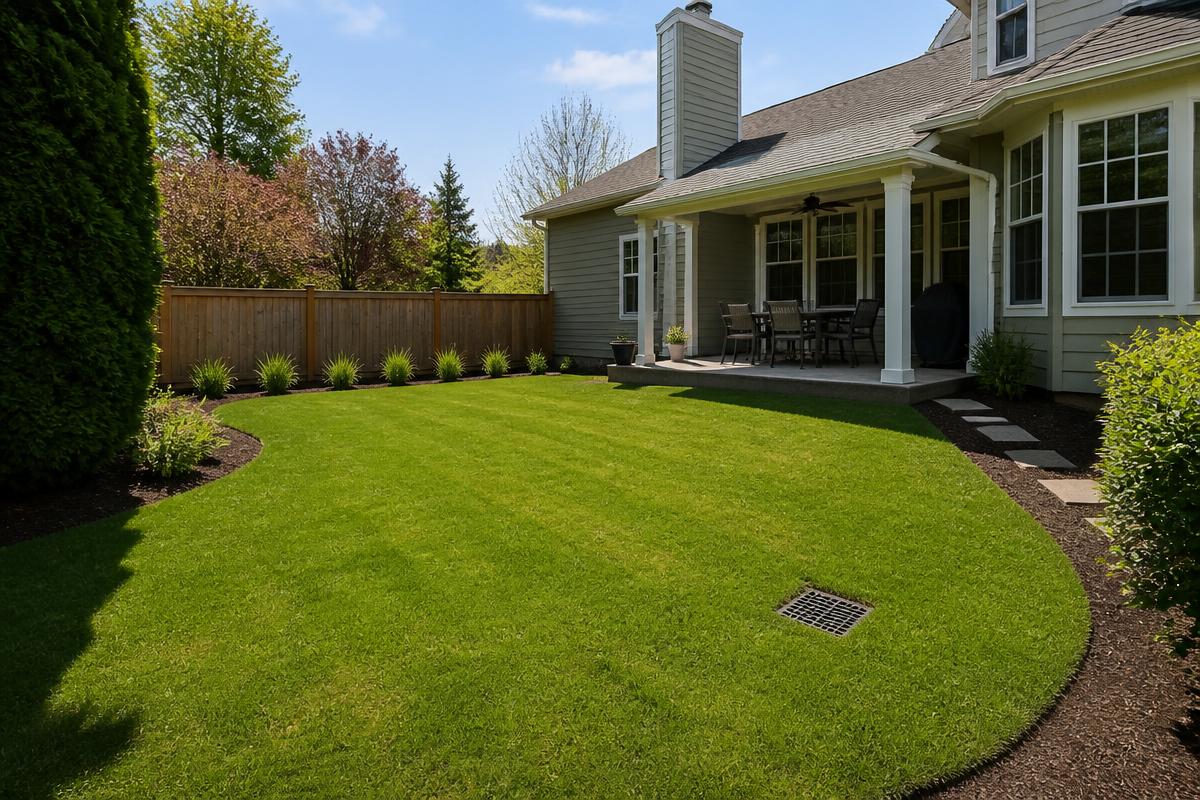 after
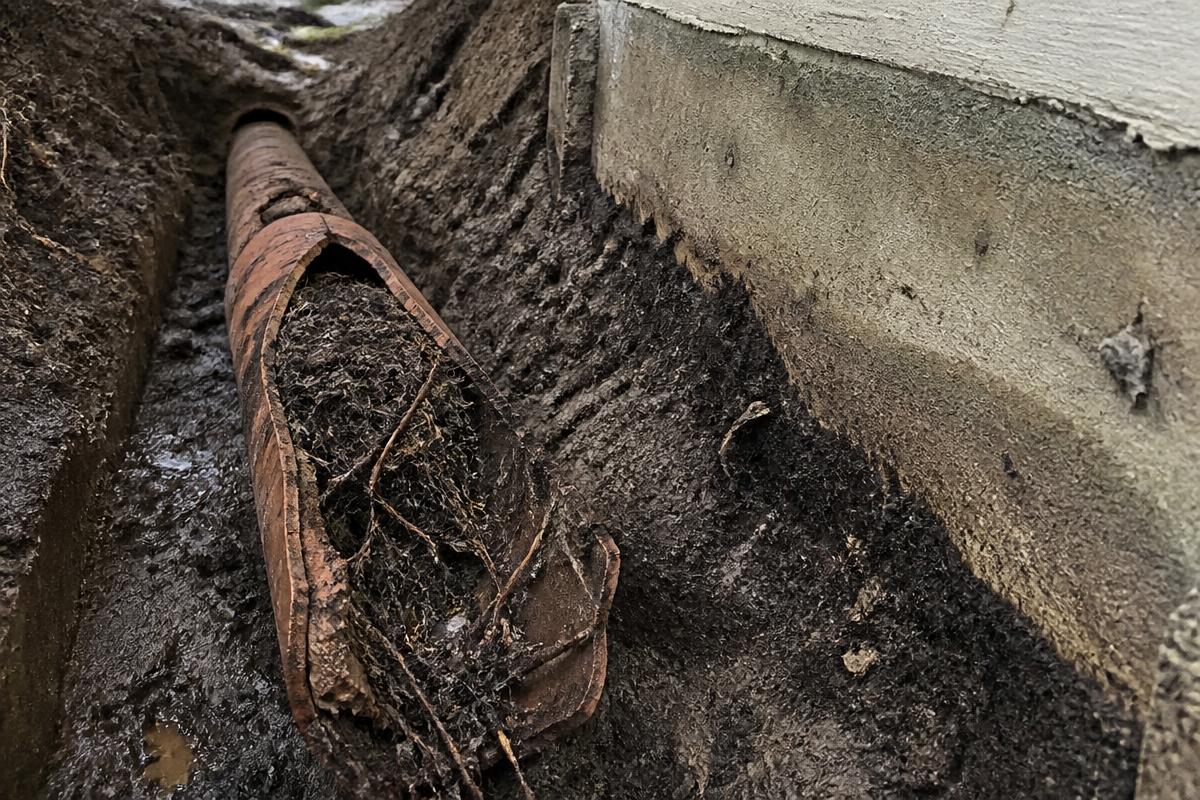 before
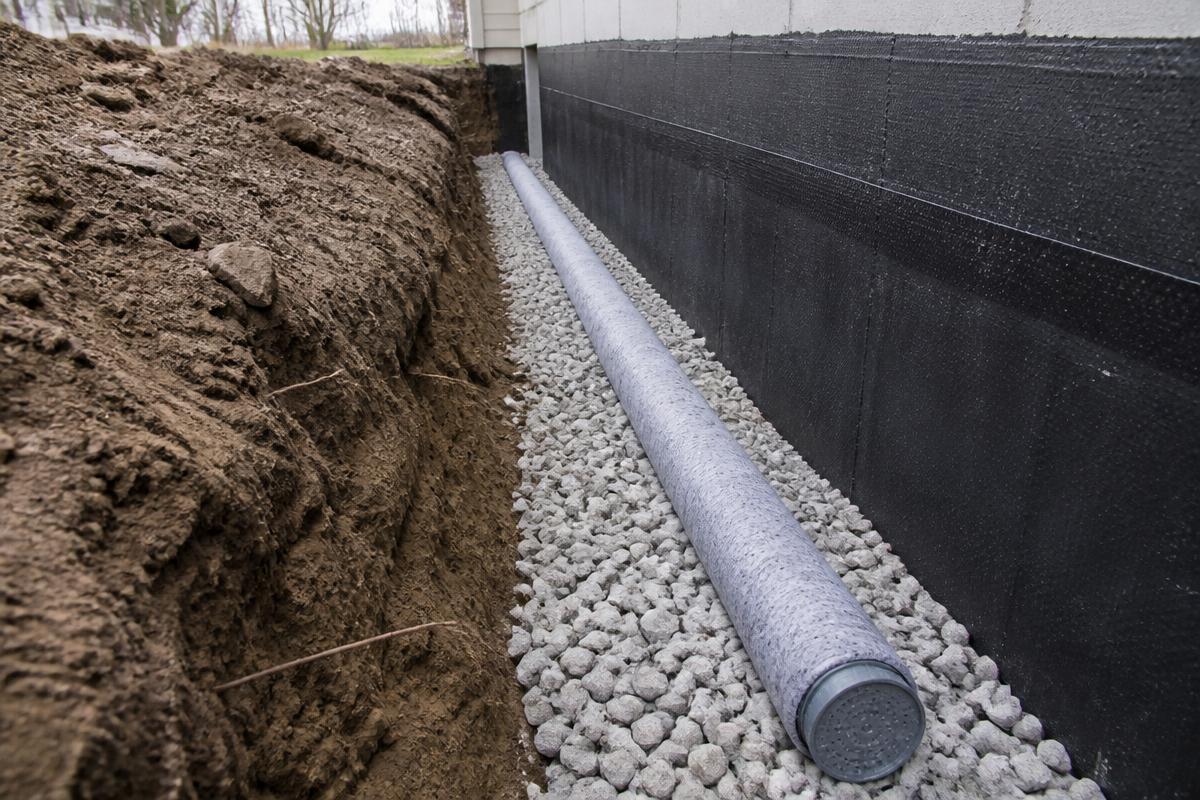 after
How a working drainage system protects a home
Services that solve this
Water Pooling Around House — quick answer
Water pooling against a house means surface runoff has nowhere to go: the ground slopes back toward the foundation, downspouts discharge at the wall, or hardscaping traps water. Left alone it saturates the soil against the footing and eventually overwhelms the perimeter drain, which is how a landscaping issue becomes a basement one.
Key facts
- Negative or flat grading: Soil should fall at least 15 cm over the first 2 m away from the house. Settling, added topsoil and new landscaping quietly reverse that slope over the years.
- Downspouts discharging at the foundation: A single downspout can deliver thousands of litres in a storm. Discharged at the wall, all of it soaks into the soil directly above the footing drain.
- Hardscaping that traps water: Patios, pavers and driveways poured without a fall away from the house create a basin. Retaining walls without weep holes do the same on sloped lots.
- DRYHOMEBC covers 14 Lower Mainland and Fraser Valley cities: Vancouver, Burnaby, New Westminster, Richmond, Surrey, Delta, White Rock, Coquitlam, Port Coquitlam, Port Moody, Maple Ridge, Langley, Abbotsford and Chilliwack.
- Quotes are free and carry no obligation.
Water Pooling Around House FAQs
How much slope should the ground have away from my house?
Aim for roughly 15 cm of fall over the first 2 m — about a 6% slope — then a gentler continuous fall beyond that. Hard surfaces need at least 2% away from the building.
Is pooling water actually damaging my foundation?
Over time, yes. Saturated soil against the footing adds hydrostatic pressure, accelerates silting of the perimeter drain, and in clay soils causes swelling and shrinking cycles that stress the foundation wall.
What does fixing pooling water usually cost?
Regrading and downspout extensions are typically the least expensive drainage work you can do. Adding catch basins, channel drains or a French drain costs more depending on trench length, restoration and where the water can legally discharge. Quotes through DRYHOMEBC are free and carry no obligation, and your request only goes to contractors already working in your city.
Request a Free Quote
Tell us what you are seeing and we'll pass your water pooling around house request to contractors serving your area.
- 1. Problem›
- 2. Timing›
- 3. Property›
- 4. Photos›
- 5. Contact
What problem are you experiencing?