Emergency
A failed pump during a storm floods a basement in minutes. Treat a dead or overloaded pump as urgent.
Signs you have this problem
- Pump running constantly, even in dry weather
- Rapid on-off cycling every few seconds
- Pump silent with water rising in the basin
- Loud grinding, rattling or humming without pumping
- Water discharging and then flowing straight back into the pit
What usually causes it
Too much water arriving
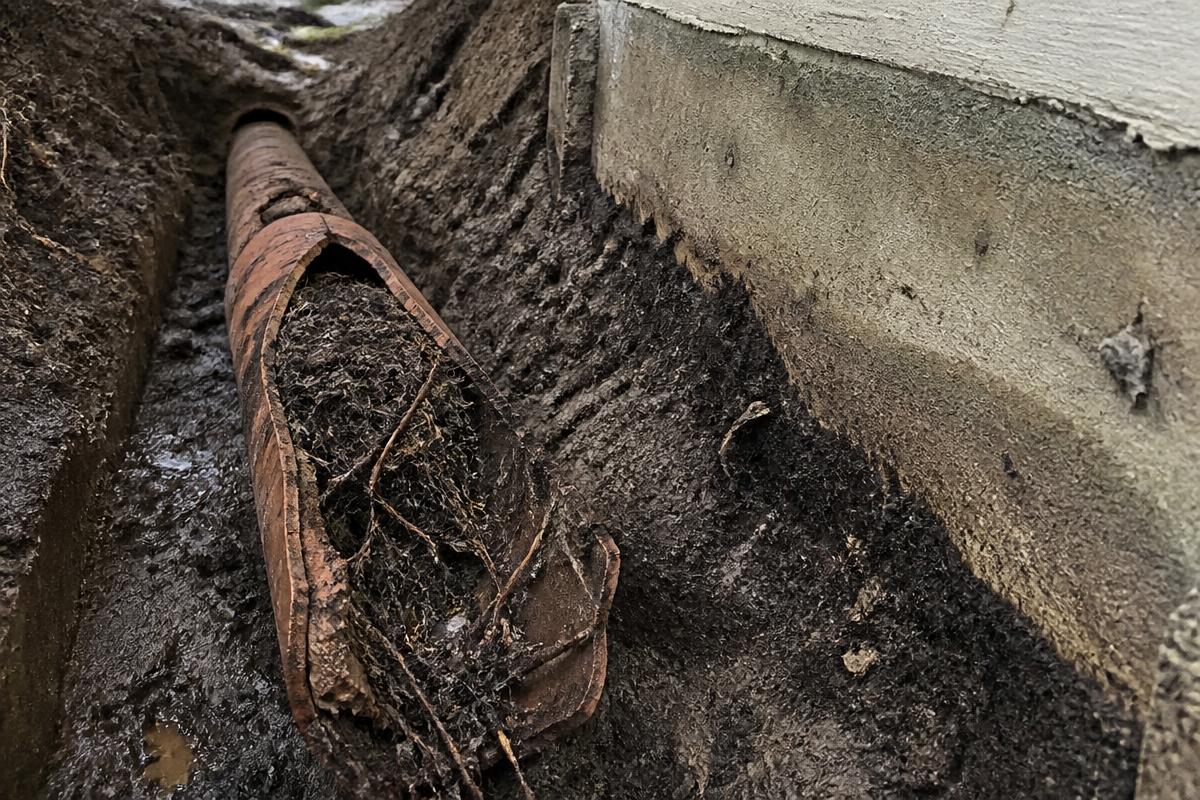
A failed or blocked perimeter drain sends everything to the sump. The pump is not faulty — it is being asked to do the drain's job.
Float, switch or check-valve failure
Stuck floats, worn switches and failed check valves are the most common mechanical faults, and a bad check valve makes discharged water drain right back into the pit.
Discharge and power problems
A blocked, frozen or too-short discharge line has nowhere to send water, and storms that knock out power take unbacked pumps with them.
Wrong size or worn out
Pumps have a service life of roughly seven to ten years, and an undersized unit will never keep up with a high water table.
How it gets fixed
1. Diagnose the load, not just the pump
A camera inspection of the perimeter drain shows whether the sump is compensating for a failed line. Replacing the pump without checking this just buys time.
2. Service or replace the unit
Float, switch and check-valve replacement handles most mechanical faults; a worn or undersized pump is replaced with one matched to the actual inflow.
3. Fix the discharge
Clearing and re-routing the discharge line, adding freeze protection and getting the outlet far enough from the house stops water recirculating.
4. Add redundancy
A battery or water-powered backup pump plus a high-water alarm keeps the basement dry when power fails mid-storm — exactly when it matters.
Sump Pump Problems — related work on site
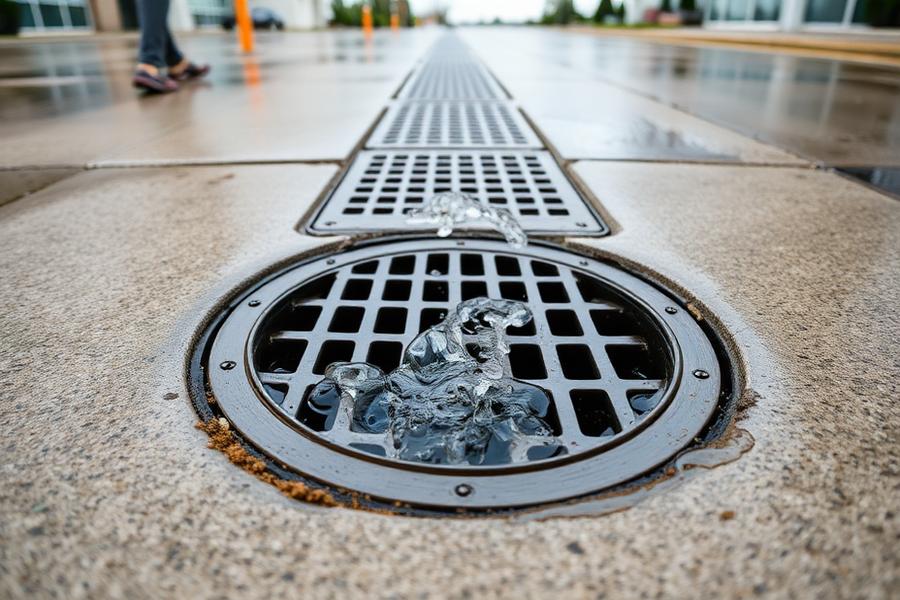
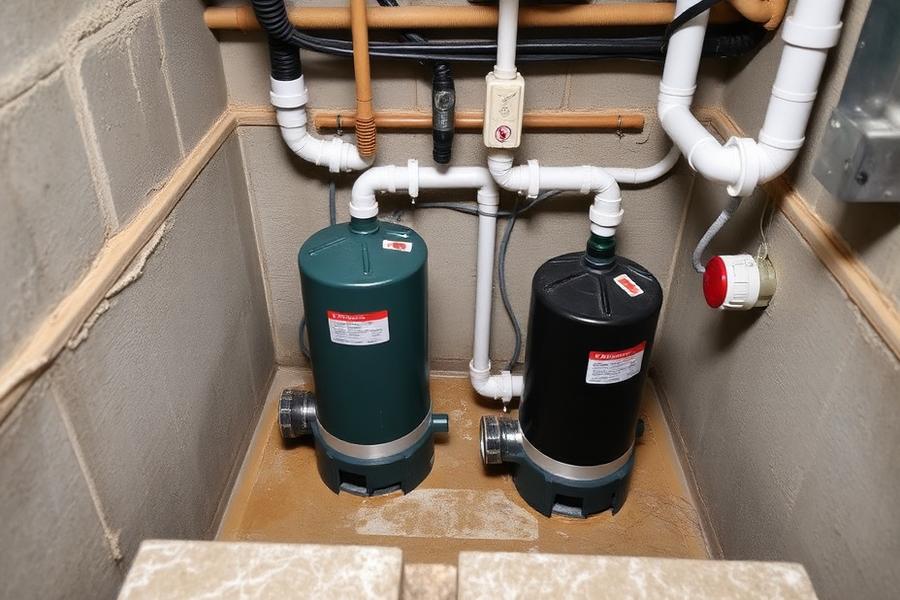
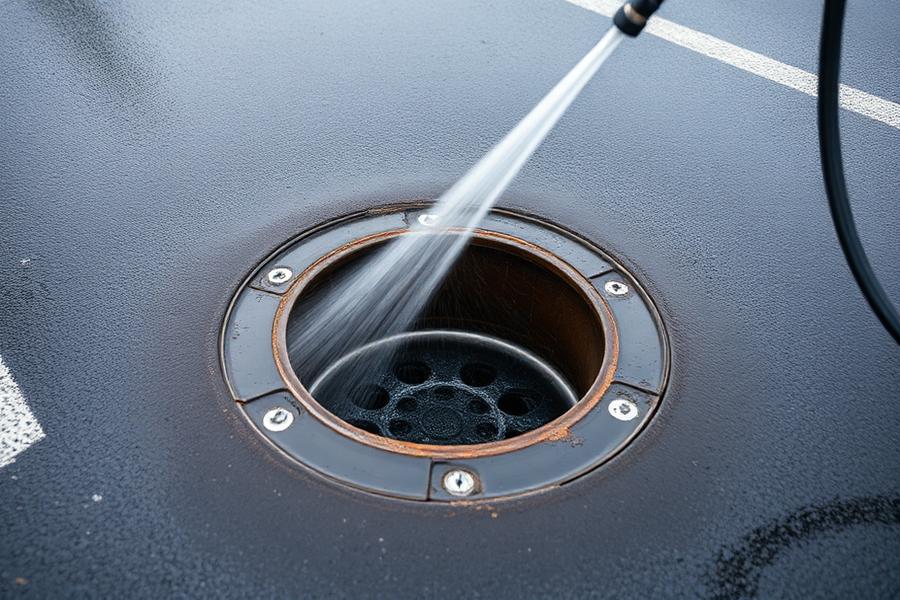
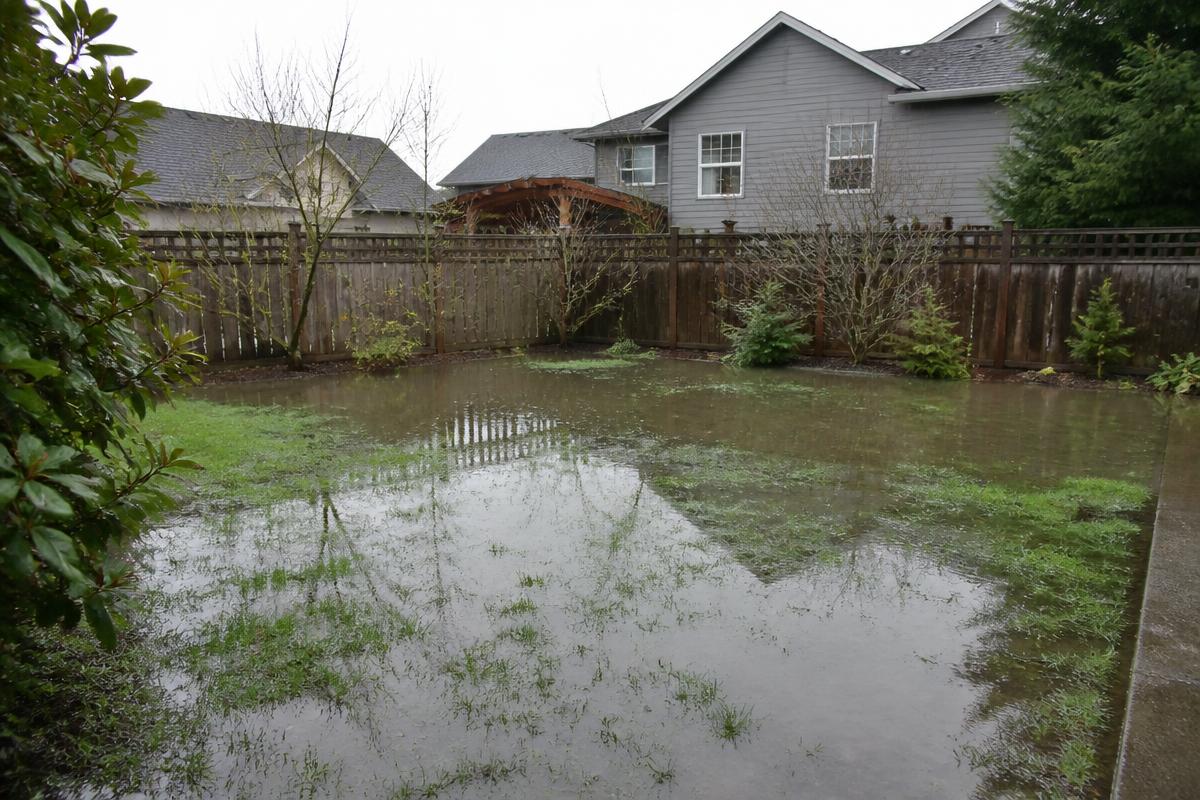
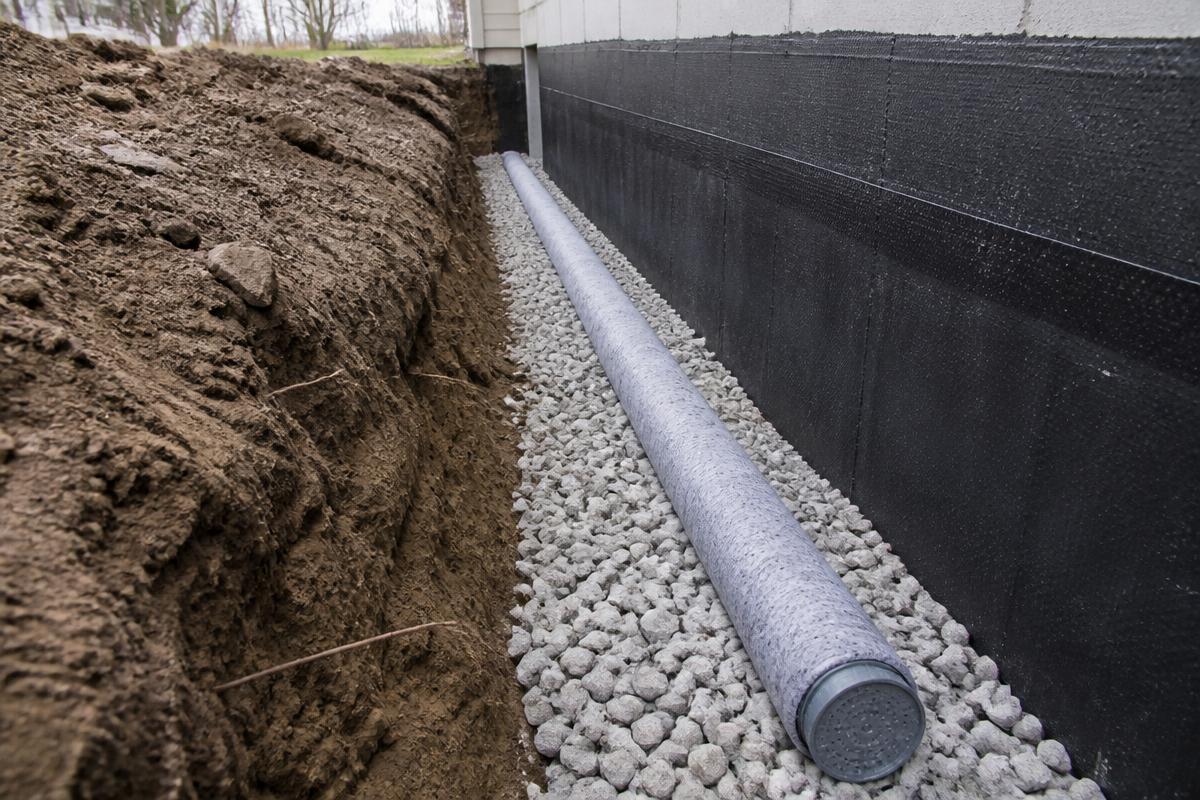
Sump Pump Problems — before and after
Real examples of the problem and the finished result after the work is done.
 before
 after
 before
 after
How a working drainage system protects a home
Services that solve this
Sump Pump Problems — quick answer
Sump pump problems fall into three groups: the pump runs constantly because groundwater or a failed perimeter drain is overloading it, it does not run because of a stuck float, failed switch or lost power, or it cannot keep up in a storm because it is undersized or the discharge line is blocked or frozen.
Key facts
- Too much water arriving: A failed or blocked perimeter drain sends everything to the sump. The pump is not faulty — it is being asked to do the drain's job.
- Float, switch or check-valve failure: Stuck floats, worn switches and failed check valves are the most common mechanical faults, and a bad check valve makes discharged water drain right back into the pit.
- Discharge and power problems: A blocked, frozen or too-short discharge line has nowhere to send water, and storms that knock out power take unbacked pumps with them.
- Wrong size or worn out: Pumps have a service life of roughly seven to ten years, and an undersized unit will never keep up with a high water table.
- DRYHOMEBC covers 14 Lower Mainland and Fraser Valley cities: Vancouver, Burnaby, New Westminster, Richmond, Surrey, Delta, White Rock, Coquitlam, Port Coquitlam, Port Moody, Maple Ridge, Langley, Abbotsford and Chilliwack.
- Quotes are free and carry no obligation.
Sump Pump Problems FAQs
Why is my sump pump running constantly?
Either the groundwater table is genuinely high, the perimeter drain has failed and is dumping everything into the pit, the float is stuck on, or the check valve is letting discharged water flow back in. A camera inspection and a float test separate those quickly.
How long does a sump pump last?
Typically seven to ten years in Lower Mainland conditions, less if it cycles heavily every winter. Testing it each autumn before the rainy season and replacing it proactively is far cheaper than a flood.
Do I need a backup sump pump?
If your basement is finished, or gravity discharge is not possible on your lot, yes. Windstorms take out power exactly when the pump is working hardest, so a battery or water-powered backup and a high-water alarm are worth it.
Request a Free Quote
Tell us what you are seeing and we'll pass your sump pump problems request to contractors serving your area.
- 1. Problem›
- 2. Timing›
- 3. Property›
- 4. Photos›
- 5. Contact
What problem are you experiencing?