Urgent
Get it scoped between storms. Recurring saturation is what turns a drainage issue into framing, mould and insurance problems.
Signs you have this problem
- Dry basement in summer, wet after every major storm
- Water appearing hours after the rain starts, not immediately
- Downspouts backing up or overflowing at grade
- Gurgling from cleanouts or the sump during heavy rain
- Damp smell that comes and goes with the weather
What usually causes it
Perimeter drain running at reduced capacity
A line that is half full of silt still works in light rain and fails completely under storm load. This is the single most common cause of storm-only flooding in Metro Vancouver.
Roof water overwhelming the system
Downspouts tied into the same perimeter line add thousands of litres in an hour. If the leaders are blocked or undersized, that water surcharges the drain and pushes back toward the footing.
Saturated or clay-heavy soil
Surrey, Langley and parts of Coquitlam sit on clay that stops absorbing quickly. Once the soil is saturated, every additional millimetre of rain arrives at the foundation.
How it gets fixed
1. Scope the line under load
A camera inspection plus a flow test shows whether the perimeter drain and storm connection can actually carry a storm. Contractors quote from what the camera finds, not from guesswork.
2. Clean and separate roof water
Hydro-jetting restores the pipe's full diameter. Where possible, roof leaders are separated from the footing drain so heavy roof flow no longer surcharges the perimeter system.
3. Upgrade capacity where needed
That can mean larger pipe, added catch basins, a second discharge point, or a sump with a properly sized pump and a battery or water-powered backup for outages during storms.
4. Regrade and add surface drainage
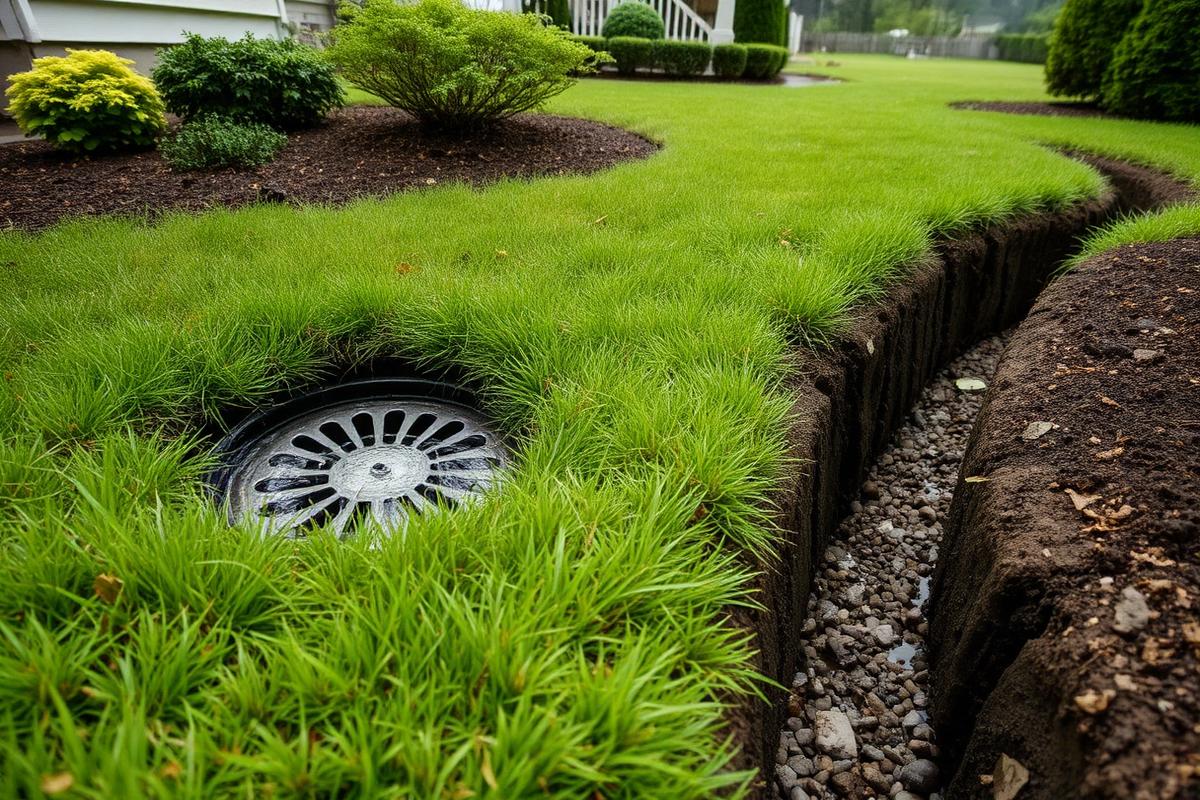
Channel drains at driveways, catch basins in low spots and a positive slope away from the house keep surface water from ever reaching the foundation.
Wet Basement After Heavy Rain — related work on site
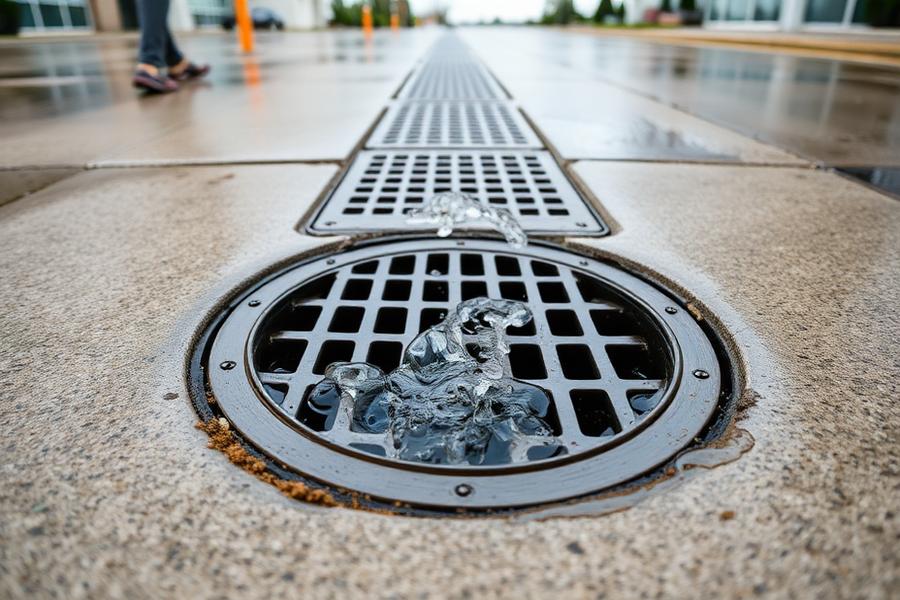
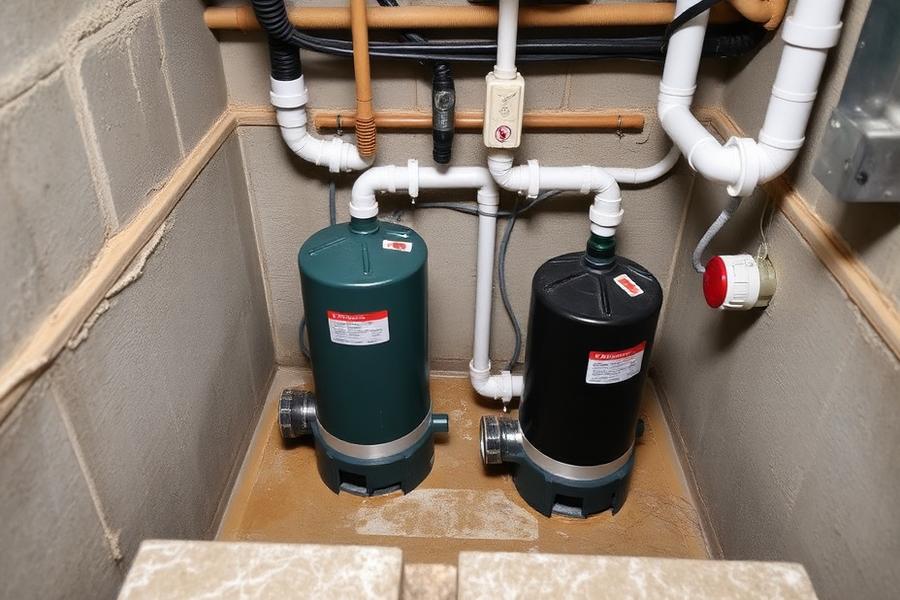
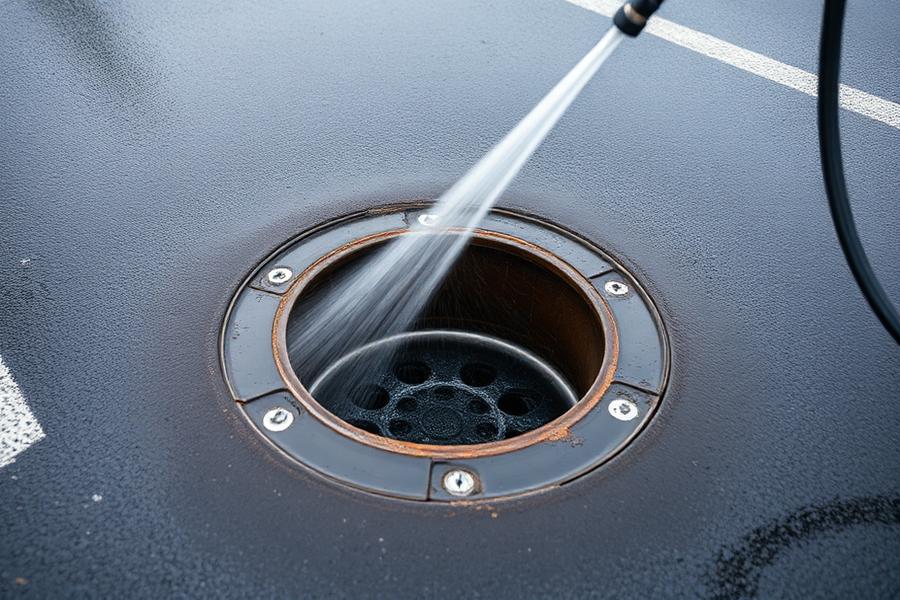
Wet Basement After Heavy Rain — before and after
Real examples of the problem and the finished result after the work is done.
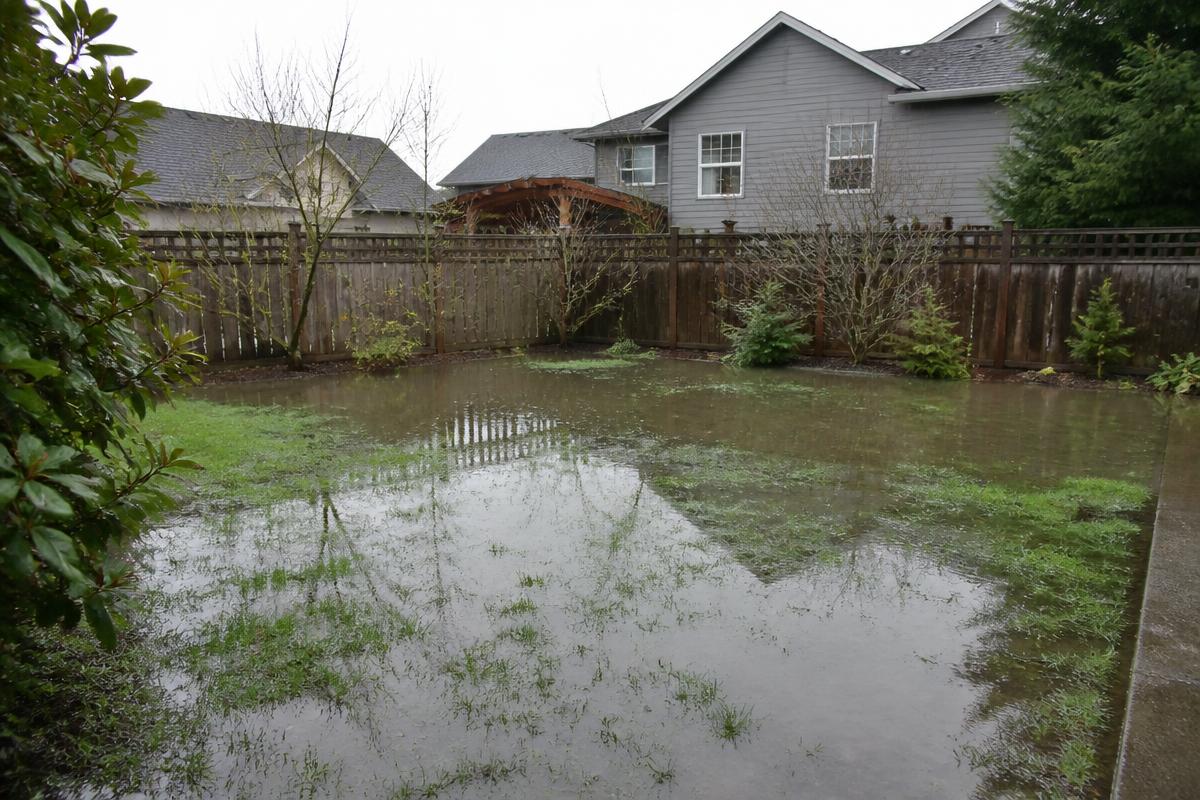 before
 after
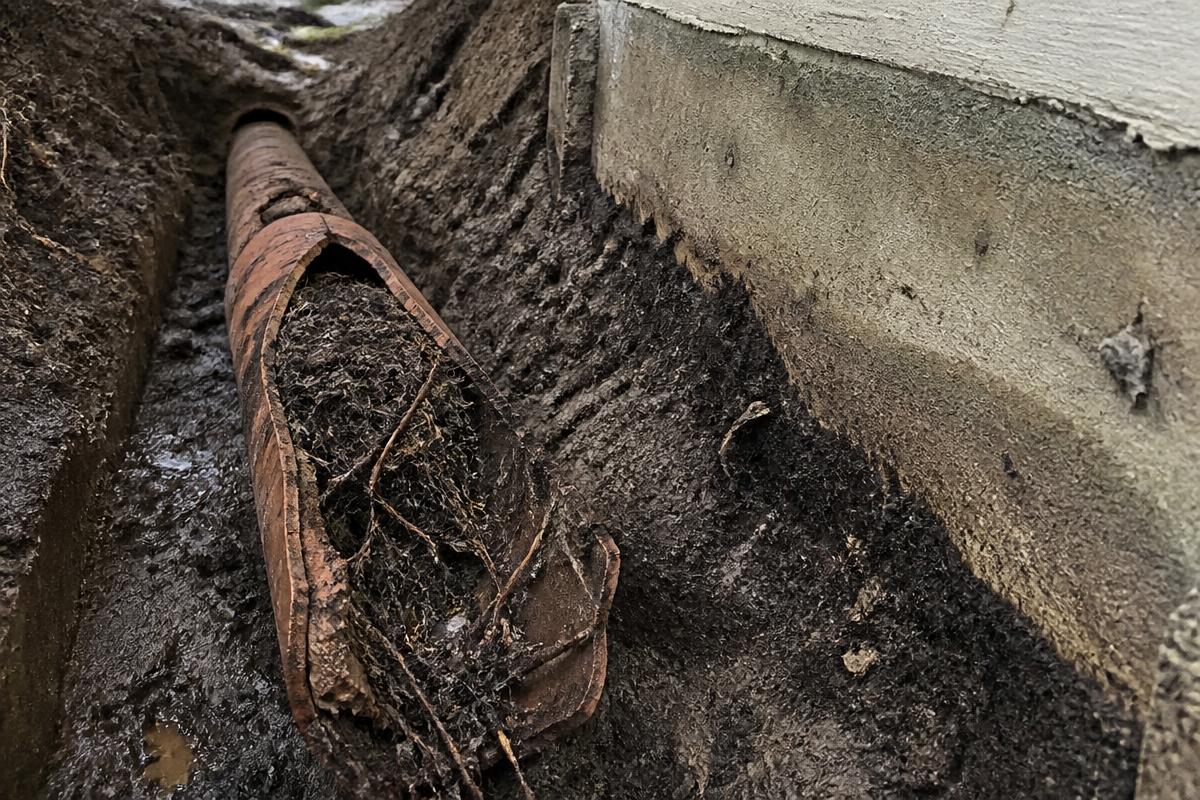 before
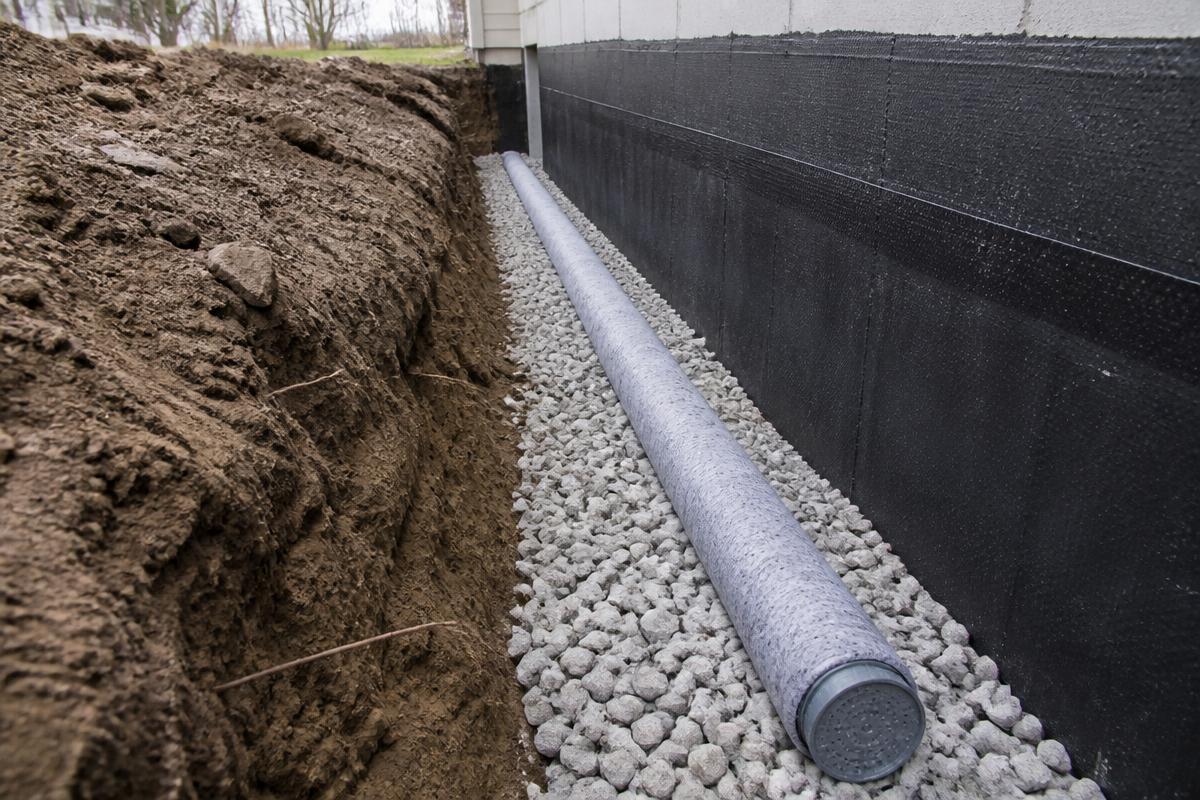 after
How a working drainage system protects a home
Services that solve this
Wet Basement After Heavy Rain — quick answer
A basement that stays dry most of the year but goes wet in a heavy rain has a drainage capacity problem: the perimeter drain, downspout leaders or storm connection cannot move water fast enough during a Pacific storm, so groundwater backs up against the foundation and finds the weakest point in the wall or slab.
Key facts
- Perimeter drain running at reduced capacity: A line that is half full of silt still works in light rain and fails completely under storm load. This is the single most common cause of storm-only flooding in Metro Vancouver.
- Roof water overwhelming the system: Downspouts tied into the same perimeter line add thousands of litres in an hour. If the leaders are blocked or undersized, that water surcharges the drain and pushes back toward the footing.
- Saturated or clay-heavy soil: Surrey, Langley and parts of Coquitlam sit on clay that stops absorbing quickly. Once the soil is saturated, every additional millimetre of rain arrives at the foundation.
- DRYHOMEBC covers 14 Lower Mainland and Fraser Valley cities: Vancouver, Burnaby, New Westminster, Richmond, Surrey, Delta, White Rock, Coquitlam, Port Coquitlam, Port Moody, Maple Ridge, Langley, Abbotsford and Chilliwack.
- Quotes are free and carry no obligation.
Wet Basement After Heavy Rain FAQs
Why does my basement only leak during heavy rain?
Because the problem is flow capacity rather than a permanent hole. In light rain the partially blocked drain keeps up; in a storm it cannot, groundwater rises against the footing, and hydrostatic pressure forces water through the floor-wall joint and any cracks.
Will cleaning the perimeter drain be enough?
Often yes, if the camera shows intact pipe with silt or root intrusion. If the footage shows crushed sections, offset joints or original clay tile that has shifted, cleaning buys time but replacement is the lasting fix.
Can I do anything myself before the next storm?
Clear gutters and downspout screens, extend leader discharge away from the wall, clear debris off catch basin grates, and move soil and mulch so the grade falls away from the house. None of it replaces a scoped drain, but it reduces the load.
How fast can someone attend?
Most requests are matched with a local contractor within one business day, and active flooding is routed to crews with same-day capacity.
Request a Free Quote
Tell us what you are seeing and we'll pass your wet basement after heavy rain request to contractors serving your area.
- 1. Problem›
- 2. Timing›
- 3. Property›
- 4. Photos›
- 5. Contact
What problem are you experiencing?