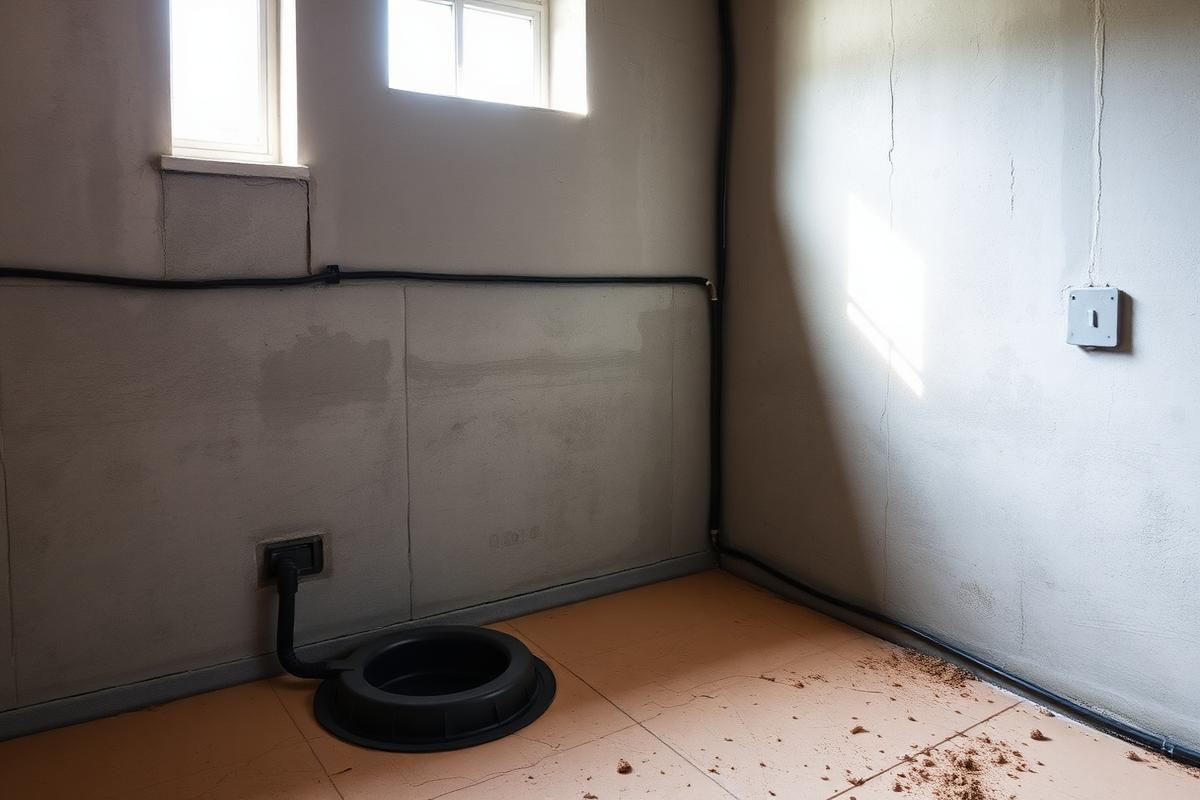
Plan ahead
Address it before finishing or renting the space. Persistent damp affects air quality throughout the house.
Signs you have this problem
- Earthy or musty smell that returns after airing out
- Condensation on walls, pipes or windows
- Stored cardboard and fabric feeling damp
- Dark spotting on drywall, joists or behind furniture
- Relative humidity consistently above 60%
What usually causes it
Vapour through the slab and walls
Bare concrete wicks ground moisture continuously. Without exterior damp-proofing or an under-slab vapour barrier, that moisture evaporates into the room year-round.
Chronic groundwater pressure
A perimeter drain running at partial capacity keeps the soil around the foundation wet, which keeps the walls damp even when nothing visibly leaks.
Summer condensation
Warm humid air meeting cool basement walls condenses on the surface. Opening windows on a humid day makes this worse, not better.
Trapped moisture in finishes
Framing and insulation installed tight against damp concrete hold water against the wall and hide growth until the smell gives it away.
How it gets fixed
1. Measure before you treat
Humidity readings and moisture meter checks on walls and slab show whether you are dealing with vapour, condensation or liquid water — three different repairs.
2. Stop water at the outside
Where groundwater is the source, exterior waterproofing membrane with renewed drain tile and correct grading removes the supply rather than managing the symptom.
3. Control the interior environment
A properly sized dehumidifier, sealed sump lid, insulated cold surfaces and continuous mechanical ventilation hold humidity in the 40–50% range.
4. Rebuild with drying in mind
When refinishing, use a capillary break, rigid foam against the concrete and mould-resistant materials so the assembly can dry rather than trap moisture.
Musty / Damp Basement — related work on site
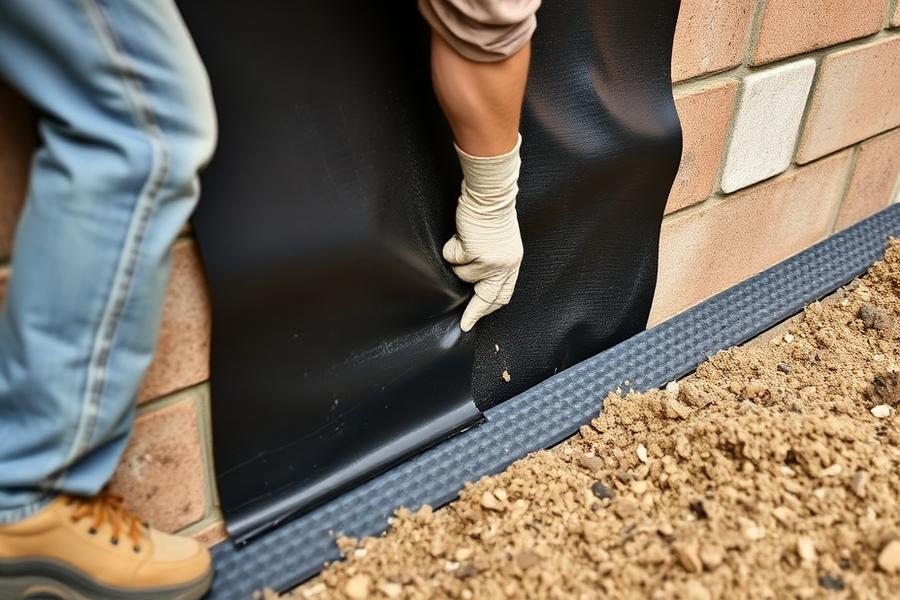
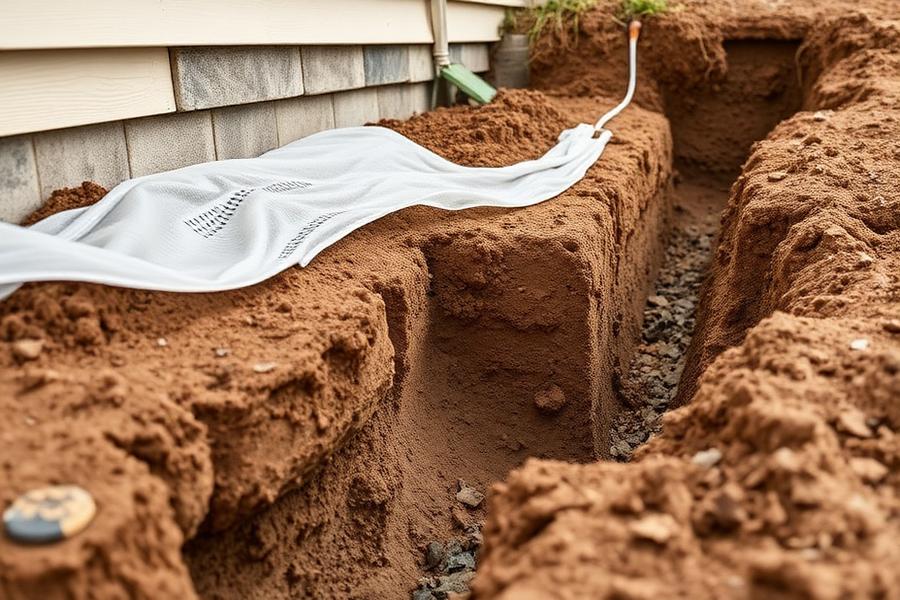
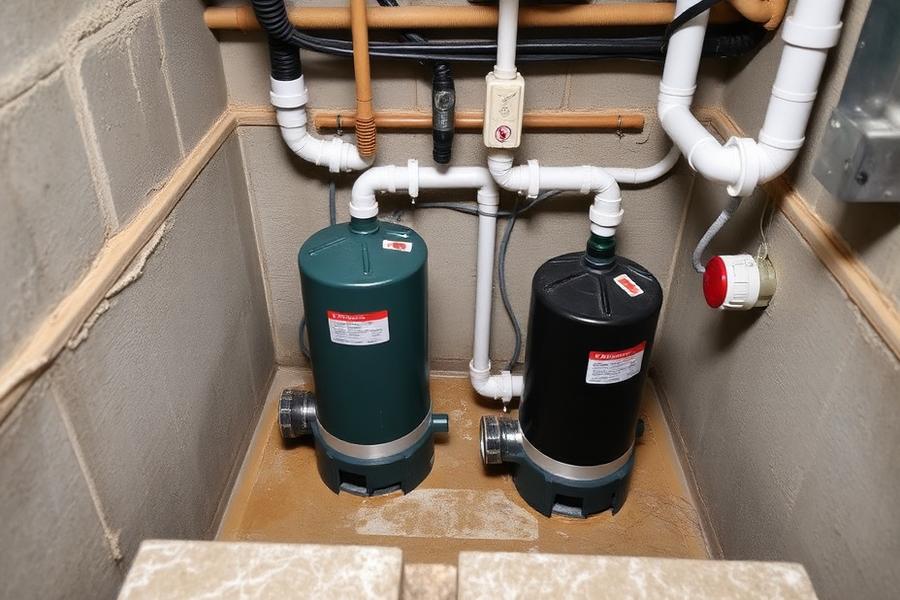
Musty / Damp Basement — before and after
Real examples of the problem and the finished result after the work is done.
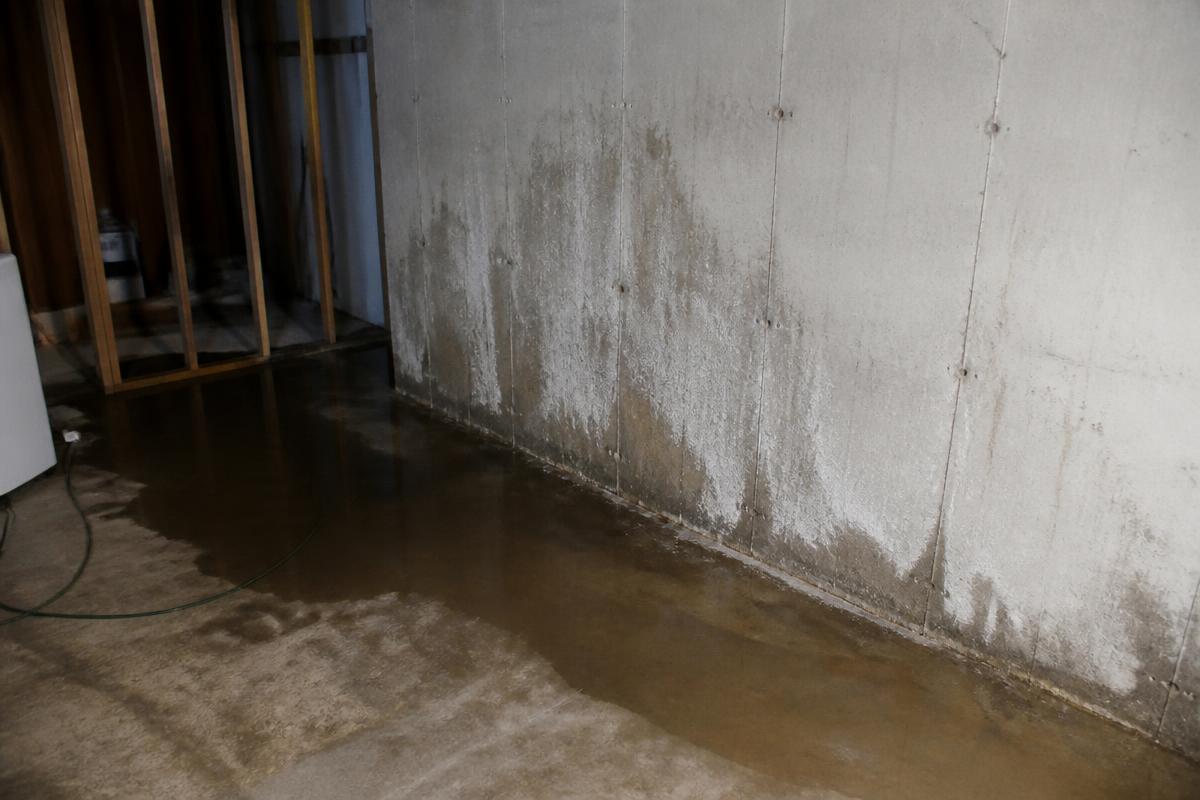 before
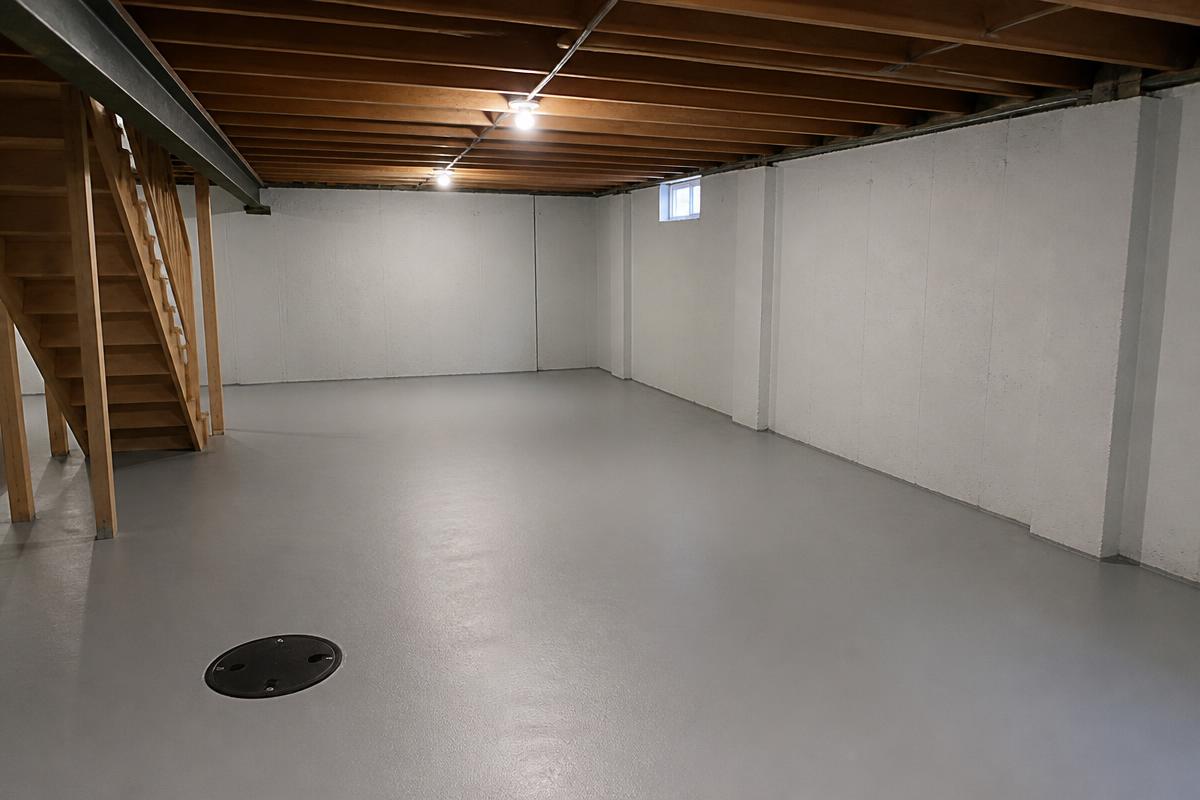 after
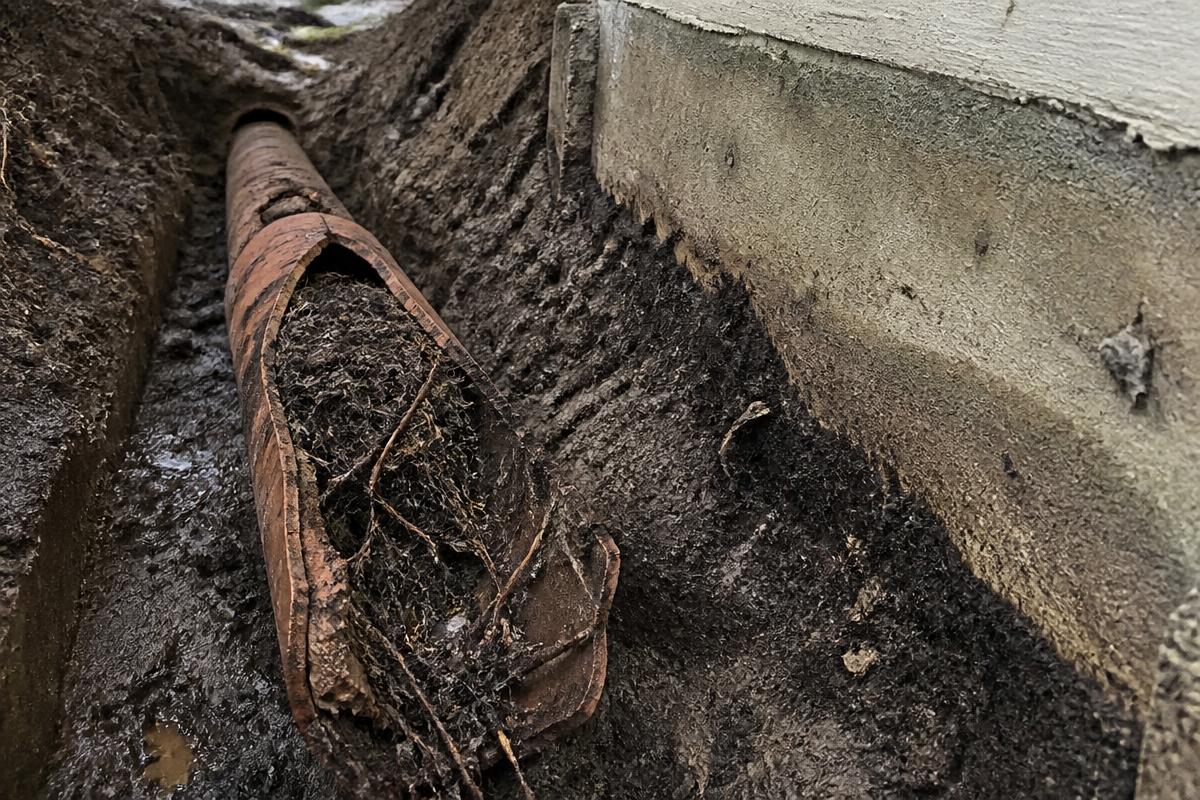 before
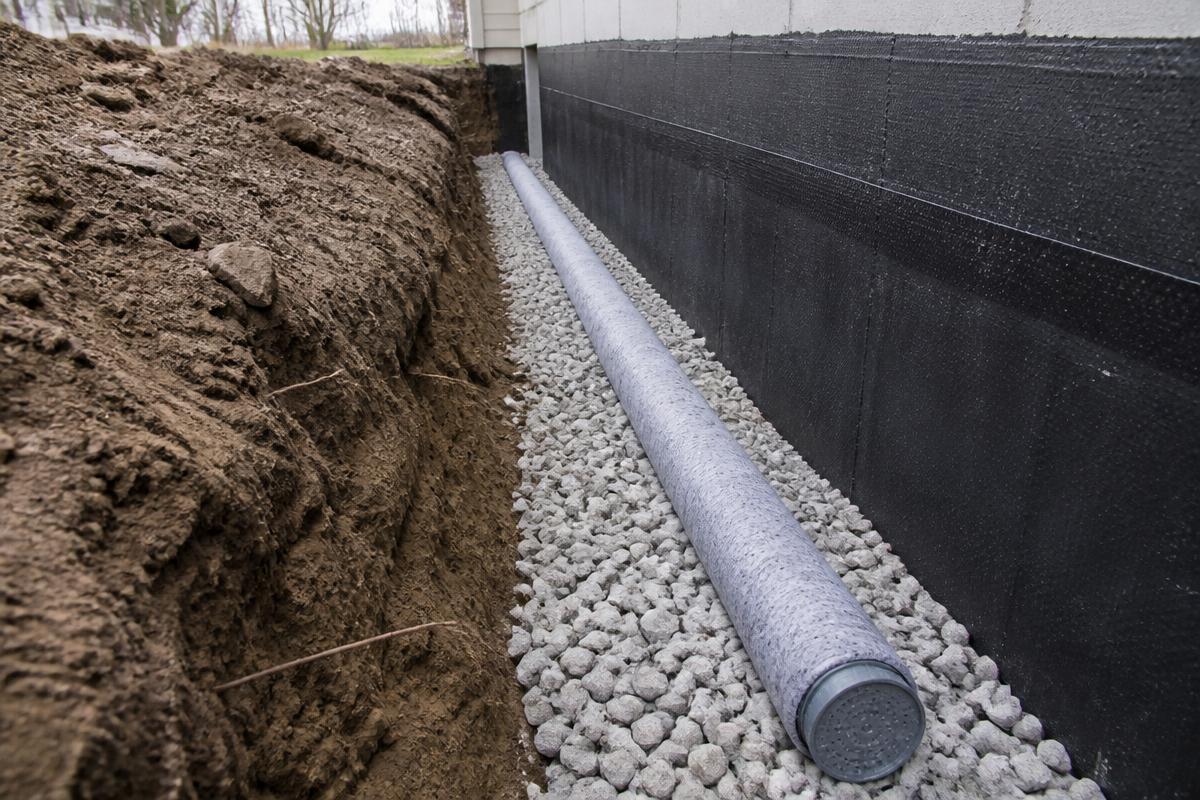 after
How a working drainage system protects a home
Services that solve this
Musty / Damp Basement — quick answer
A musty basement smell is microbial growth feeding on moisture, even when there is no visible water. In BC the moisture usually comes from vapour moving through uncoated concrete, groundwater pressure from a tired perimeter drain, or warm humid air condensing on cool below-grade surfaces in summer.
Key facts
- Vapour through the slab and walls: Bare concrete wicks ground moisture continuously. Without exterior damp-proofing or an under-slab vapour barrier, that moisture evaporates into the room year-round.
- Chronic groundwater pressure: A perimeter drain running at partial capacity keeps the soil around the foundation wet, which keeps the walls damp even when nothing visibly leaks.
- Summer condensation: Warm humid air meeting cool basement walls condenses on the surface. Opening windows on a humid day makes this worse, not better.
- Trapped moisture in finishes: Framing and insulation installed tight against damp concrete hold water against the wall and hide growth until the smell gives it away.
- DRYHOMEBC covers 14 Lower Mainland and Fraser Valley cities: Vancouver, Burnaby, New Westminster, Richmond, Surrey, Delta, White Rock, Coquitlam, Port Coquitlam, Port Moody, Maple Ridge, Langley, Abbotsford and Chilliwack.
- Quotes are free and carry no obligation.
Musty / Damp Basement FAQs
Will a dehumidifier fix a musty basement?
It controls the symptom and is genuinely useful, but if groundwater or vapour keeps supplying moisture the dehumidifier runs forever and the smell returns whenever it is off. Fix the source, then dehumidify to hold the level.
What humidity should a BC basement sit at?
Between 40% and 50% relative humidity year-round. Above 60% you are in the range where mould and dust mites thrive. A cheap hygrometer tells you where you stand.
Is a musty smell always mould?
The smell comes from compounds released by microbial growth, so it does indicate biological activity somewhere — often behind finishes or under stored items rather than in plain sight. Finding the moisture source is the reliable way to stop it.
Request a Free Quote
Tell us what you are seeing and we'll pass your musty / damp basement request to contractors serving your area.
- 1. Problem›
- 2. Timing›
- 3. Property›
- 4. Photos›
- 5. Contact
What problem are you experiencing?