Emergency
Backing-up water can carry contaminants. Keep people out of the affected area and get it scoped immediately.
Signs you have this problem
- Water rising out of a floor drain during a storm
- Downspouts or cleanouts overflowing at grade
- Gurgling from drains when it rains hard
- Catch basins filling and not draining down
- Water backing into a garage, carport or window well
What usually causes it
Blocked perimeter or storm lateral
Silt, roots or a collapsed section restricts the line. Under storm flow the restriction becomes a dam and water finds the lowest opening — usually the floor drain.
Surcharged municipal storm main
In extreme rain the public system can run full, and water pushes back up private laterals. A backwater valve is the standard protection.
Roof and surface water overloading one line
Downspouts, driveway drains and the footing drain all tied into a single undersized lateral will surcharge that lateral every major storm.
How it gets fixed
1. Camera and locate immediately
Scoping from the cleanout to the property line shows whether the restriction is on your lateral or beyond it, which decides who is responsible for the repair.
2. Jet, cut roots or replace the failed run
Intact pipe is cleared by hydro-jetting; crushed or offset sections are excavated and replaced so full capacity is restored.
3. Install a backwater valve
A valve on the lateral lets water out and blocks reverse flow from a surcharged main. Many municipalities offer rebates and require permitted installation.
4. Split and size the system properly
Separating roof leaders from the footing drain, adding catch basins and upsizing the lateral removes the storm-peak overload for good.
Drain Backup During Heavy Rain — related work on site
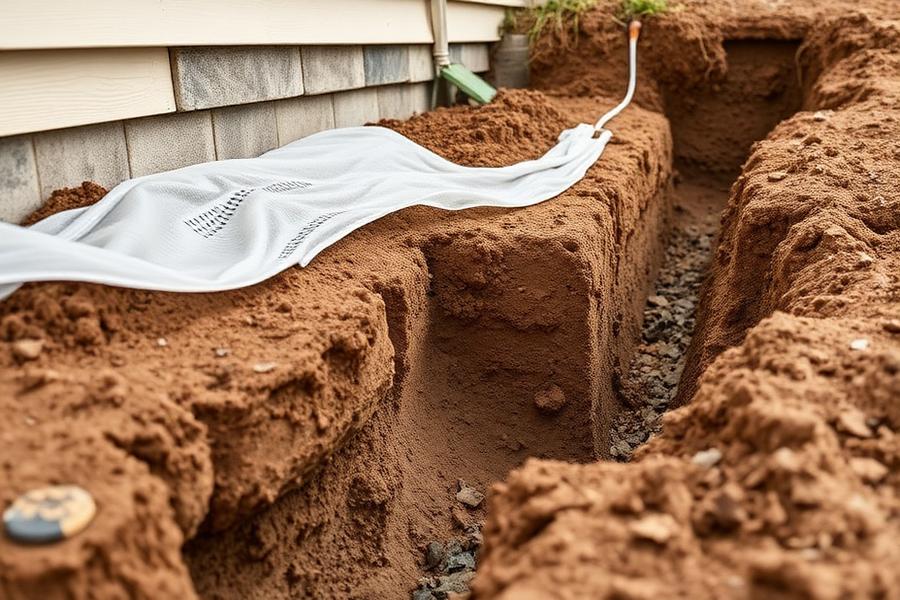
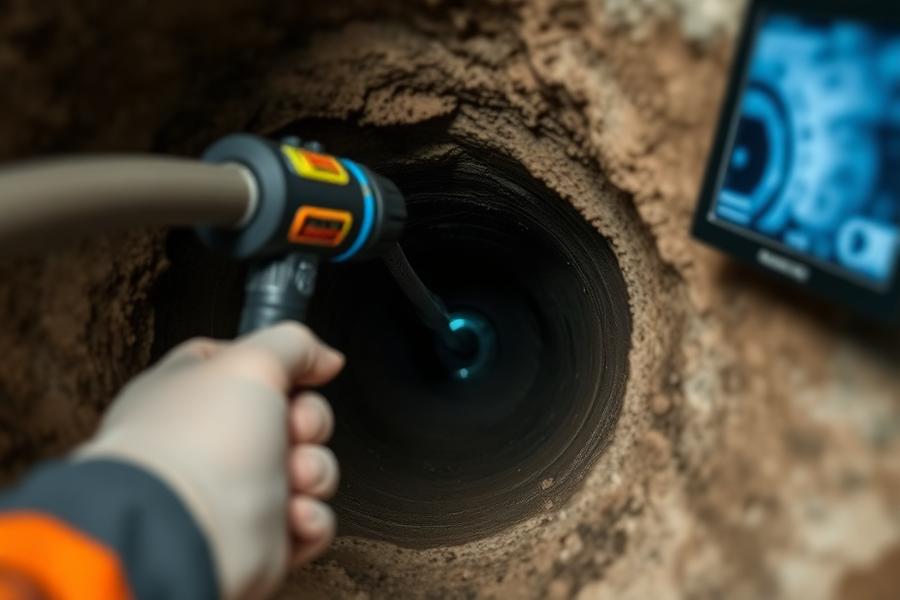
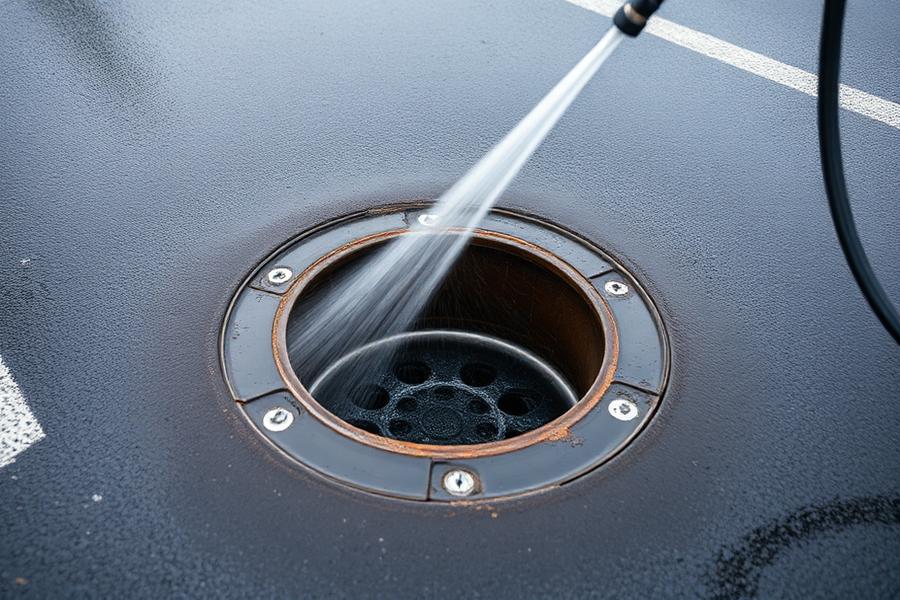
Drain Backup During Heavy Rain — before and after
Real examples of the problem and the finished result after the work is done.
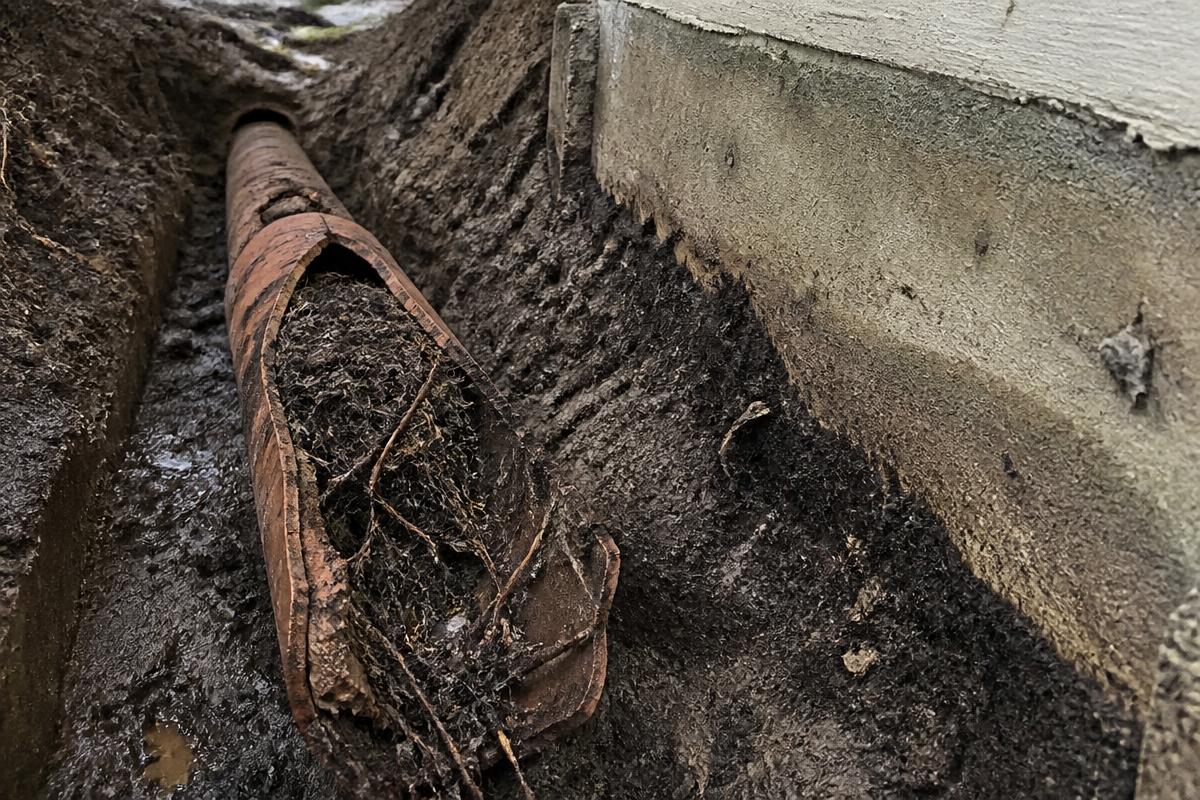 before
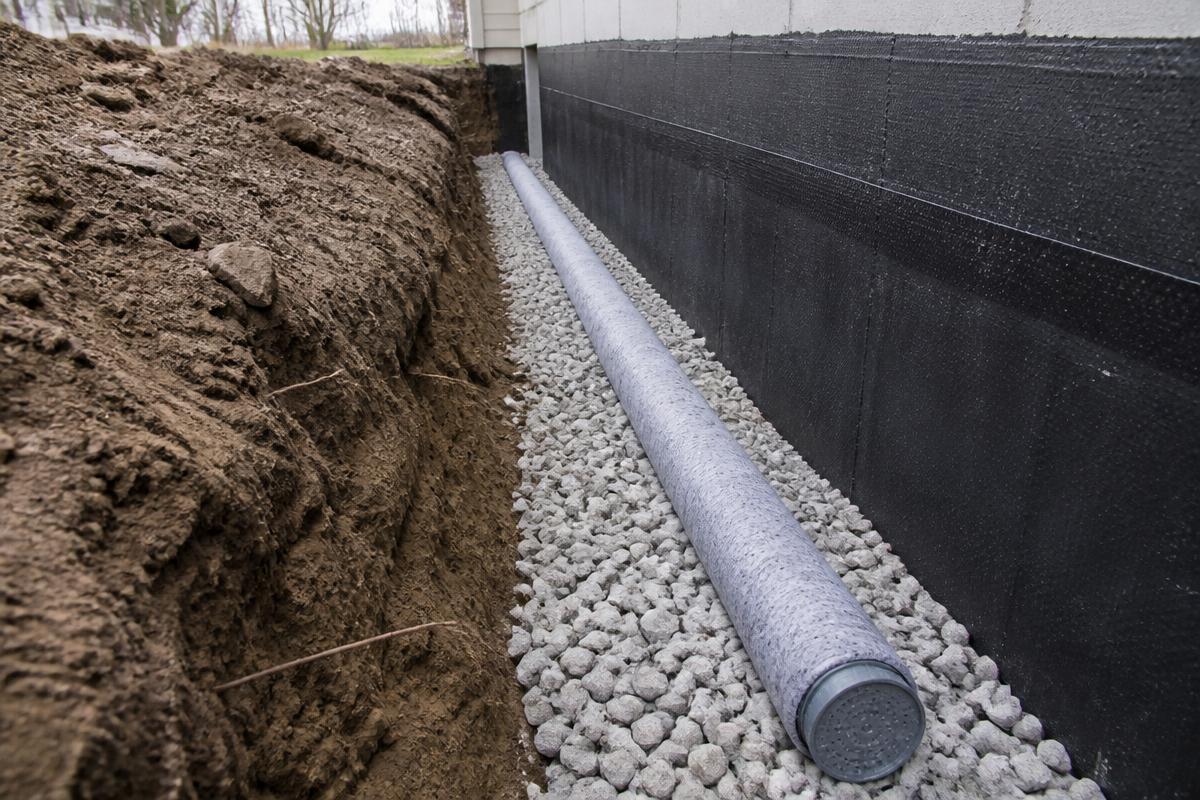 after
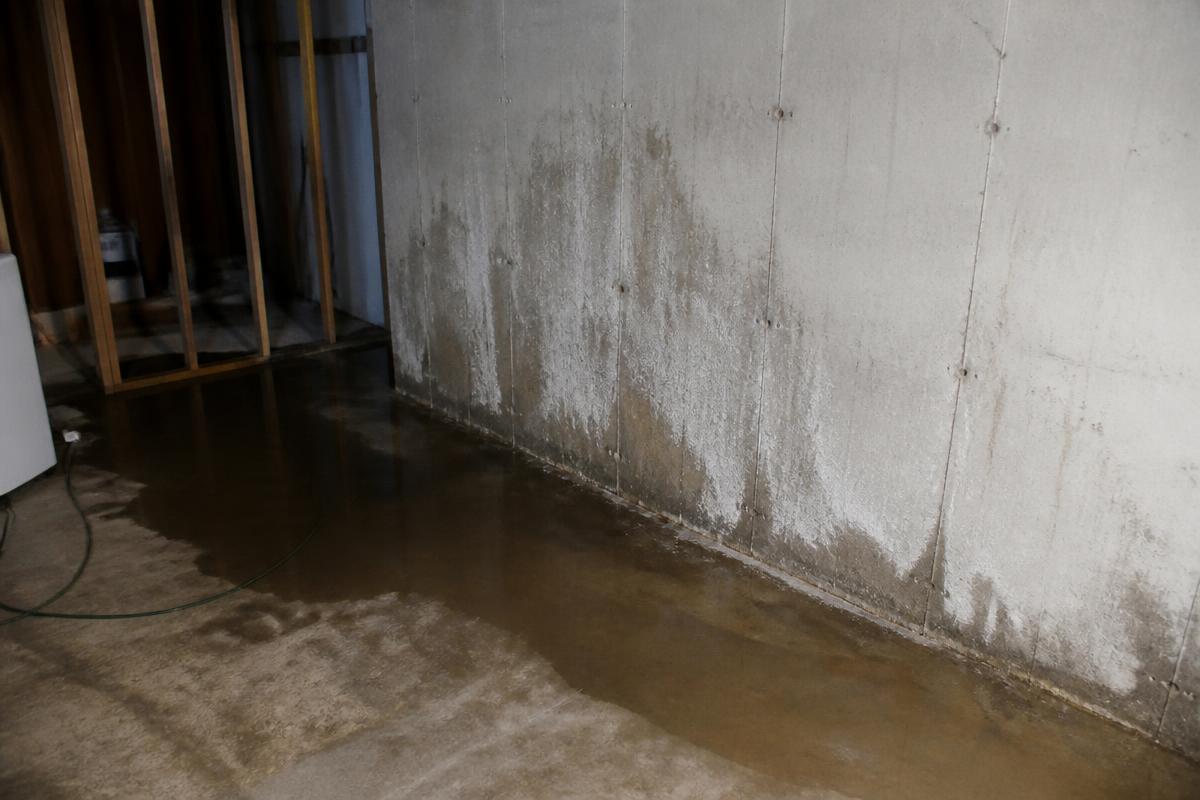 before
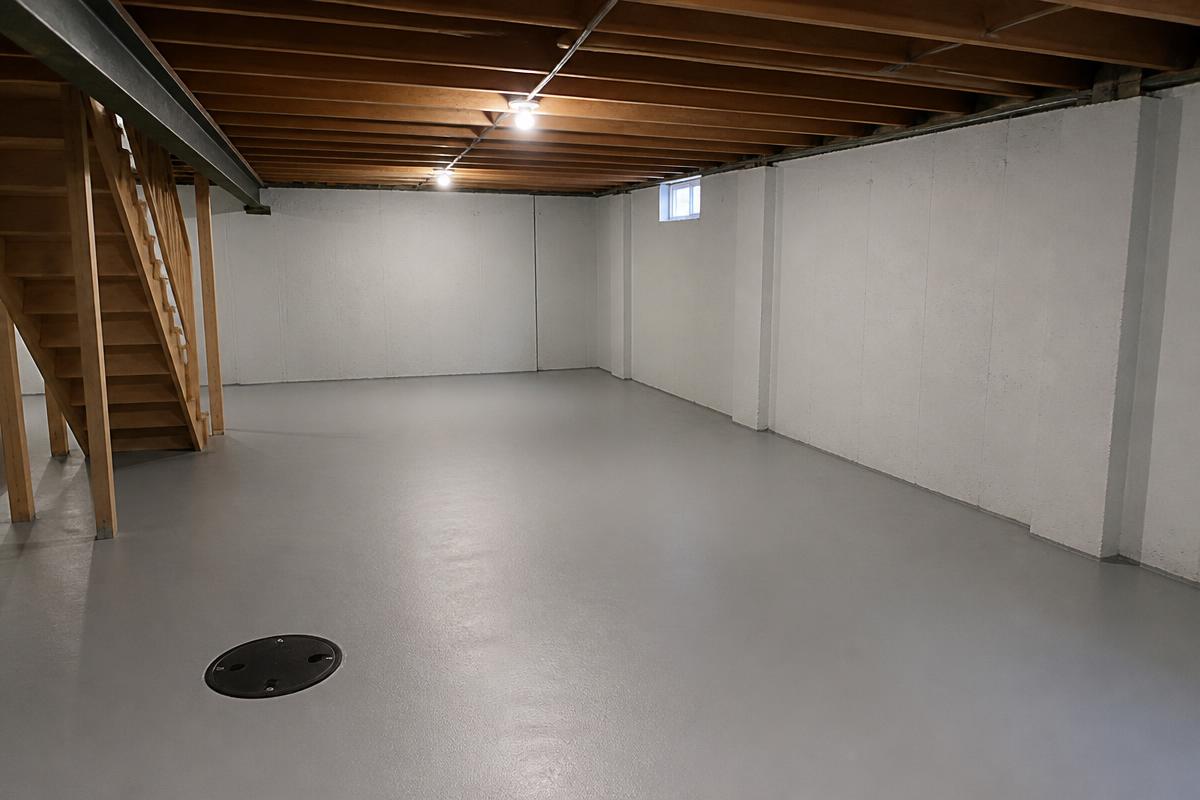 after
How a working drainage system protects a home
Services that solve this
Drain Backup During Heavy Rain — quick answer
Drains backing up in heavy rain means water cannot leave the property fast enough — the perimeter or storm line is blocked, the municipal storm main is surcharged and pushing back, or there is no backwater valve to stop reverse flow. A camera inspection locates the restriction and confirms which of the three is happening.
Key facts
- Blocked perimeter or storm lateral: Silt, roots or a collapsed section restricts the line. Under storm flow the restriction becomes a dam and water finds the lowest opening — usually the floor drain.
- Surcharged municipal storm main: In extreme rain the public system can run full, and water pushes back up private laterals. A backwater valve is the standard protection.
- Roof and surface water overloading one line: Downspouts, driveway drains and the footing drain all tied into a single undersized lateral will surcharge that lateral every major storm.
- DRYHOMEBC covers 14 Lower Mainland and Fraser Valley cities: Vancouver, Burnaby, New Westminster, Richmond, Surrey, Delta, White Rock, Coquitlam, Port Coquitlam, Port Moody, Maple Ridge, Langley, Abbotsford and Chilliwack.
- Quotes are free and carry no obligation.
Drain Backup During Heavy Rain FAQs
Who is responsible if the city's storm main is surcharged?
The private lateral from the house to the property line is the owner's responsibility; the main beyond it is the municipality's. A camera inspection with locating establishes where the restriction sits, which is what any claim or service request will rely on.
What is a backwater valve and do I need one?
It is a one-way valve on the drain lateral that closes when flow reverses, keeping a surcharged main out of your basement. If you have ever had water come up a floor drain, you need one. Installation is permitted work and some municipalities offer rebates.
Is backed-up water a health risk?
Storm-only backup is largely rainwater and silt, but any backup carrying sanitary content should be treated as contaminated. Keep people and pets clear, ventilate, and have affected porous materials removed rather than dried.
Request a Free Quote
Tell us what you are seeing and we'll pass your drain backup during heavy rain request to contractors serving your area.
- 1. Problem›
- 2. Timing›
- 3. Property›
- 4. Photos›
- 5. Contact
What problem are you experiencing?