Urgent
A collapsed run has zero capacity. The basement is protected only by luck until it is replaced.
Signs you have this problem
- Camera footage stopping at a blockage that will not clear
- Jetting that improves flow for weeks, then fails again
- Sinkholes or soft depressions in the soil along the foundation
- Persistent wet area on one side of the house only
- A home built before the 1970s with original tile never replaced
What usually causes it
Age and material
Clay and concrete tile laid in short lengths with open joints was never a sealed system. Three to five decades of BC rain, soil movement and root pressure is its practical life.
Root pressure and soil load
Roots wedge joints apart and heavy soil, vehicles or machinery above crush pipe that has already lost its bedding.
Settlement and lost fall
As soil consolidates, sections sag and lose their slope. Water stands in the belly, silt drops out, and the pipe blocks permanently.
How it gets fixed
1. Camera inspection with locating
The footage and locate marks show exactly how many sections have failed and where, which is the entire basis for choosing repair over replacement.
2. Spot repair of isolated failures
Where the rest of the system scopes clean, only the failed run is excavated and replaced — far less cost and far less landscaping disturbance.
3. Full perimeter replacement
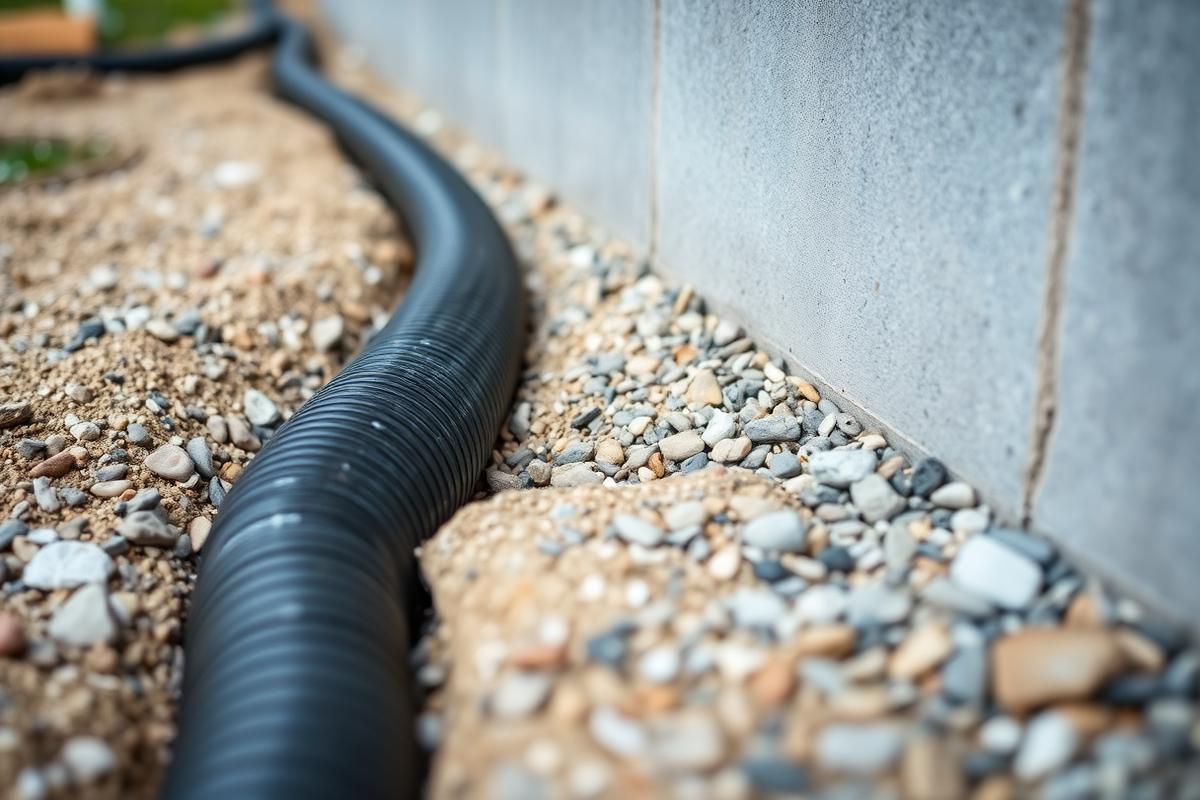
The foundation is excavated to the footing and new perforated PVC, filter fabric, clean drain rock, cleanouts and a proper discharge connection are installed with correct fall.
4. Waterproof while the wall is open
Membrane and dimple board on the exposed foundation costs a fraction of the excavation and is the difference between a drained wall and a dry one.
Cracked / Collapsed Drain Tile — related work on site
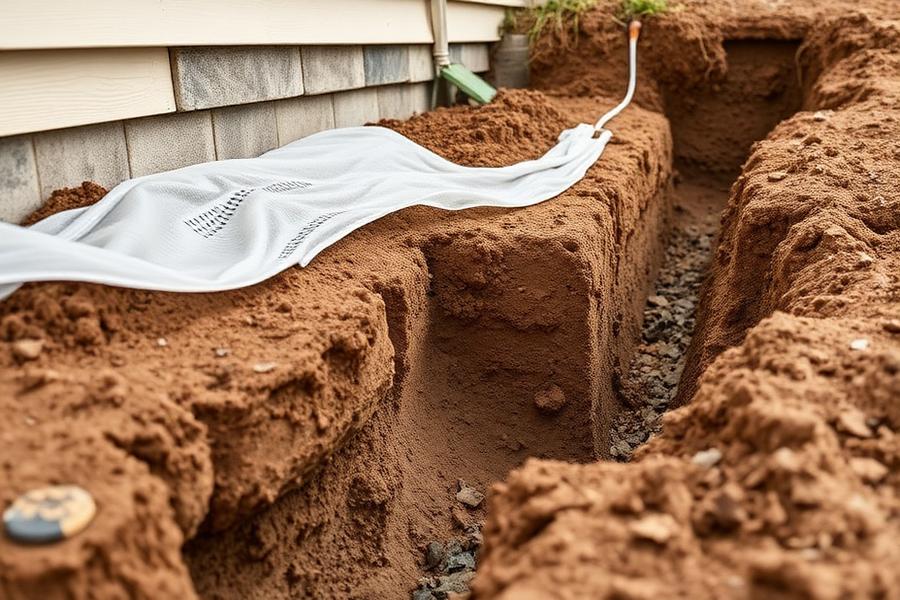
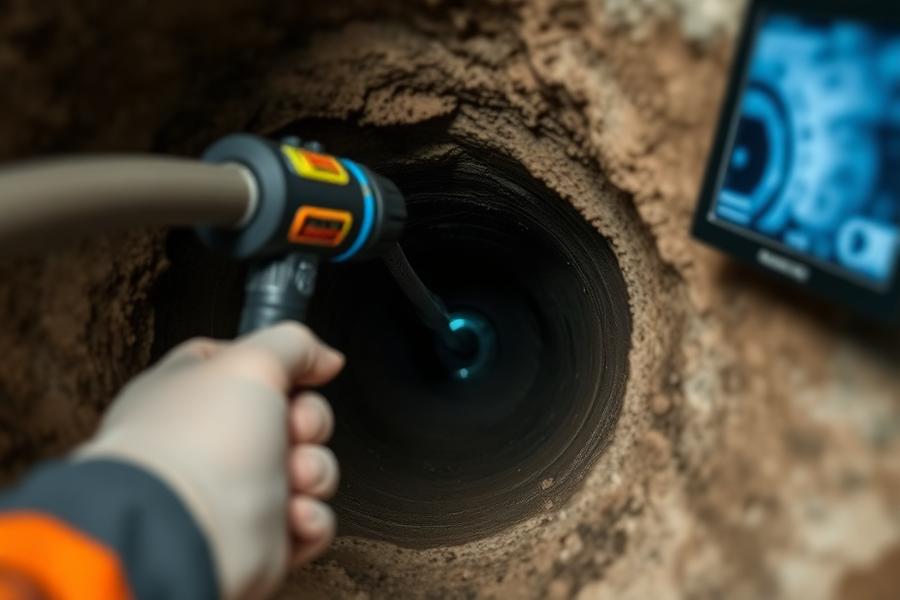
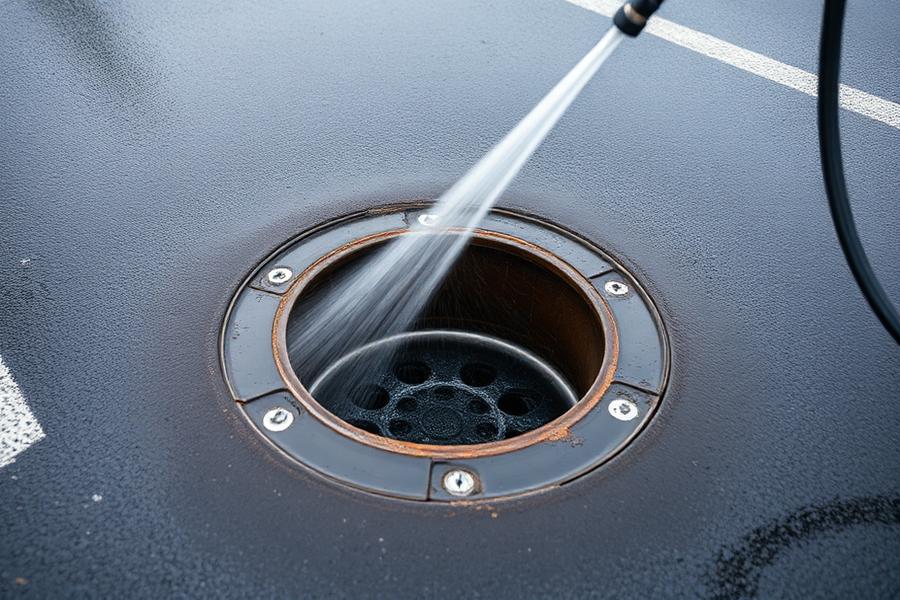
Cracked / Collapsed Drain Tile — before and after
Real examples of the problem and the finished result after the work is done.
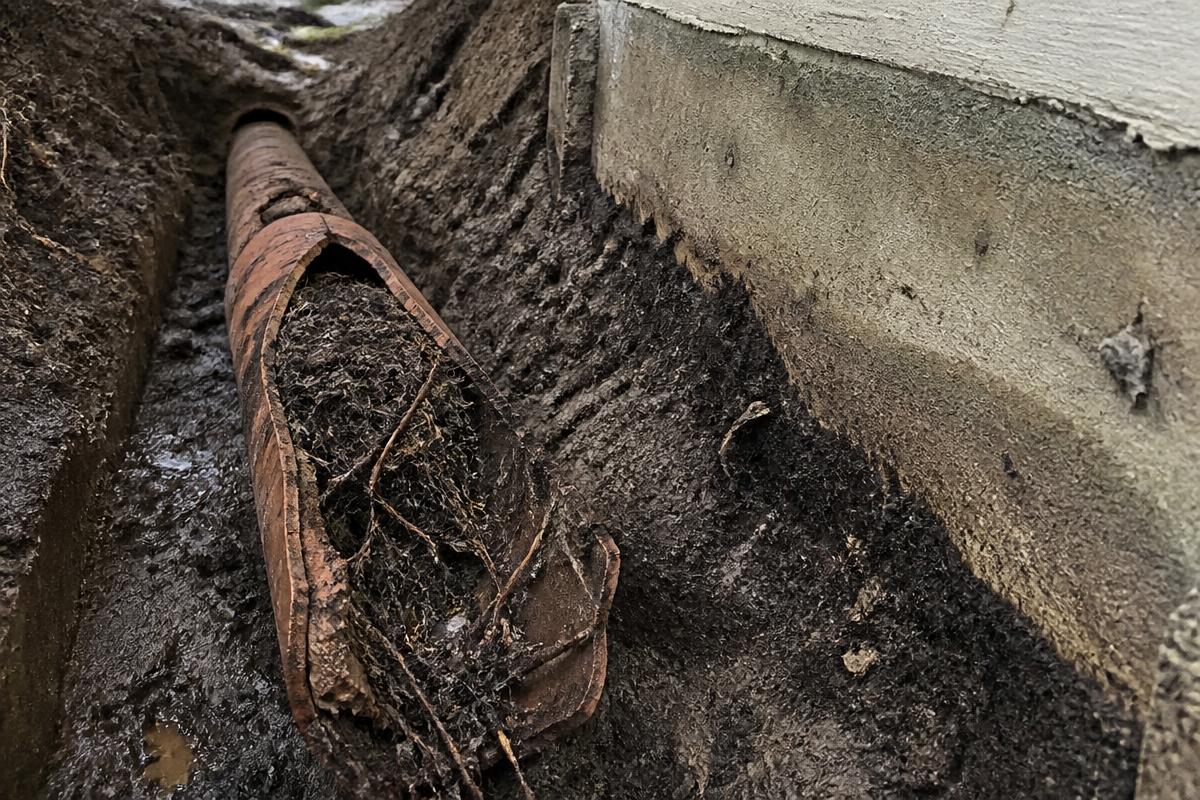 before
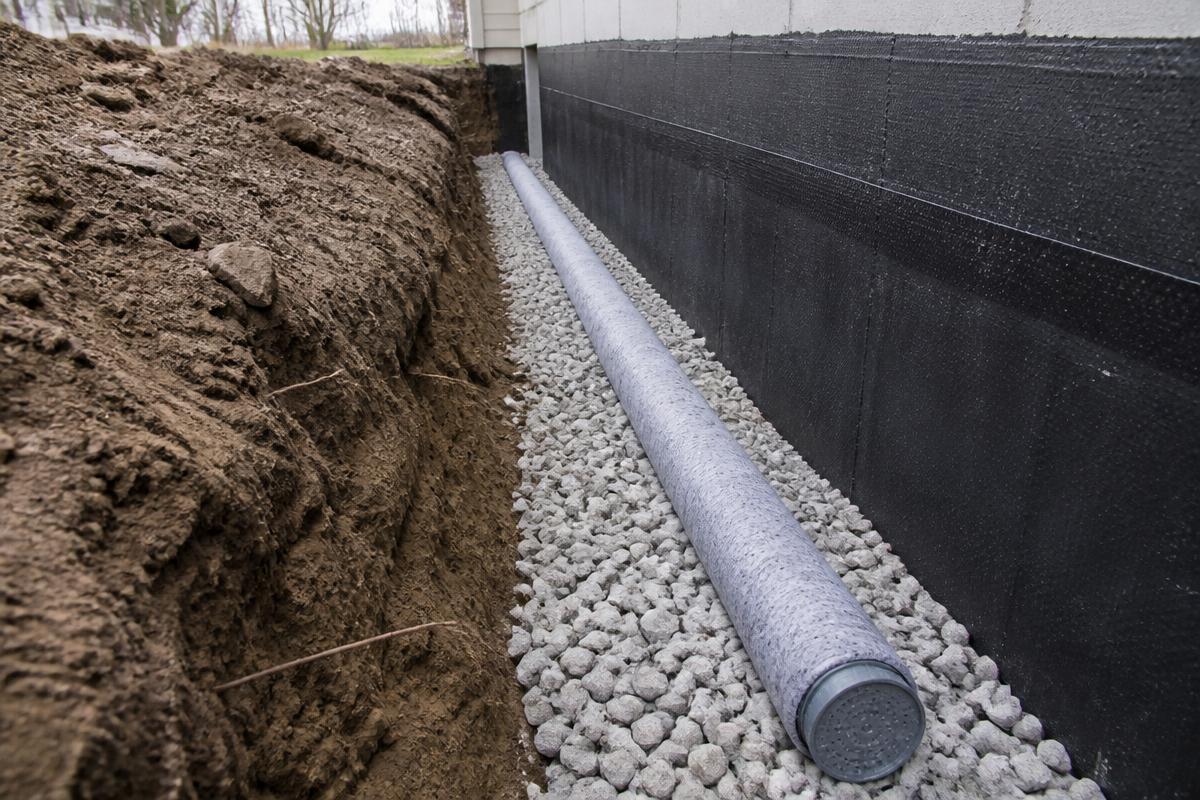 after
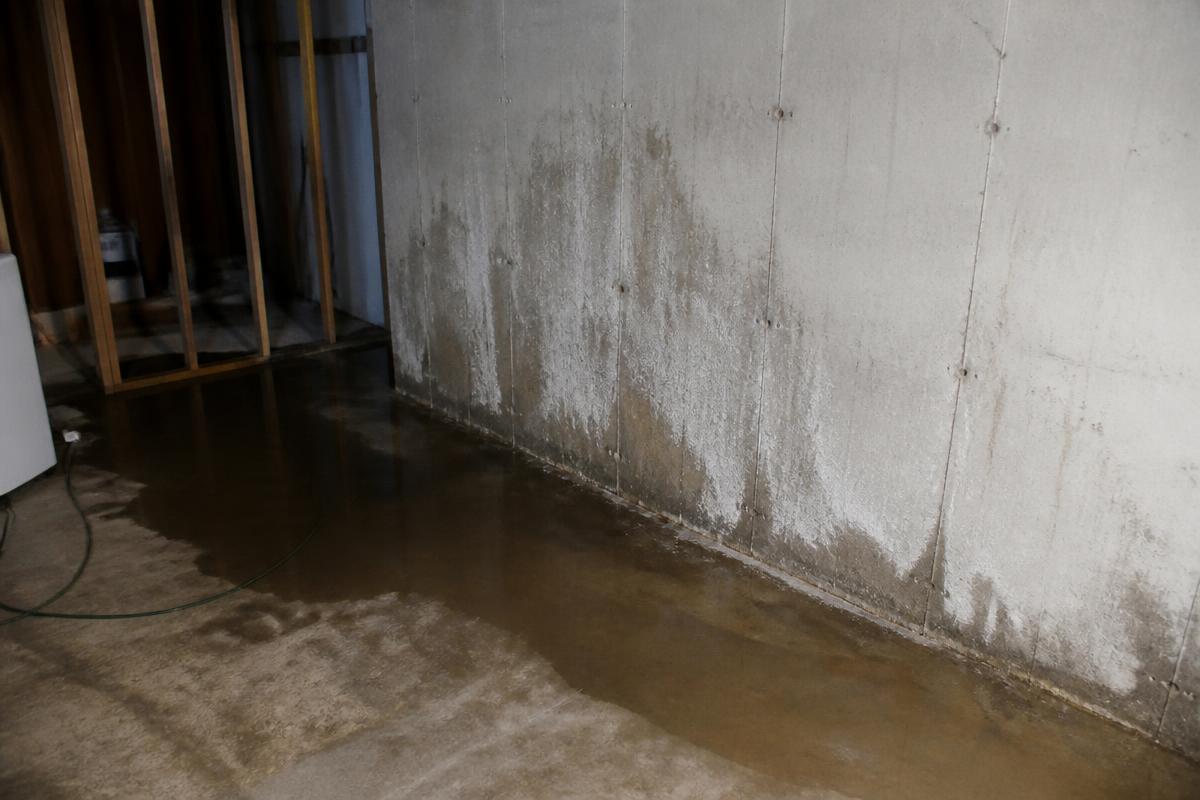 before
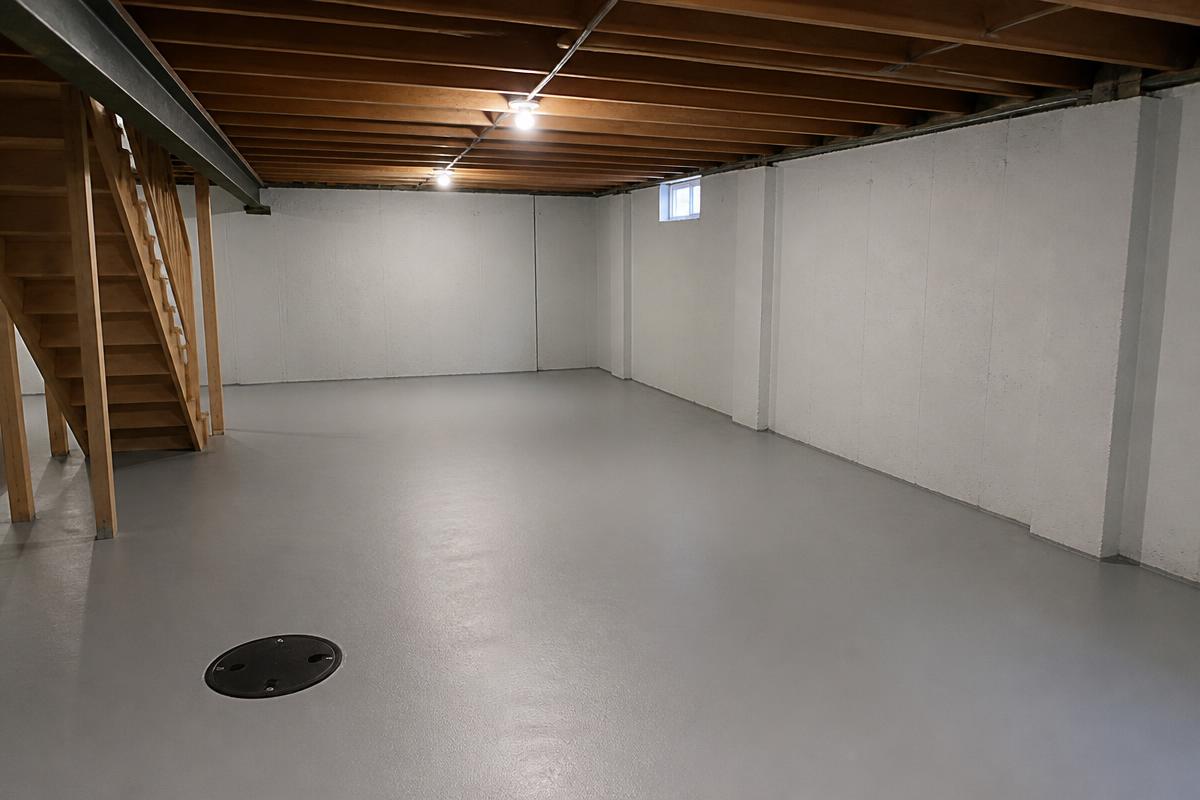 after
How a working drainage system protects a home
Services that solve this
Cracked / Collapsed Drain Tile — quick answer
Cracked or collapsed drain tile is footing drain pipe that has physically failed — broken, offset at the joints or crushed by soil and roots. Cleaning cannot restore it. The camera footage decides the scope: an isolated failure gets a spot repair, while original clay or concrete tile failing in several places is replaced around the full perimeter.
Key facts
- Age and material: Clay and concrete tile laid in short lengths with open joints was never a sealed system. Three to five decades of BC rain, soil movement and root pressure is its practical life.
- Root pressure and soil load: Roots wedge joints apart and heavy soil, vehicles or machinery above crush pipe that has already lost its bedding.
- Settlement and lost fall: As soil consolidates, sections sag and lose their slope. Water stands in the belly, silt drops out, and the pipe blocks permanently.
- DRYHOMEBC covers 14 Lower Mainland and Fraser Valley cities: Vancouver, Burnaby, New Westminster, Richmond, Surrey, Delta, White Rock, Coquitlam, Port Coquitlam, Port Moody, Maple Ridge, Langley, Abbotsford and Chilliwack.
- Quotes are free and carry no obligation.
Cracked / Collapsed Drain Tile FAQs
How do I know if my drain tile is collapsed rather than just blocked?
A camera inspection is the only reliable way. Blocked pipe shows debris in an intact wall; collapsed pipe shows broken edges, soil intrusion, or the camera simply cannot pass. Repeated jetting that fails within weeks is a strong hint.
What does full drain tile replacement cost in Metro Vancouver?
Typically $12,000–$30,000 on a detached home, driven by perimeter length, excavation depth, machine access and how much landscaping, patio or driveway has to be removed and restored. Quotes through DRYHOMEBC are free and carry no obligation, and your request only goes to contractors already working in your city.
How long does a full perimeter replacement take?
Usually three to seven working days for a detached home, depending on access, weather and restoration. Commercial and multi-family buildings are normally phased one elevation at a time.
Request a Free Quote
Tell us what you are seeing and we'll pass your cracked / collapsed drain tile request to contractors serving your area.
- 1. Problem›
- 2. Timing›
- 3. Property›
- 4. Photos›
- 5. Contact
What problem are you experiencing?